


Italian Marble Statue
An italian marble statue brings the weight of classical antiquity and nineteenth-century carving workshops directly into a room.
Italian Marble Statue
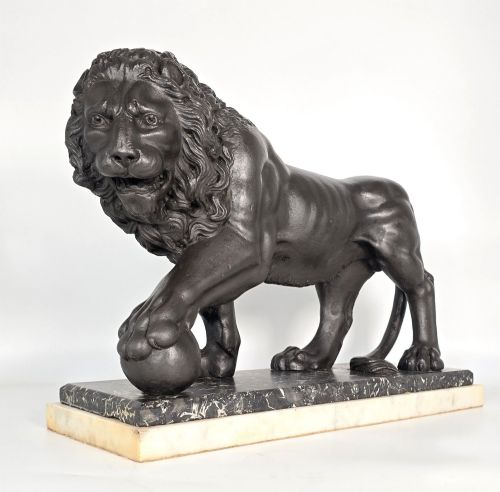
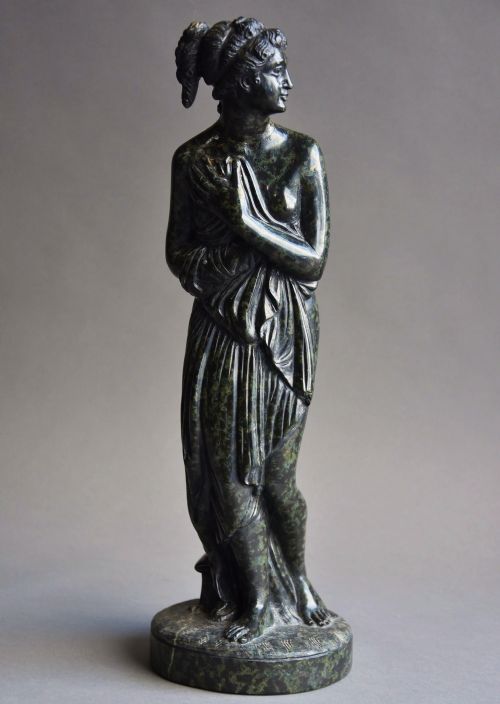
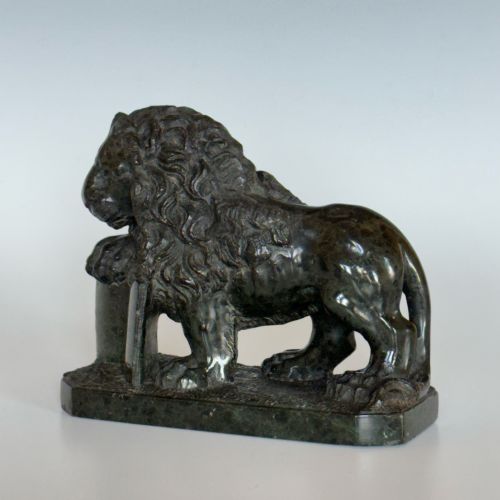
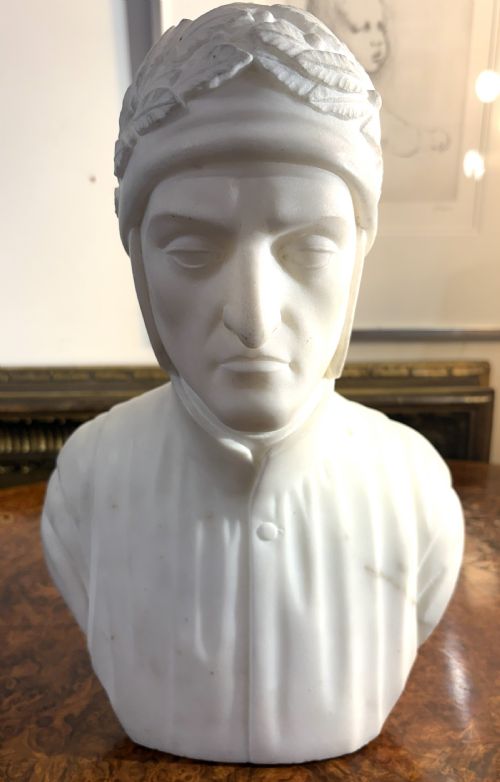
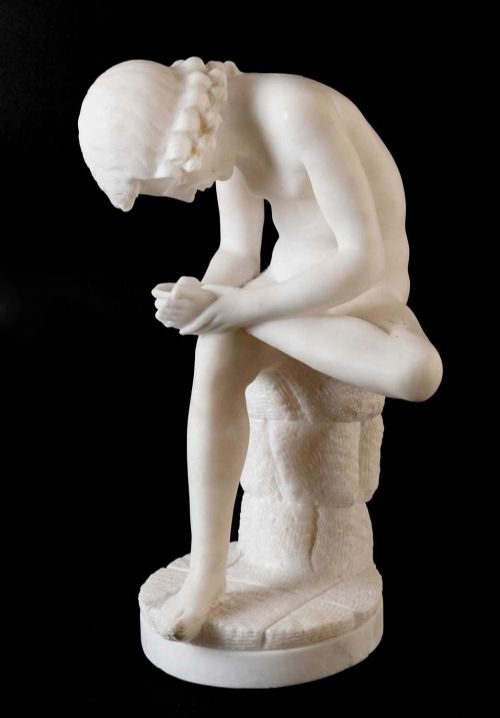
When searching for an italian marble statue, buyers encounter carved interpretations of classical antiquities, mythological figures, and Grand Tour souvenirs that span the nineteenth and early twentieth centuries. These pieces range from small library busts of literary figures and architectural models to monumental garden lions and animalier studies.
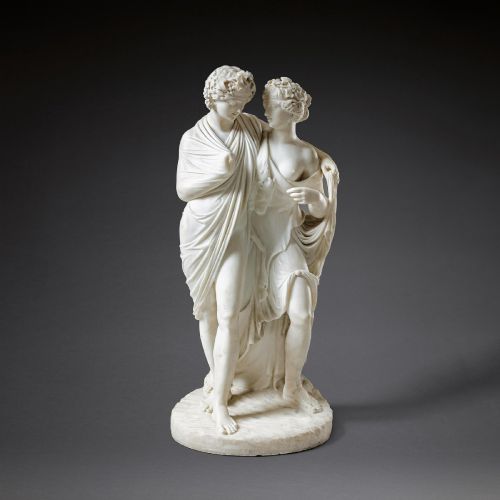
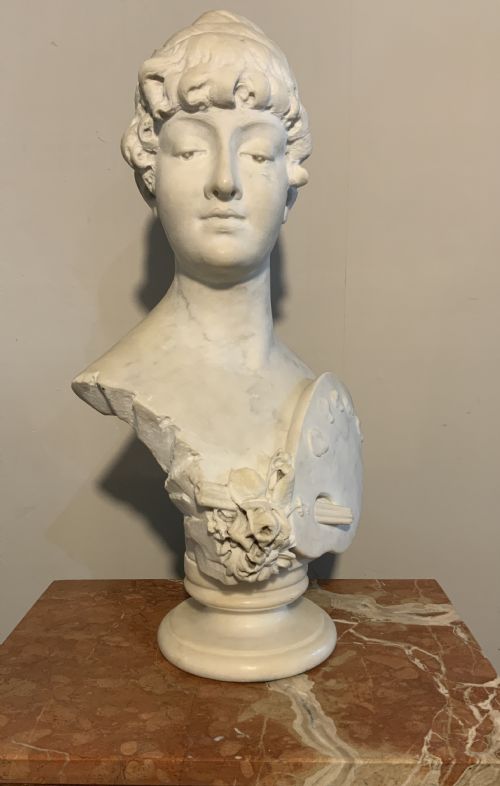
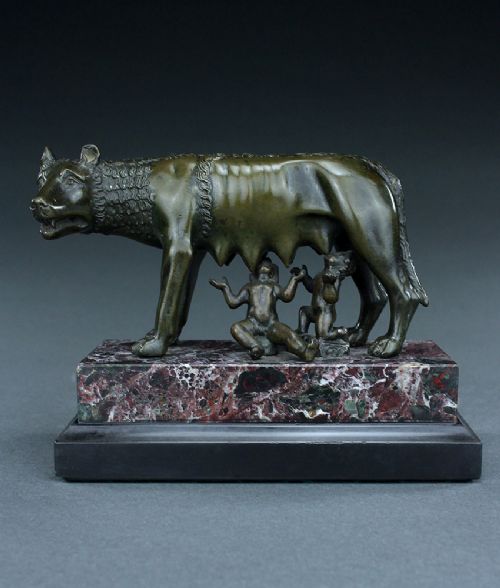
The most common examples on this page belong to the Grand Tour tradition, replicating famous sculptures housed in Italian museums and galleries. Alongside these figural works, buyers find decorative obelisks, mythological groups, and portrait busts carved in Italian studios during the Victorian era and the opening decades of the twentieth century.
Materials and Techniques
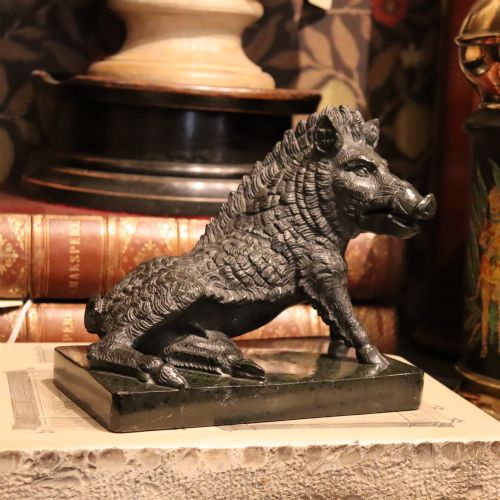
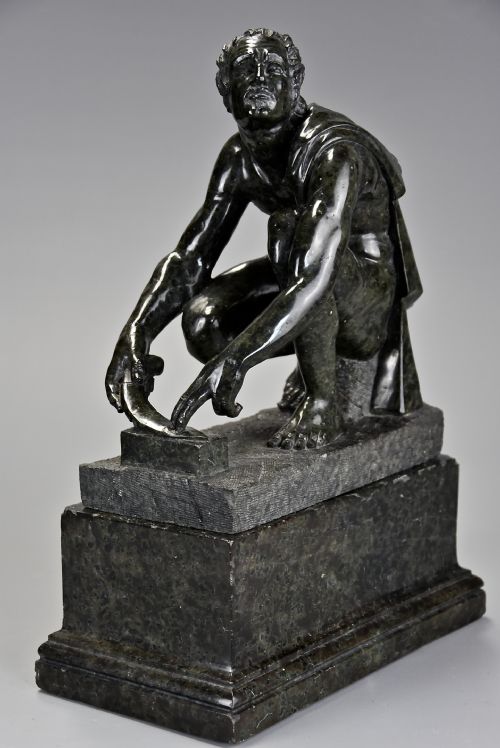
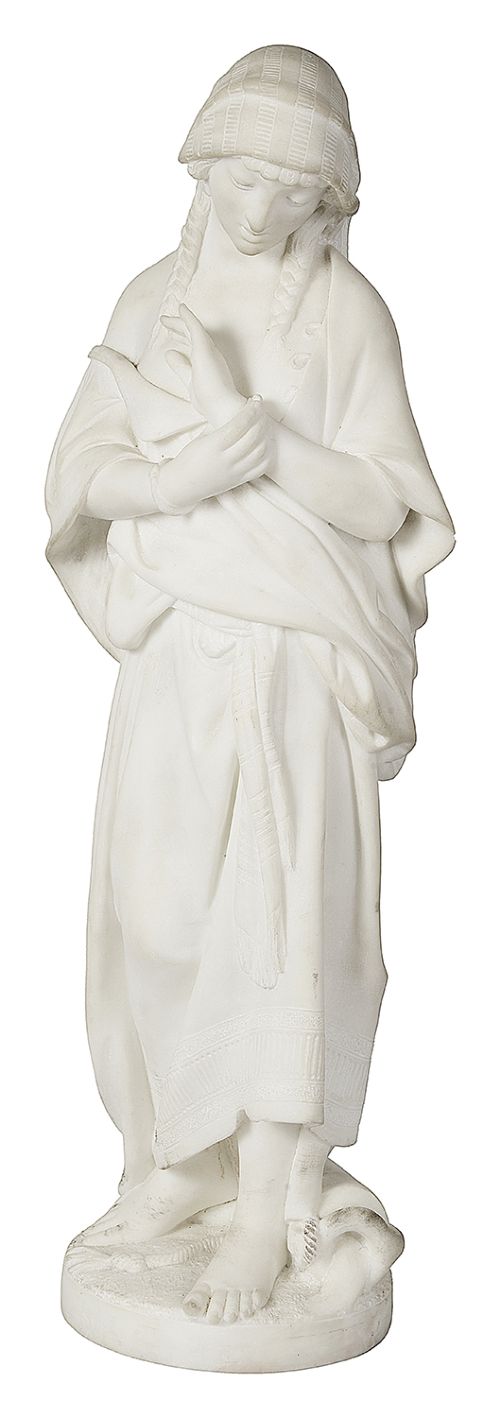
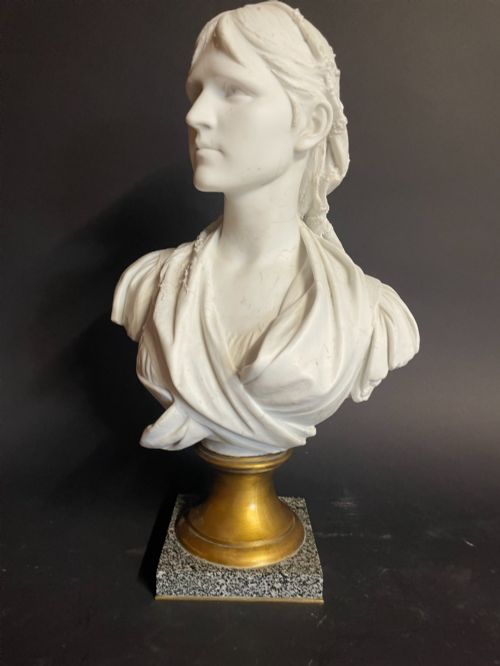
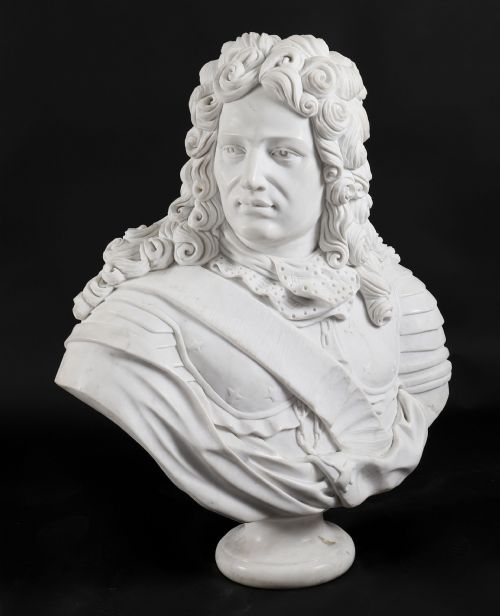
Carvers utilised white marble, veined Carrara marble, and dense green serpentine marble, often mounting figures upon contrasting stone plinths or bases. Alabaster and stone also appear among sculptural forms, while bronze is frequently combined with marble bases in mixed-material Grand Tour studies.
Workshops employed reductive carving techniques to replicate classical antiquity, translating ancient models through hand-chiselled detailing and polished finishes. Signatures and attributions occasionally mark individual studio output, reflecting nineteenth-century Italian realism and classical revival methods.
Listings feature nineteenth and early twentieth-century pieces carved from Carrara marble, alabaster, serpentine marble, and stone, alongside bronze and mixed-media compositions.
Craftsmanship and Execution
The choice of raw stone and the subtlety of its veining dictate the visual impact of the finished sculpture. Finishes range from a high polish that highlights the crystalline structure of the marble to a matte surface that mimics excavated antiquities.
Carlo Albacini·Antonio Canova·Barranti Florence·R. Mattei
The Italian Marble Statue Glossary
- Grand Tour
- A traditional trip undertaken by European upper-class young men to continental Europe, resulting in the acquisition of souvenirs such as marble statues and bronze reductions.
- Carrara marble
- A type of white or blue-grey marble from the city of Carrara in Tuscany, prized since classical times for its purity and soft translucency.
- Serpentine marble
- A green silicate rock resembling the skin of a serpent, frequently utilised by Italian carvers for architectural models and animal figures.
- Neoclassical
- A Western cultural movement inspired by the art and culture of classical antiquity, heavily influencing nineteenth-century Italian sculpture.
- Alabaster
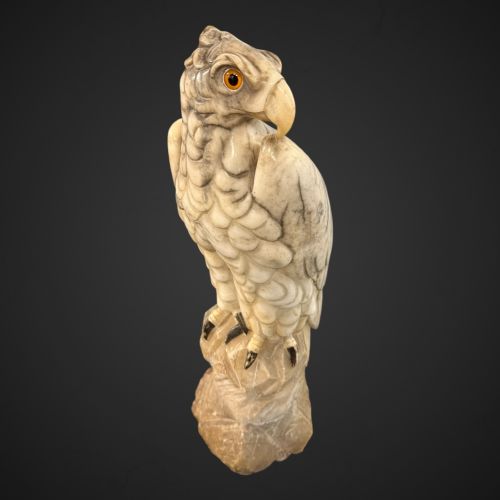
- A fine-grained mineral stone that is easily carved and polished, often utilised for nineteenth-century portrait busts and figural statuettes.
Italian Marble Statue: Frequently Asked Questions
What is a Grand Tour statue?
These pieces were produced in nineteenth-century Italian workshops as souvenirs for travellers touring classical sites and museums.
They faithfully replicated famous ancient sculptures on a scale suitable for display in private European homes and libraries.
How do I identify Carrara marble?
Carrara marble is distinguished by its fine grain and characteristic grey veining running through a white or pale grey ground.
Italian carvers favored this material for its responsiveness to detailed chisel work and smooth polishing.
Where were these statues displayed?
Historically, these figures stood upon library tables, pedestals, and mantelpieces within nineteenth-century drawing rooms and studies.
Larger versions and animalier sculptures were also positioned within gardens, courtyards, and entrance halls.
How should I clean marble sculpture?
Dusting gently with a soft, dry cloth is generally sufficient for maintaining the surface of nineteenth-century carved stone.
Harsh chemical cleaners and excess moisture must be avoided to protect the polish and integrity of the material.