



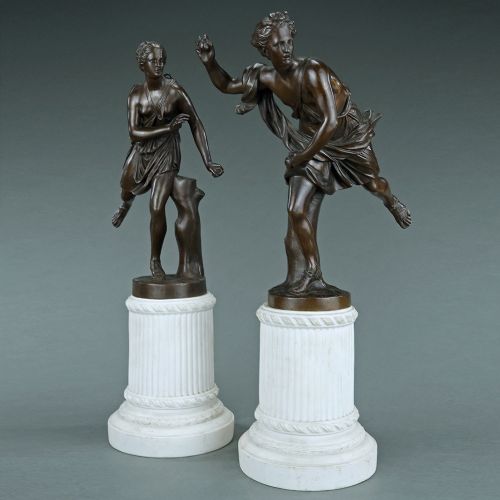
Antique Marble Base
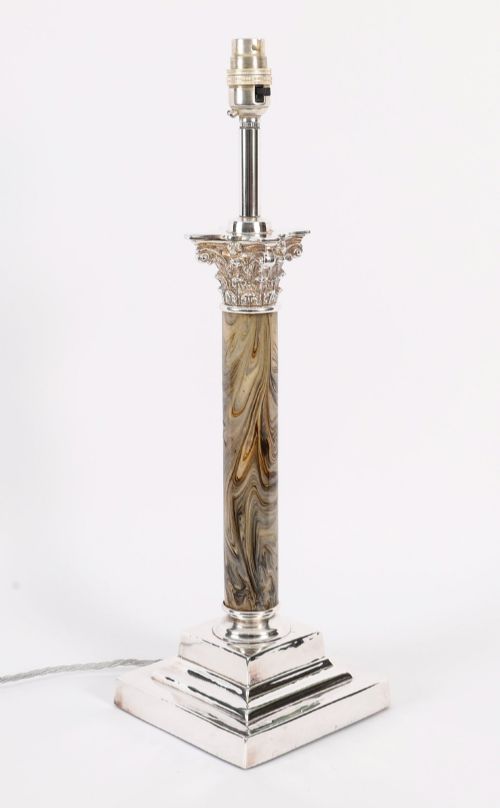
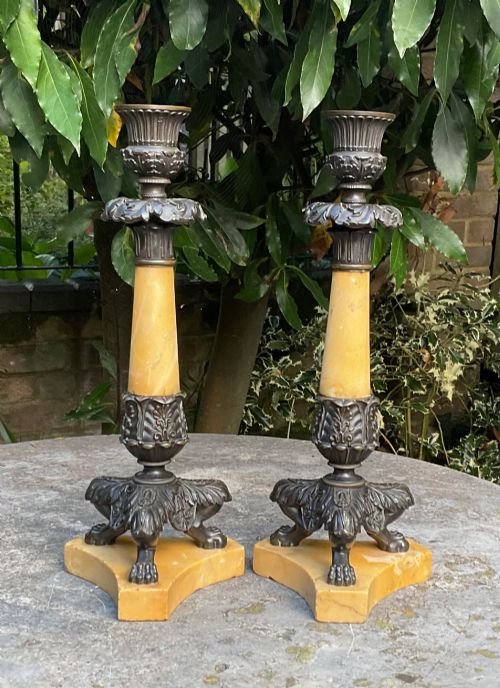
When you search for an antique marble base, you find sculptural supports and mounts that ground bronze figures, clocks, and lamps across the nineteenth and twentieth centuries.
Antique Marble Base
An antique marble base serves as the solid foundation for decorative objects, carrying figures, clocks, lamps, and tazzas through various nineteenth and twentieth-century periods.
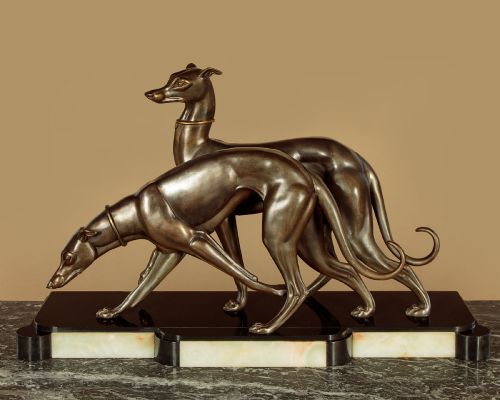
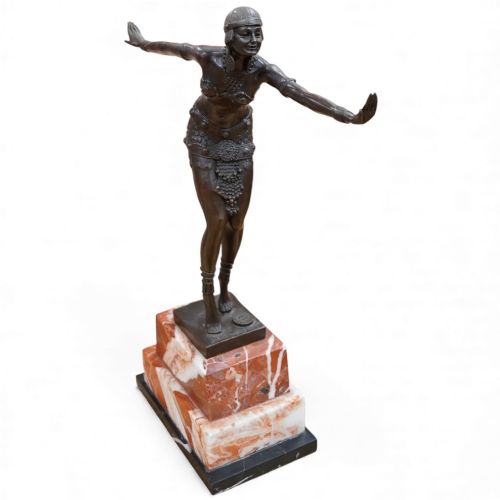
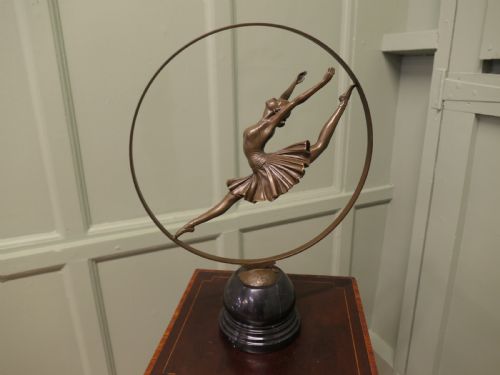
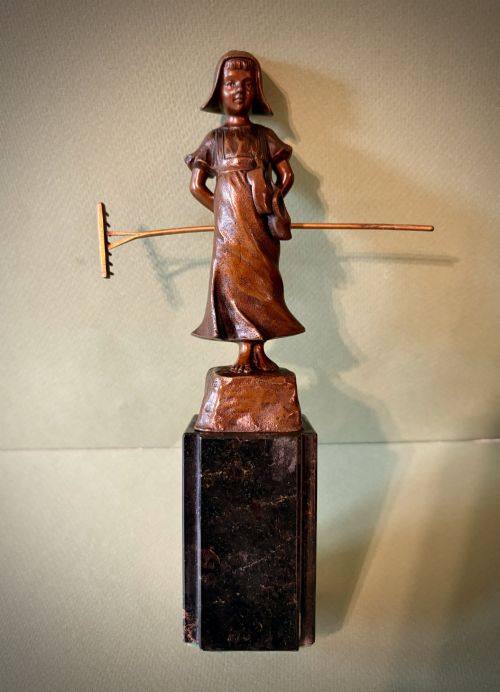
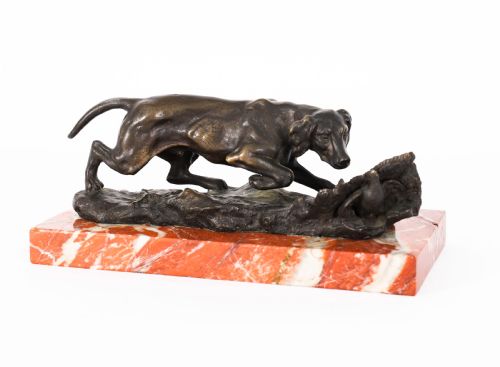
The most common forms on this page pair natural stone plinths with cast bronze sculptures, animalier studies, and classical Grand Tour souvenirs.
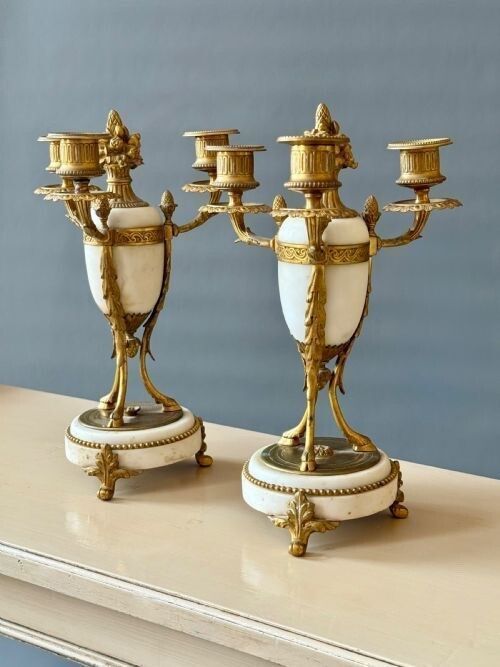
Makers utilised these heavy stone blocks to stabilise upright forms like candlesticks, urns, and desk ornaments, adding substantial weight and visual contrast to the metalwork above.
How they were made
Masons cut and polished natural stone blocks into squares, circles, and stepped plinths, frequently selecting black, rouge, or fossil varieties to frame the metal mounted above.
Foundries cast bronze, gilt bronze, or spelter figures using traditional methods, then pinned or screwed them directly into the drilled stone foundations.
Artisans applied cold painted finishes, patination, or gilt highlights to the metal elements before securing them permanently to their heavy stone pedestals.
Listings feature items from the Victorian era up through the 1940s, spanning Neoclassical, Art Deco, and French Empire styles.
What varies in quality
The quality of an antique marble base depends on the selection of the stone itself, ranging from plain black blocks to highly-figured alabastro egiziano and sienna varieties.
Fine examples show meticulous precision in the turning, polishing, and corner bevelling of the stone, alongside crisp chasing on any attached bronze mounts.
Superior pieces maintain a balanced proportion between the weight of the stone foundation and the height of the sculpture or lamp mounted upon it.
Carl Kauba·Barbedienne·Bruno Zach·Pierre le Faguays·Ferdinand Preiss·Hans Müller·August Moreau·R Varnier
The Antique Marble Base Glossary
- Grand Tour
- A nineteenth-century travel tradition where wealthy tourists acquired miniature bronzes and carved stone souvenirs in Italy. These smaller-scale items were frequently mounted onto contrasting stone blocks.
- Ormolu
- Finely ground high-carat gold applied to a bronze base metal through a mercury amalgamation process. This technique gives decorative mounts and clock cases a warm, enduring finish.
- Animalier
- A nineteenth-century sculptural style focused on realistic depictions of animals in natural poses. These bronzes are almost universally anchored to heavy stone or marble plinths.
- Spelter
- A zinc alloy used as a less expensive alternative to bronze for sculptural figures. It is often given a bronze-like metallic coating before being secured to stone bases.
- Tazza
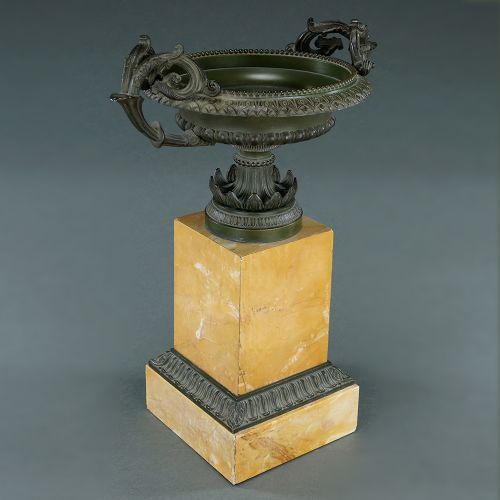
- A shallow ornamental cup or bowl raised on a stem and a foot. In these listings, they frequently appear as paired decorative objects resting upon solid stone pedestals.
Antique Marble Base: Frequently Asked Questions
How do I clean an antique marble base?
Dust the stone surface gently with a dry, soft cloth to remove everyday particles. Avoid acidic cleaners, vinegar, or harsh chemicals that can etch or dull the polished finish.
For stubborn marks, use a damp cloth with a tiny amount of neutral soap, then dry the stone thoroughly immediately afterwards.
How can I tell the period of the stone?
Nineteenth-century stone plinths often display hand-finished bevelling, slight surface irregularities, and older mounting screws underneath. Examining the underside reveals the age of the fixings and the type of material used for the core.
Comparing the style of the stone cutting to dated bronze figures mounted on top helps confirm the overall era.
Are these pieces suitable for daily use?
These decorative objects function well as table lamps, desk accessories, or mantel ornaments within a domestic setting. Their considerable weight provides natural stability on sturdy sideboards or tables.
Place them away from high-traffic edges and direct heat sources to protect both the stone foundation and any patinated metalwork above.