




Turn of Century Carving
Turn of century carving spans oak and walnut pieces from the Victorian and Edwardian eras, bringing solid timber craftsmanship into domestic spaces.
Turn of Century Carving
Turn of century carving encompasses items produced around the transition from the nineteenth to the twentieth century, bridging Victorian solidity and Edwardian design. Oak and mahogany dominate these functional forms, which range from side tables and dining sets to occasional furniture.
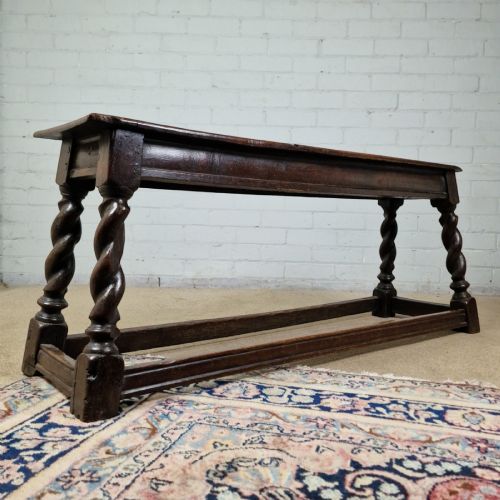
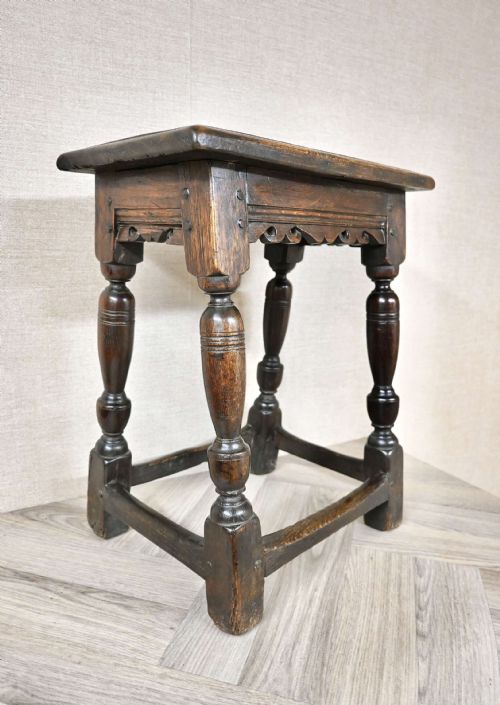
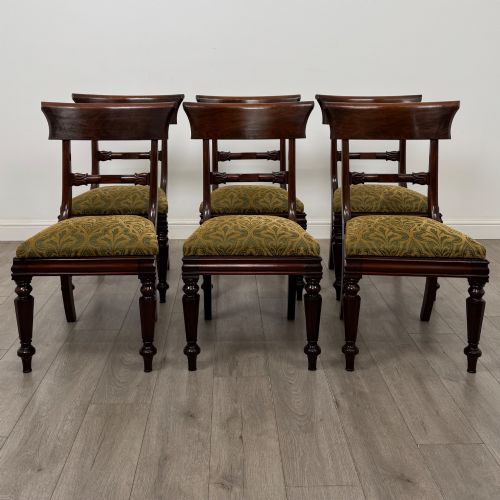
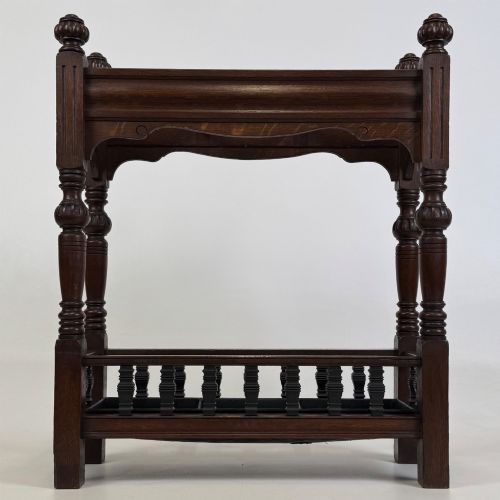
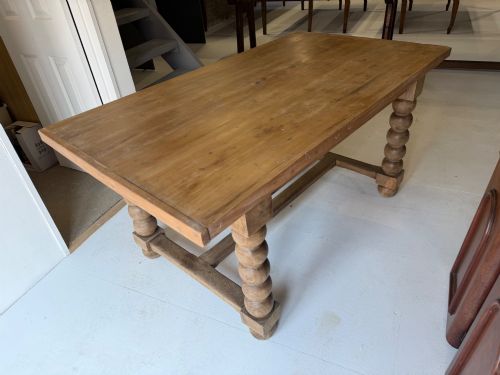
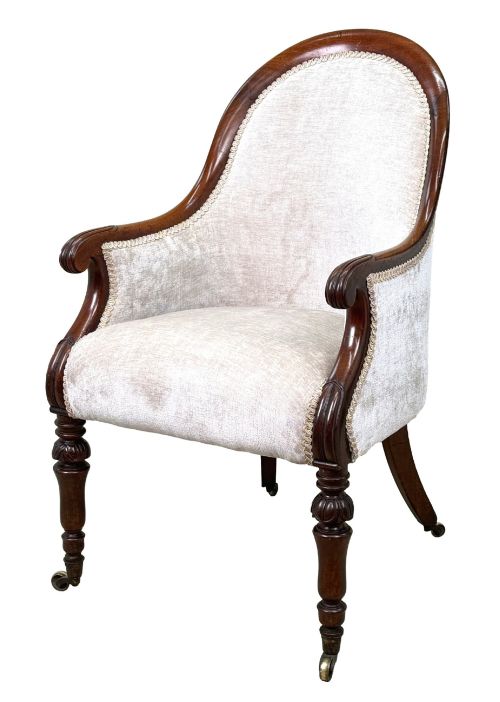
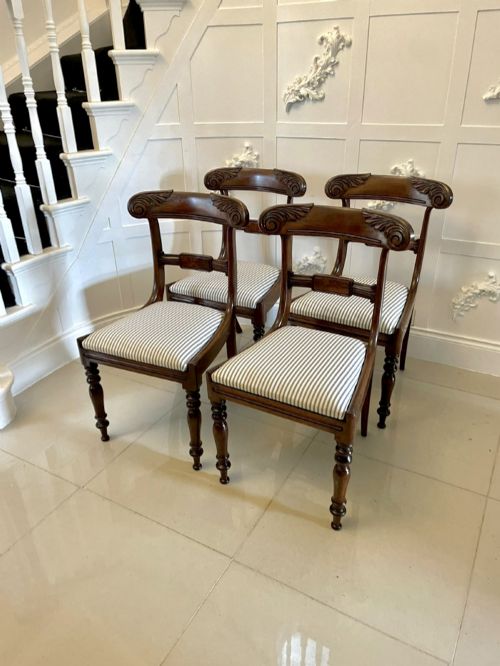
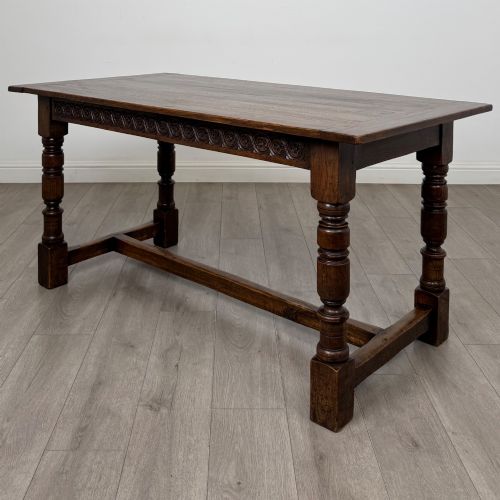
The pieces meeting this search phrase frequently display surface decoration reflecting historical revivals, particularly Jacobean influences on sturdy oak frames. Dining tables, chairs, and occasional furniture from this period combine utilitarian purpose with decorative timber work.
What varies in quality
The depth and crispness of the hand carving separate standard production items from superior examples. Skilled execution in floral or geometric motifs produces sharp relief that retains definition across the timber surface.
Selection of timber grain and the integrity of the underlying construction define the upper tier of the range. Solid wood construction without excessive veneer substitution indicates higher workshop standards.
Turn-of-the-century craftsmen occasionally carved miniature grimacing faces into the hidden underside joints of tables, just for the floorboards to admire.
The Turn of Century Carving Glossary
- Jacobean Revival
- A nineteenth and early twentieth-century style imitating seventeenth-century English furniture. It employs heavy oak proportions, geometric paneling, and deep chisel work.
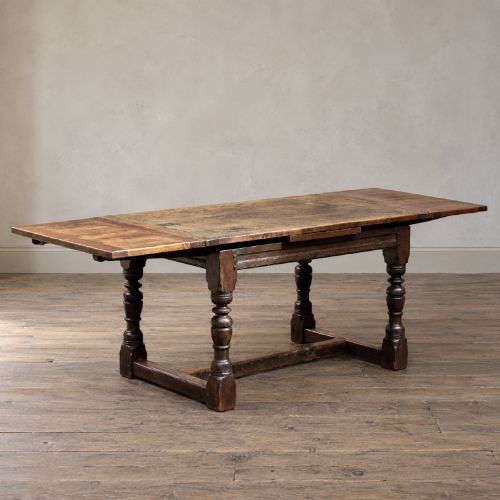
- Draw Leaf Extending Dining Table
- A table with pull-out leaves stored beneath the main top. This mechanism expands the surface area while maintaining stability.
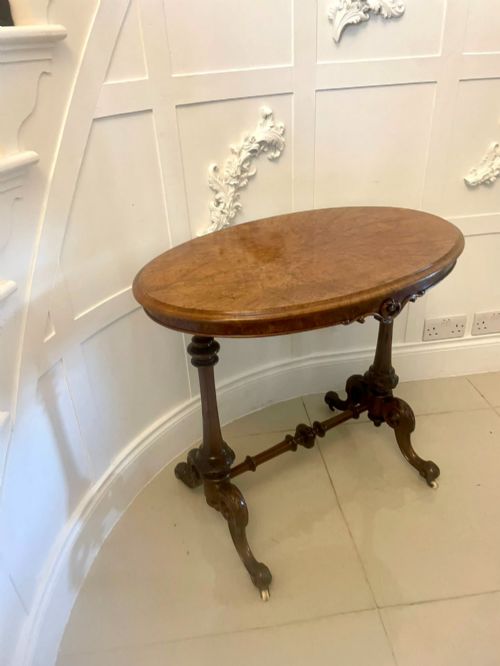
- Burr Walnut
- Wood harvested from walnut tree growths displaying swirling grain patterns. It is typically applied as a decorative veneer on tabletops and cabinet fronts.
- Torchere
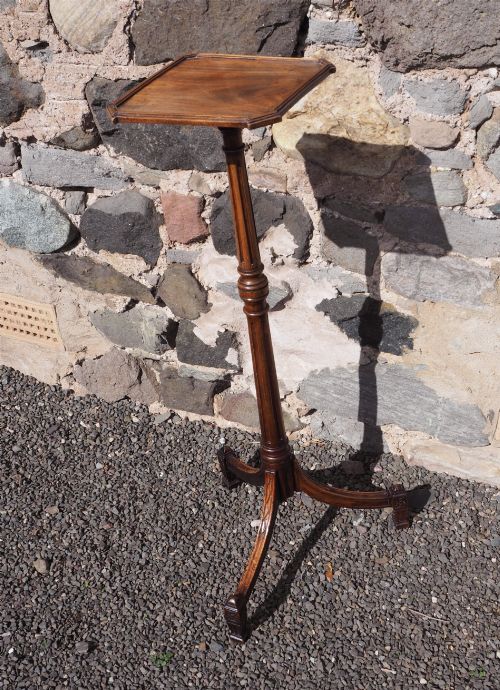
- A tall decorative stand designed to support a candle holder or lamp. Eighteenth and nineteenth-century examples often feature slender turned columns.
- Treen
- Small handmade wooden domestic objects. Examples include spice grinders and utility items shaped from sycamore or boxwood.
Turn of Century Carving: Frequently Asked Questions
How do I date turn of century carving?
Dating relies on combining stylistic markers with timber selection and construction methods. Pieces often blend Victorian mass with Edwardian lightness.
Examine the secondary woods and joinery marks underneath or inside the piece for clues to its exact manufacturing period.
What rooms suit these carved tables?
Sturdy oak and walnut tables fit dining rooms, libraries, and hallways as functional surface areas. Their dark timbers anchor brighter interiors.
Pair side tables and lamp tables with neutral walls to let the carved details stand out without visual clutter.
How should I clean carved oak?
Dust intricate carvings regularly with a soft brush to prevent grime accumulation in the recesses. Avoid heavy silicone polishes that build up over time.
Apply a microcrystalline wax occasionally to nourish the timber and maintain a soft sheen on the carved surfaces.
Are these items suitable for daily use?
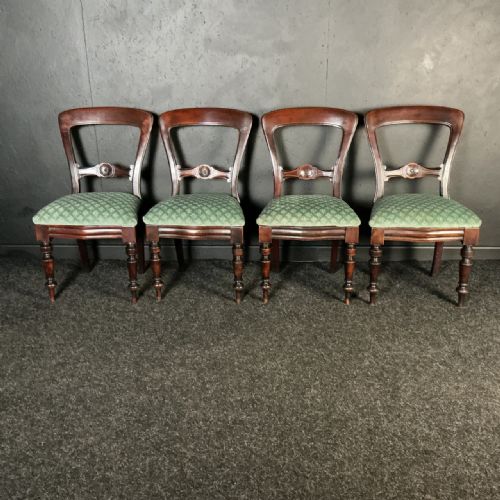
Solid construction in oak and mahogany makes these chairs and tables robust enough for regular domestic activity. Their original purpose was practical daily service.
Protect surfaces from moisture rings and direct heat to preserve the polish and prevent timber movement.