
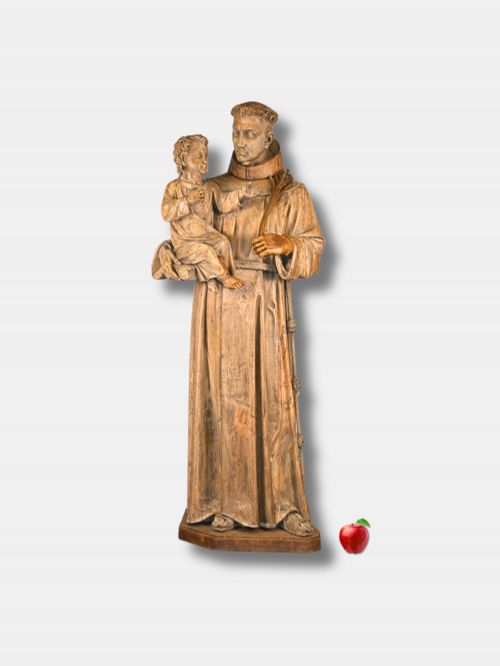

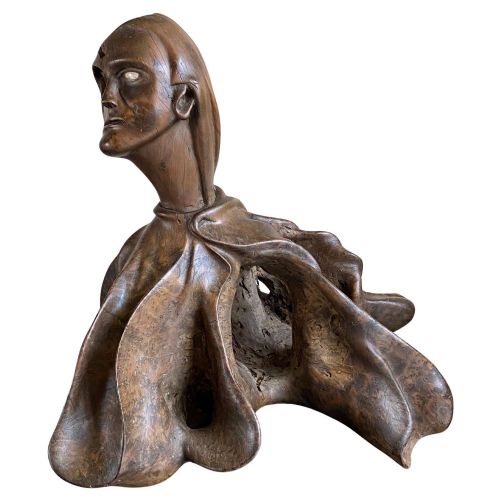


Life Size Wooden Figure
These life size wooden figure pieces range from carved saints to artist mannequins, offering striking presence and historical weight for any interior.
Life Size Wooden Figure
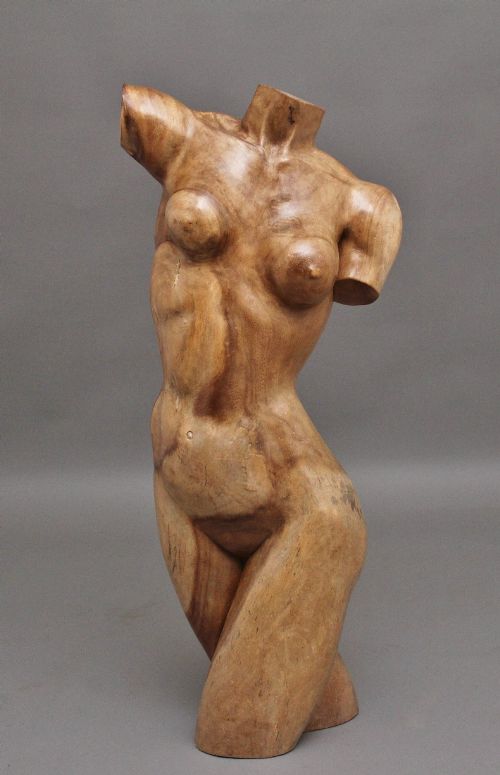
When you search for a life size wooden figure, you enter a diverse field spanning religious statuary, folk art, and artist mannequins. These sculptures command a room through their sheer scale and physical presence.
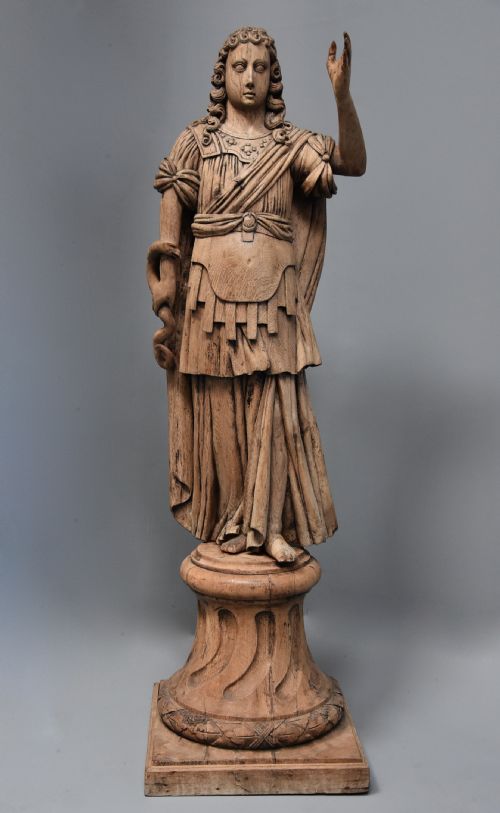
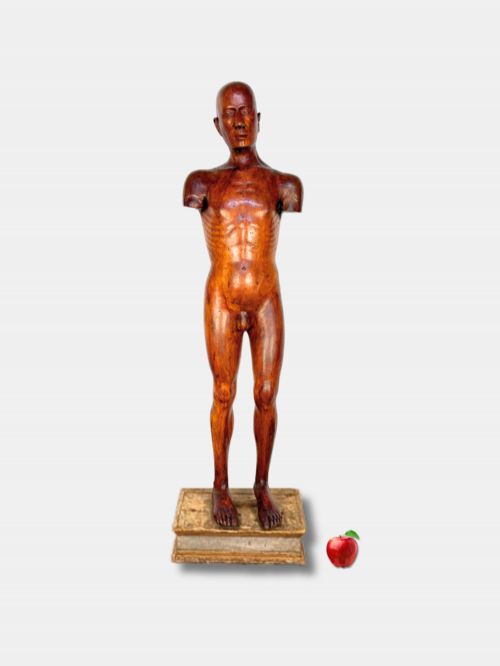
Religious figures from the eighteenth century, including Continental and French pieces, frequently depict saints or Christ with carved detail and paint remnants. Artist mannequins and lay figures utilise articulation for studios and display.
The material range runs from oak and hardwood to yew burr and painted timber. Each piece reflects the functional or devotional purpose of its original period.
How they were made
Makers shaped these sculptures from solid timber blocks, employing hand chisels and gouges to define anatomy, drapery, and form. Oak, yew burr, and general hardwoods provided the structural foundation for both figurative and animal subjects.
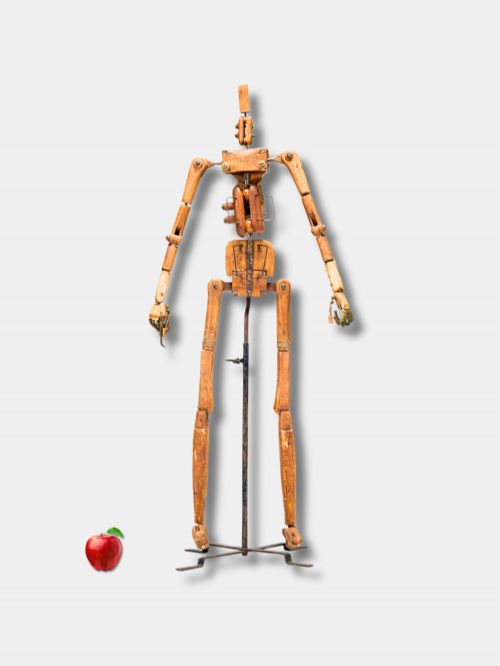
Many surfaces received layers of paint, gesso, or polish to enhance realism and protect the wood. Articulated examples incorporated internal joints and metal or brass pins to allow movement in the limbs.
Even a wooden horse and an Indian goat occasionally join the human saints and cricketers on parade.
What varies in quality
The ambition of the carving defines the upper tier of these sculptures, where anatomical accuracy or expressive folk styling shows complete mastery. Surface patination and the survival of original paint layers add significant character.
Simpler workshop pieces or later decorative items display less refinement in the joints and surface finish. The integration of mechanical joints in lay figures also separates standard production from superior craftsmanship.
Francois-pierre Guillois
The Life Size Wooden Figure Glossary
- Lay figure
- An articulated wooden model used by artists to arrange drapery and study human anatomy. These figures feature jointed limbs held by wooden or metal pins.
- Santos
- A carved wooden religious figure representing a saint or sacred personage, originating from European church and domestic devotional contexts. They often retain traces of polychrome paint.
- Yew burr
- A timber growth showing intricate, swirling grain patterns highly prized for decorative turned and carved objects. It yields a rich texture across sculptural surfaces.
- Polychrome
- Painted in several colours, frequently applied over gesso on religious carvings to create lifelike skin tones and garments. The survival of this layer determines the visual impact.
- Articulated
- Built with movable joints at the shoulders, elbows, hips, and knees. This mechanical complexity allowed artists to pose the wooden figure accurately.
Life Size Wooden Figure: Frequently Asked Questions
How do I clean a wooden figure?
Dust the surface gently with a soft, dry brush to remove settled particles without disturbing the wood or paint. Avoid wet cloths, harsh cleaning agents, or modern polishes that can damage historic finishes.
Keep the piece away from direct sunlight and sudden temperature shifts to prevent the timber from splitting or warping over time.
Are these figures stable to display?
Most life size wooden figure pieces require careful placement on a secure, level floor or sturdy stand. Heavier items often include original plinths or bases to support their weight safely.
Check that articulated limbs or projecting elements are balanced correctly so the sculpture remains steady in its environment.
How do I date a wooden sculpture?
Examine the tool marks left on the wood, the choice of timber, and the style of the carving or clothing. Eighteenth-century Continental pieces differ markedly in posture and dress from early twentieth-century modernism.
Look for construction methods in the joints and the composition of any remaining paint or surface finish to confirm the period.