


Carved Wooden Plinth Sculpture
A carved wooden plinth sculpture elevates an object or space with three-dimensional form and rich timber texture.
Carved Wooden Plinth Sculpture
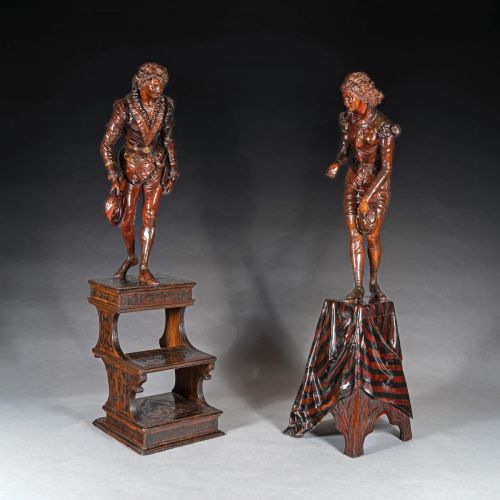
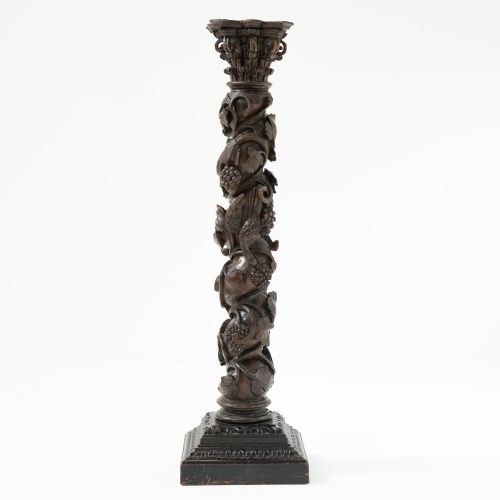
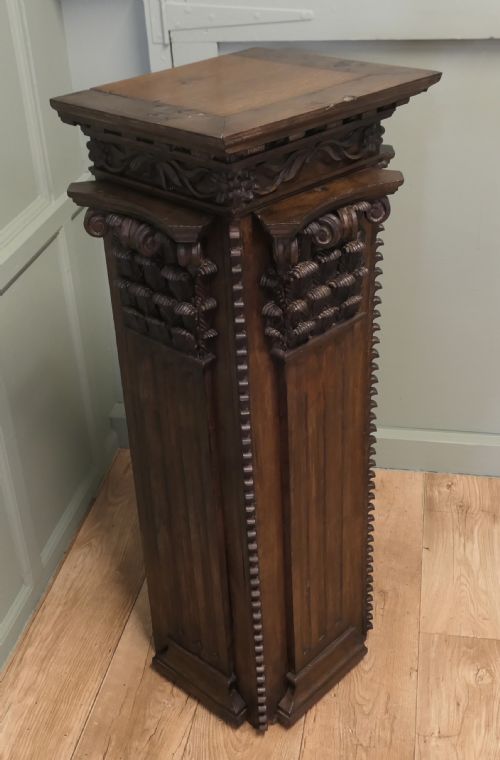
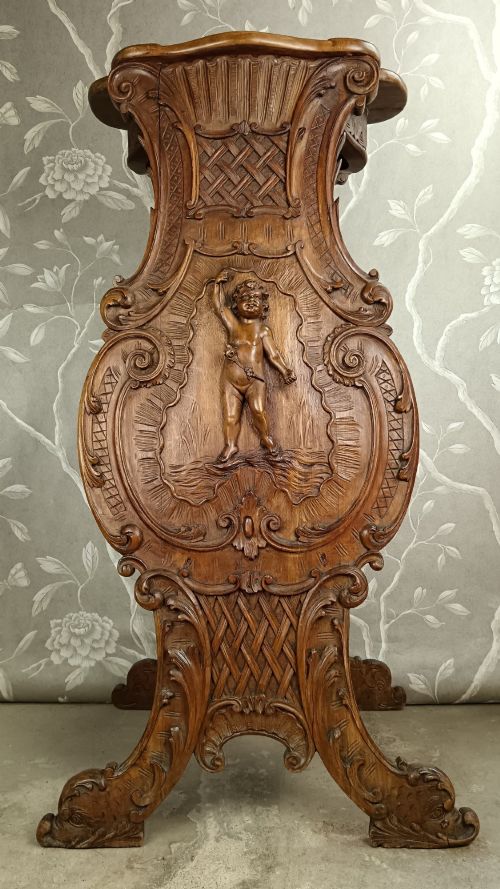
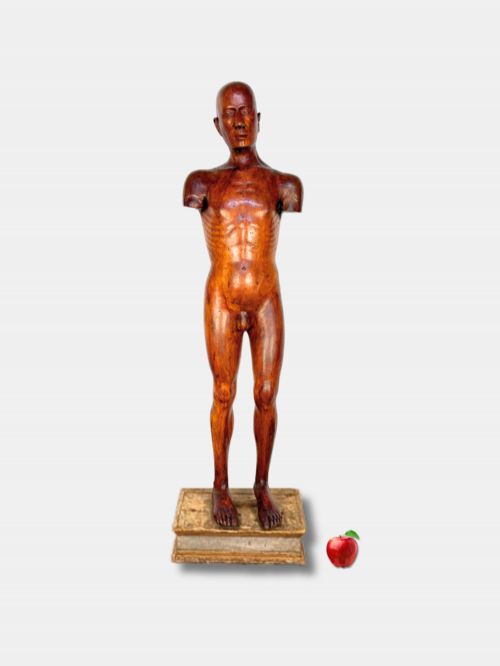
A carved wooden plinth sculpture combines structural support with sculptural presence, functioning as a display pedestal, column, or figured base. These pieces range from seventeenth-century oak figures and solomonic columns to nineteenth-century mahogany stands and walnut pedestals.
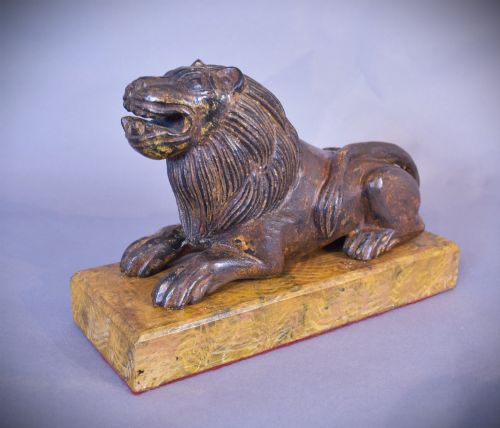
The most frequent examples on this page are nineteenth-century pedestals and classical columns executed in mahogany, oak, or walnut. Many incorporate architectural details, figures, or animal forms such as lions and griffins integrated directly into the wooden structure.
Materials and construction methods
Craftsmen built these supports primarily using dense timbers like mahogany, oak, walnut, and birch, often applying gesso, paint, gold leaf, or polychrome decoration to the surface. Structural elements involve traditional joinery, turning on lathes, and detailed hand-carving.
Finishes vary from natural polished grain to grain-painted pine, stained birch, and gilt surfaces. Decorative flourishes include ormolu mounts and intricate relief work characteristic of Baroque, Neoclassical, and Renaissance revival styles.
A selection of pieces include secret compartments, hiding private treasures inside otherwise stern architectural columns.
Assessing quality in carved wooden pedestals
Quality rests upon the crispness of the hand-carving and the choice of timber, distinguishing master workshop output from simpler utility stands. Depth of relief, proportion, and the integration of figural elements like lions or human figures determine the visual weight and authority of the piece.
The sophistication of the surface finish also divides the range, where finely applied gold leaf, polychrome paint, or polished amboyna and ebony veneers elevate a functional support into a work of art.
The Carved Wooden Plinth Sculpture Glossary
- Solomonic column
- A twisted, helical shaft resembling a spiral vine, popular in seventeenth and eighteenth-century furniture and architectural supports. This form adds dynamic movement to a vertical stand.
- Torchere
- A tall ornamental stand originally designed to hold a torch or candle, later adapted as a lamp or sculpture base. These slender supports often feature circular tops and decorative stems.
- Gesso
- A plaster-like mixture applied to wood as a smooth base for painting or gilding. It provides a crisp ground for fine surface decoration.
- Polychrome
- Painted or decorated in several colours. This treatment appears frequently on early wooden figures and ornamental bases.
- Triform
- Having three sides or a three-legged base. Triform pedestals offer stable floor support with distinct architectural geometry.
Carved Wooden Plinth Sculpture: Frequently Asked Questions
What were carved wooden plinth sculptures used for?
These pieces served primarily to elevate busts, figures, vases, or lighting within domestic and institutional interiors. They provided a secure display platform while adding architectural dignity to a room.
In grander settings, monumental columns and figural bases acted as standalone sculptural artworks in their own right, framing specific views or anchoring corners.
How do I style a pedestal in a modern room?
Place a single column or plinth in an empty corner to draw the eye upward and break up plain wall expanses. Keep the object placed on top proportionate to the top surface.
Pairing a dark mahogany or walnut stand against neutral walls lets the timber grain and carved details stand out clearly without cluttering the floor space.
How can I tell an eighteenth-century column from a nineteenth-century copy?
Examine the timber selection, tool marks left by hand chisels, and the composition of joints beneath the surface. Eighteenth-century pieces frequently employ native oaks and pines alongside dense walnuts with hand-forged fixings.
Nineteenth-century revival pieces often display machine assistance in turning combined with heavier Victorian finishes, amboyna veneers, or standardised decorative mounts.