





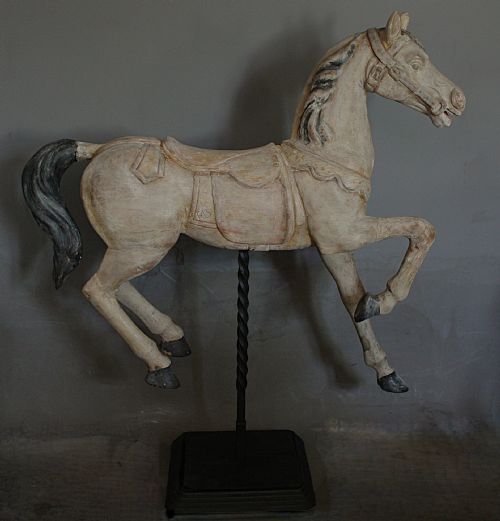


Painted Timber Sculpture
These painted timber sculpture pieces range from folk art decoys to baroque figures, offering carved and pigmented forms that suit rustic interiors.
Painted Timber Sculpture
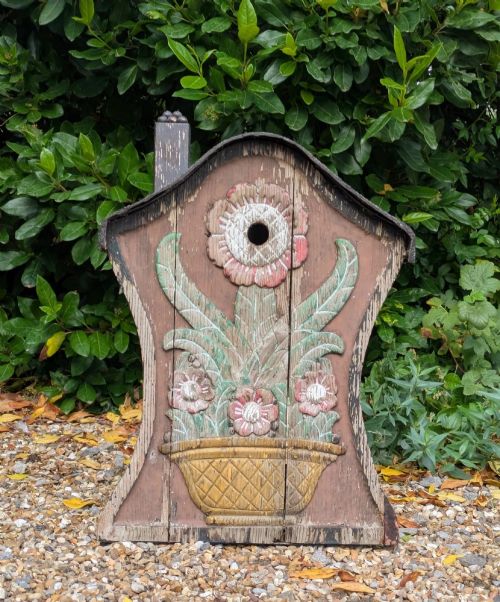
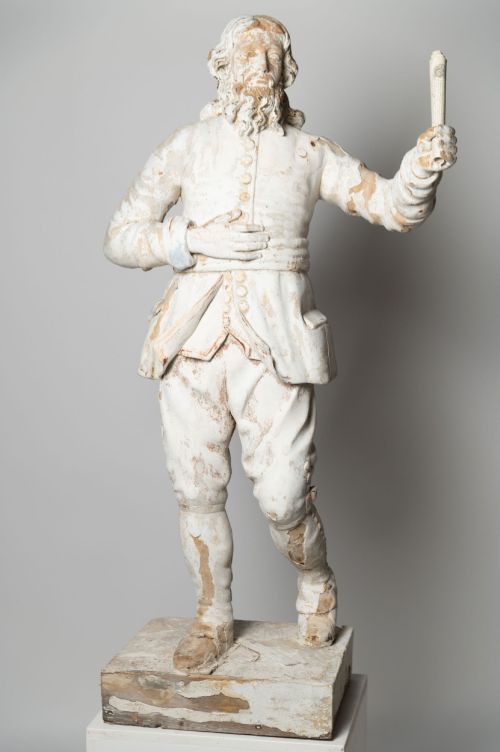
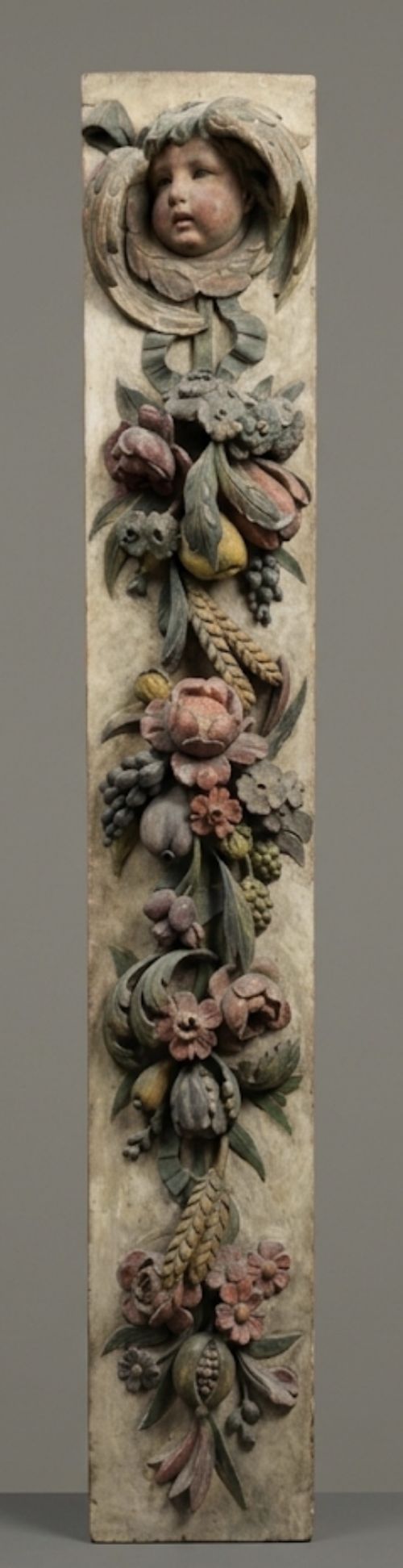
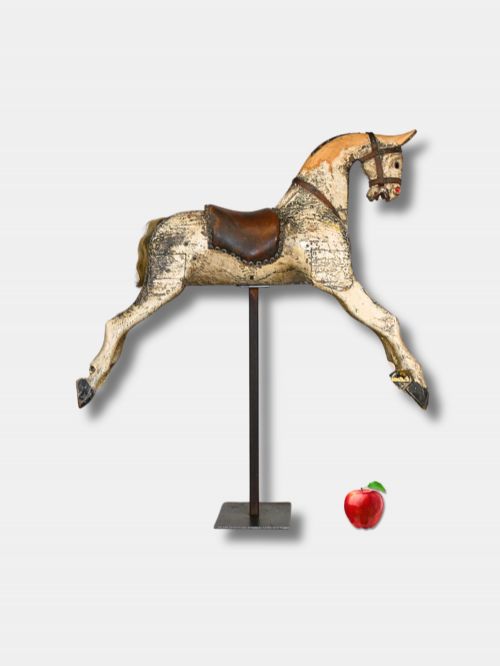
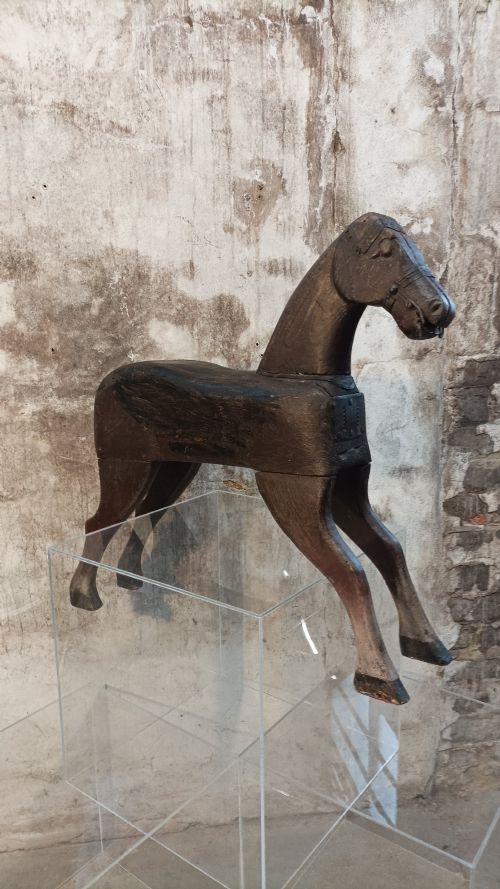
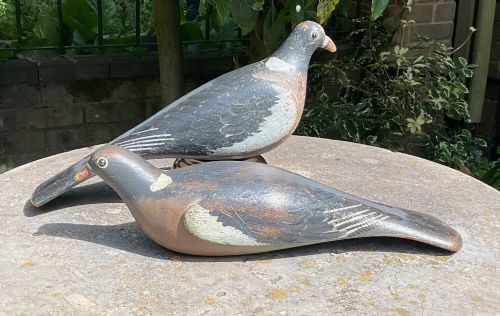
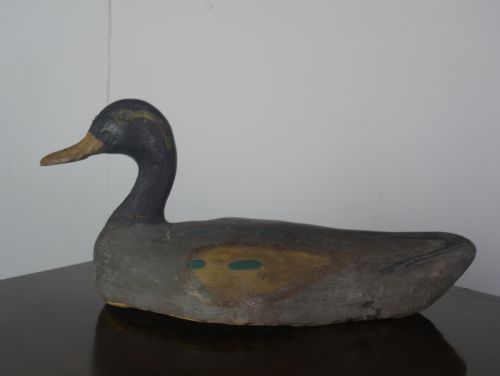
When you search for painted timber sculpture, you encounter carved wooden objects finished with pigment, paint, gesso, or polychrome decoration. The selection spans utilitarian items like decoy ducks and pigeons alongside religious figures, fairground horses, and architectural fragments.
Most pieces date from the eighteenth, nineteenth, and early twentieth centuries, reflecting diverse traditions including English, Scandinavian, and Alpine folk art. Domestic decoy carvings and rustic animal figures appear frequently alongside more formal European and Asian religious carvings.
How they were made
Craftsmen carved these sculptures from native timbers like pine and fruitwoods using hand gouges and chisels. Many pieces received an initial layer of gesso or preparation coat to smooth the wood grain before the application of oil or distemper paint.
Surfaces often show multiple layers of historic pigment or polychrome paint, applied either for decorative appeal or practical camouflage in the case of sporting decoys. Iron brackets or structural braces occasionally provide internal support for larger figures and architectural panels.
What varies in quality
Quality rests primarily in the vigour of the initial carving and the integrity of the original paint surface. Bold, confident tool work distinguishes superior artisanal pieces from more mechanical or repetitive workshop productions.
The preservation of untouched historic pigment elevates certain examples above those with later overpainting or heavy restoration. Surviving surface wear, honest patination, and clear stylistic attribution set the finer items apart.
Bayol
The Painted Timber Sculpture Glossary
- Polychrome
- Painted in several colours. This term frequently describes medieval or eighteenth-century religious carvings retaining their original tinted pigments.
- Gesso
- A plaster mixture applied to wood surfaces as a base for paint. It creates a smooth ground for delicate detail work on decorative panels and figures.
- Decoy
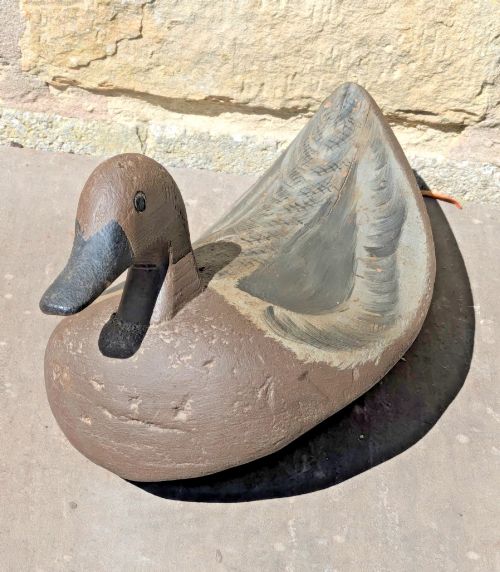
- A carved wooden bird or animal used in hunting. These working objects form a major category of folk art sculpture.
- Folk art
- Utilitarian or decorative objects made by self-taught or traditional craftsmen. The style prioritises expressive form over strict academic proportions.
Painted Timber Sculpture: Frequently Asked Questions
What are antique wooden decoys?
Decoys are carved wooden birds or animals originally utilised by hunters to attract waterfowl or pigeons in the field. Makers shaped pine and other timbers by hand before applying practical camouflage paints.
Today these working objects are collected as quintessential examples of vernacular folk art sculpture. Their surfaces often display appealing patination accumulated from outdoor use.
How do I date painted wooden carvings?
Dating relies on examining the tool marks left by the carver, the wood species utilised, and the chemical composition of the paint layers. Eighteenth-century pieces typically feature hand-adzed timber and distemper or early oil paints.
Later nineteenth and twentieth-century examples often incorporate machine-sawn components and standard commercial pigments. Comparing the style of the carving with dated regional comparables aids further attribution.
Are these sculptures suitable for daily display?
These pieces integrate easily into domestic interiors on tabletops, shelves, or dedicated pedestals. Their robust timber construction makes them stable for standard interior placement.
Owners should keep them away from direct sunlight and excessive humidity to protect fragile historic paint layers. Gentle dusting with a dry cloth is sufficient for ongoing maintenance.
Why do some sculptures retain multiple paint layers?
Working objects like decoys or trade signs were frequently repainted in period to maintain their utility or appearance. Each successive layer records the active history of the object in use.
Conservators and collectors often prize these layered surfaces for the depth and texture they impart. Revealing older paint beneath requires careful testing by a specialist.