

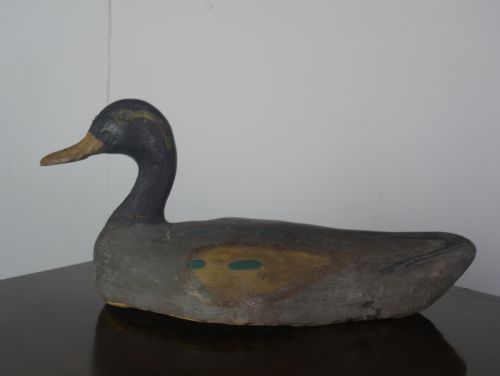


Sporting Folk Art Sculpture
Sporting folk art sculpture brings the field and the river indoors, offering carved and painted birds and figures with an honest, unpretentious charm.
Sporting Folk Art Sculpture
Sporting folk art sculpture encompasses carved timber pieces created for practical outdoor pursuits and rural life. When you search for sporting folk art sculpture, you encounter working decoys and figurative carvings shaped by hand.
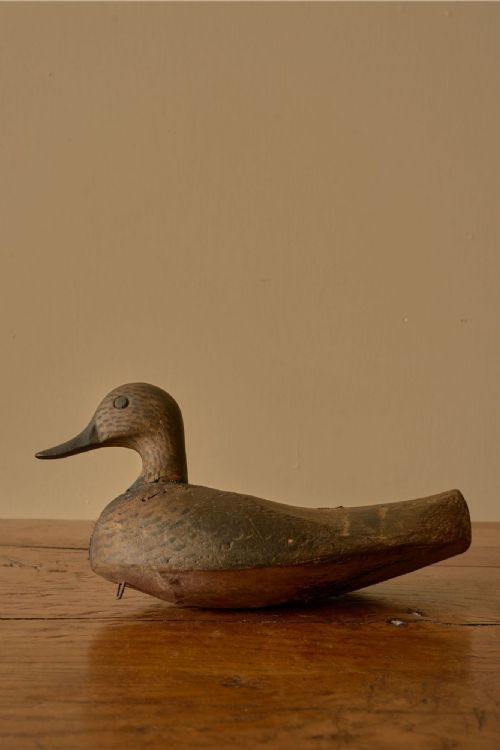
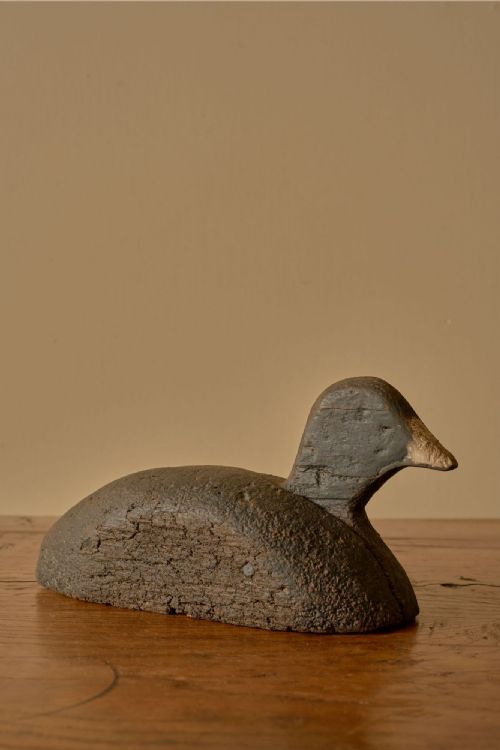
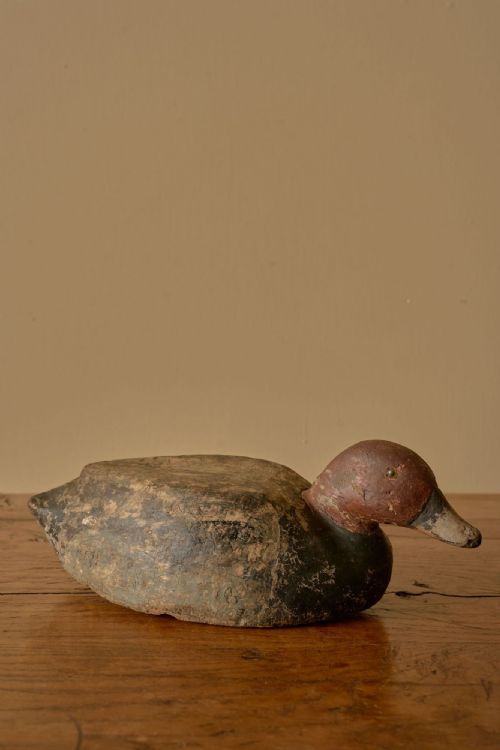
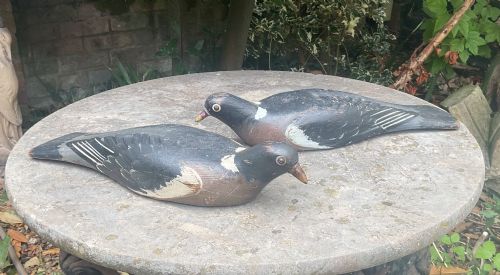
The pieces on this page are predominantly avian decoys alongside the occasional human figure. Pigeons, ducks and doves form the core of these listings, originating from the nineteenth century and the early decades of the twentieth century.
Makers fashioned these objects from native timber, applying layers of paint to attract game or mark rural pastimes. They carry the marks of actual use in the field rather than the sterile finish of a showroom.
How they were made
Carvers shaped these objects primarily from solid wood, timber and pine using hand tools. The resulting bodies show the direct grain of the wood beneath working surfaces.
Makers applied paint and gesso to seal the timber and render the plumage or clothing with realistic or stylized colour. These coatings have aged and weathered through active service outdoors.
Sporting Folk Art Sculpture Retail Price Guide 2026
Typical asking prices for sporting folk art sculpture among the pieces listed under this phrase on Sellingantiques today, from the lower quarter to the upper quarter. They describe what is for sale here now, not the wider market.
Current listings span the nineteenth century, nineteen-hundred, the Edwardian period, and the nineteen-twenties and thirties, executed in wood, pine, paint and gesso.
What varies in quality
Quality rests in the vigour of the carving and the character of the remaining paint surface. A confident silhouette and naturalistic stance separate the finest work from standard utilitarian items.
The integrity of the original surface dictates desirability. Layers of historic paint that show honest wear and natural flaking hold far more presence than later overpainting.
The Sporting Folk Art Sculpture Glossary
- Decoy
- A carved bird or animal used to lure game within range of a hunter. These working objects form the bulk of early rural sculptures.
- Gesso
- A plaster-like mixture applied to wood as a smooth base for paint. It provides a stable ground for surface decoration.
- Folk art
- Objects created by self-taught or provincial makers working within a traditional craft. They prioritize function and local style over academic training.
- Timber
- Cut wood prepared for construction or carving. Native varieties supplied the primary material for English country pieces.
Sporting Folk Art Sculpture: Frequently Asked Questions
What is sporting folk art sculpture?
Sporting folk art sculpture consists of hand-carved wooden objects relating to rural sports and country pursuits. Most examples on this page are working decoys used in shooting and trapping.
These pieces combine practical utility with expressive provincial craftsmanship. Makers shaped them from local timber to deceive game in the field.
How were decoy ducks used?
Decoys were placed upon water or marshland to attract wildfowl within range of hunters. Their silhouette and painted plumage drew birds down to the location.
After use, they were stored in damp conditions that contributed to their weathered appearance. This active employment created the characteristic surface wear collectors value today.
How do I date these sculptures?
Dating relies upon tool marks, timber choice, and the composition of the paint layers. Nineteenth-century examples often display simpler hand-carved forms and heavier weathering.
Twentieth-century pieces can show more defined shaping while retaining traditional painted finishes. Comparing the construction methods helps place a piece within its proper era.
Where should I display them?
These sculptures suit tabletops, shelves, and mantelpieces where their form and texture can be appreciated up close. They integrate well into traditional and modern interiors alike.
Keep them away from direct heat sources and strong sunlight to protect the fragile historic paint surfaces. Stable indoor humidity preserves the timber and gesso.