



Hand Carved Wooden Sculpture
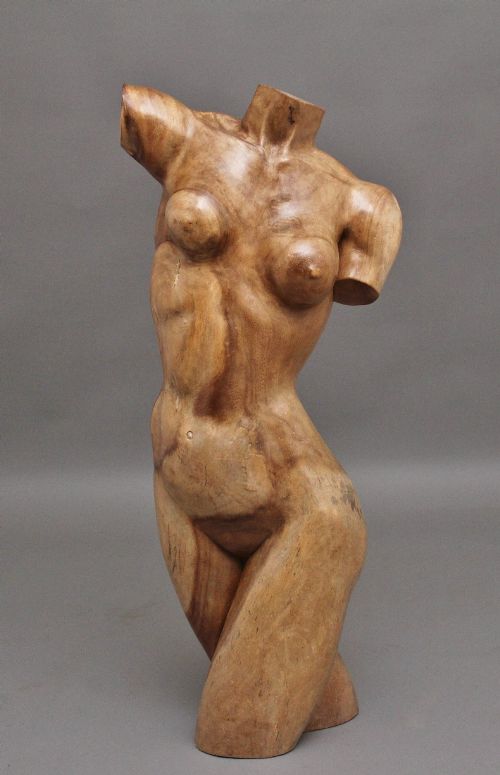
When you search for hand carved wooden sculpture, you enter a world of varied figures, animals and religious subjects shaped from timber across multiple centuries.
Hand Carved Wooden Sculpture
A hand carved wooden sculpture represents a diverse tradition of three-dimensional art, encompassing religious figures, animal studies and folk objects. Buyers exploring this category encounter pieces spanning from the seventeenth century through to the early twentieth century.
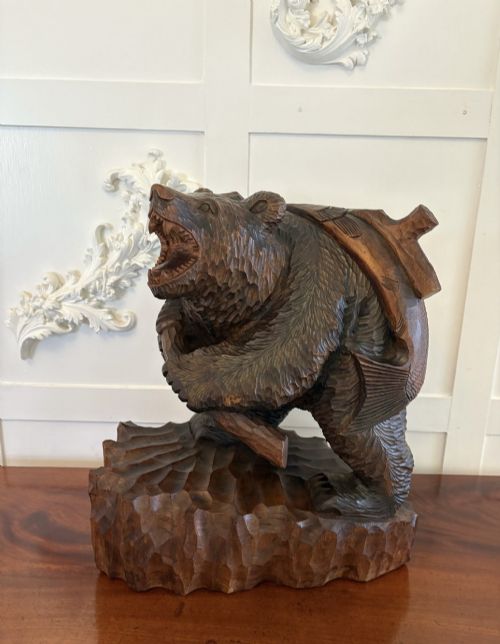
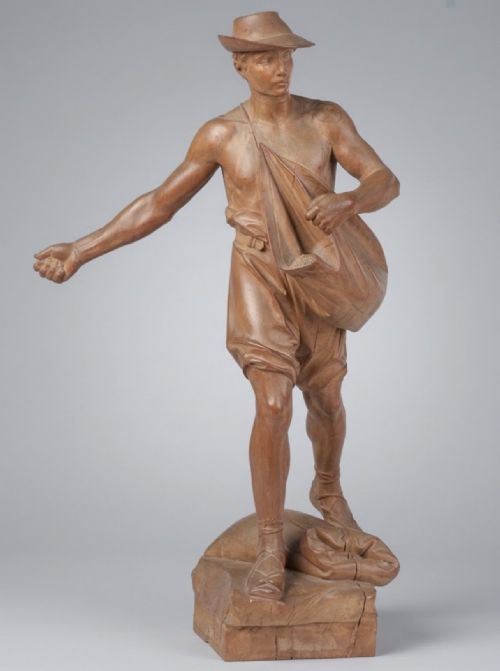
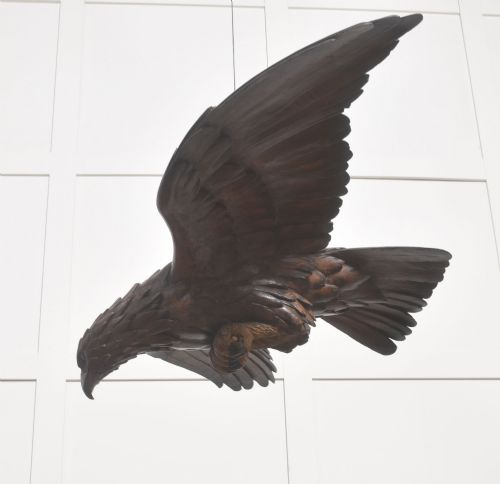
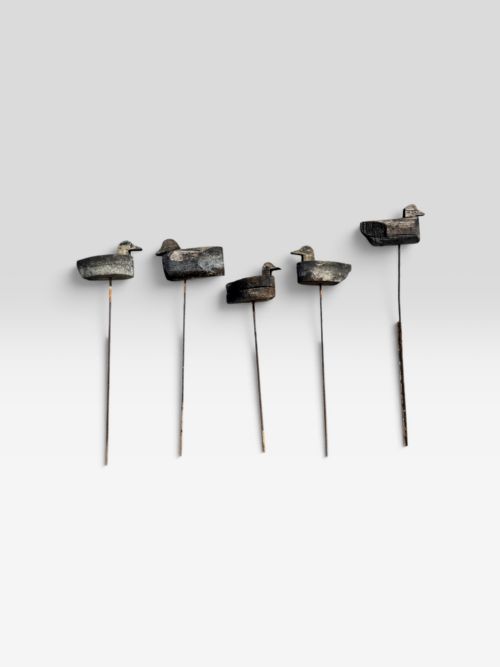
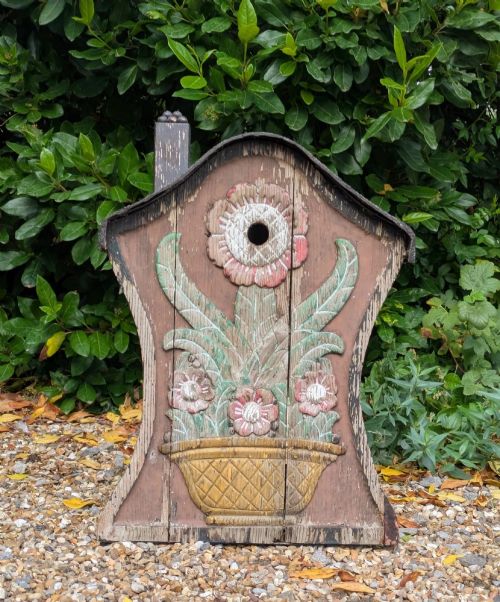
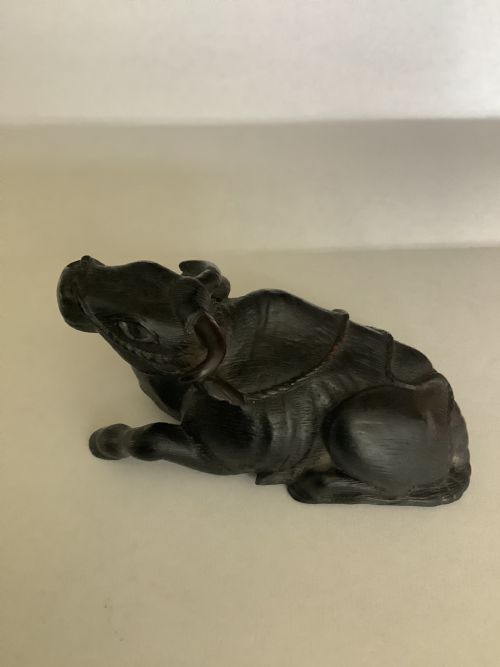
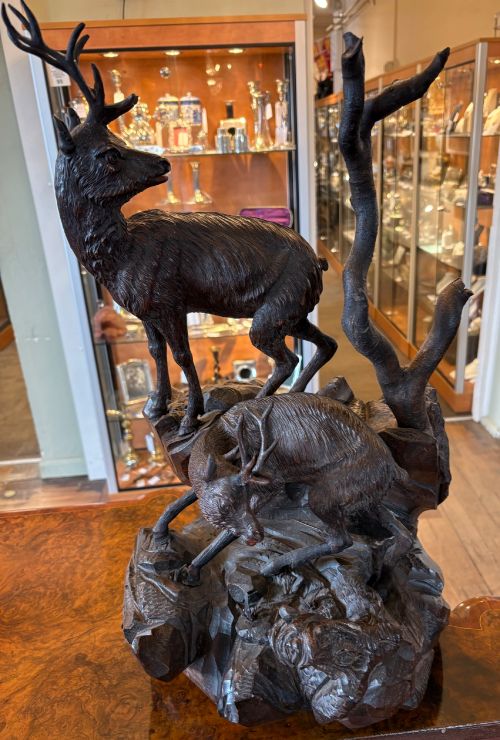
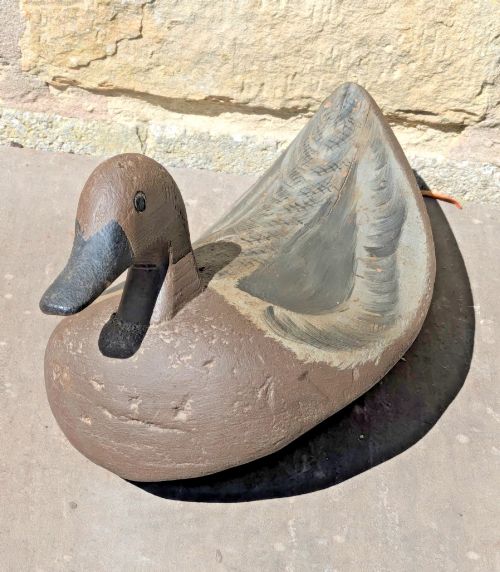
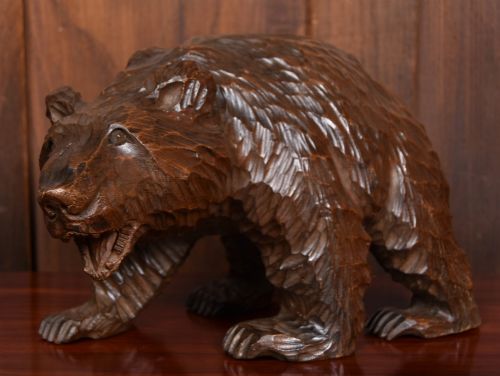
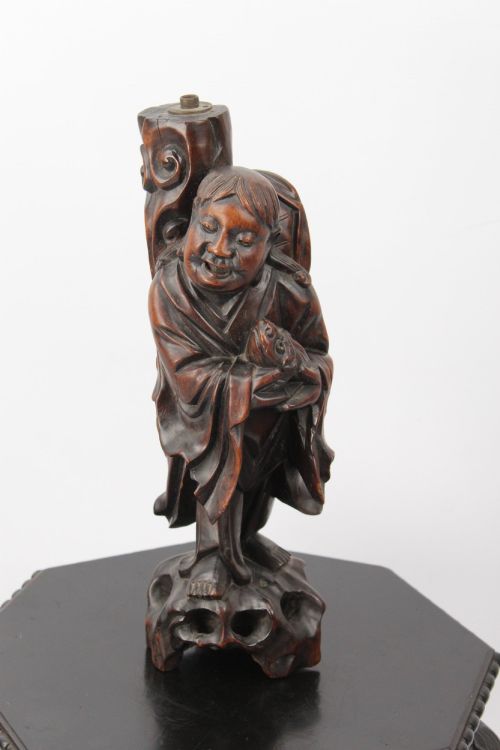
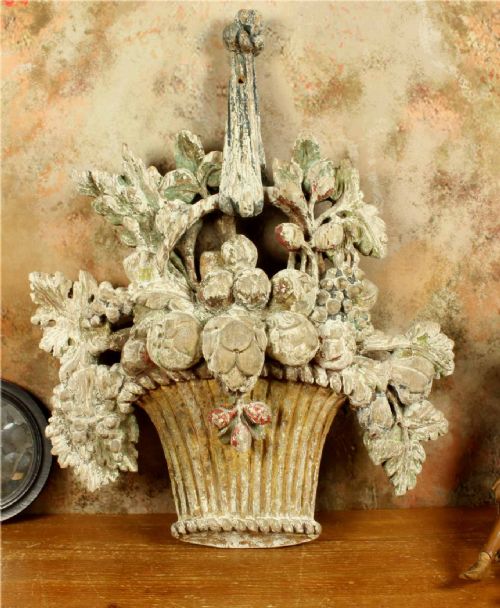
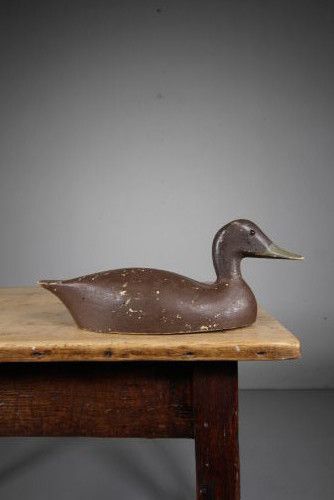
The selections on this page feature regional interpretations ranging from European Black Forest animal groups and English decoy ducks to Asian figures and folk art carvings. Common forms include realistic animal studies, religious saints, athletic figures and decorative wall reliefs.
Originating from workshops across Europe, Asia and Britain, these items utilise timber types specific to their region and period. Each piece carries the distinct chisel marks and shaping methods of its maker.
How They Were Made
Carvers shaped these pieces using hard and soft timbers such as walnut, oak, chestnut, fruitwood and linden wood. Sculptors selected specific woods based on the level of detail required and the regional availability of the timber.
Hand Carved Wooden Sculpture Retail Price Guide 2026
Typical asking prices for hand carved wooden sculpture among the pieces listed under this phrase on Sellingantiques today, from the lower quarter to the upper quarter. They describe what is for sale here now, not the wider market.
Saint Bernard dogs, medieval pipers and bears carrying fish share the timber stage.
What Varies In Quality
Quality rests upon the anatomical accuracy and the confidence of the carving technique, separating static execution from lifelike presence. Master carvers achieved fluid movement in animal subjects and expressive depth in human faces.
The preservation of the original surface finish and the crispness of the remaining detail influence the standing of a piece. Finer examples display precise tool work that defines muscle structure, drapery and texture without unnecessary smoothing.
George Henry Paulin RBS·JULES BUSTE LABATUT·J. HUGGLER
The Hand Carved Wooden Sculpture Glossary
- Black Forest
- A style of wood carving originating from the Swiss and German mountain regions, famous for realistic animal studies and linden wood figures. These carvings frequently depict bears, deer and alpine wildlife.
- Decoy
- A carved wooden bird or animal utilised historically by hunters to attract waterfowl or pigeons. Many examples feature hand-painted surfaces showing natural plumage.
- Linden wood
- A pale, fine-grained timber favoured by European carvers for its smooth consistency and lack of prominent grain. This wood allows for intricate detail without splitting.
- Folk art
- Objects created by self-taught makers or within traditional community practices, prioritising expressive character over academic proportion. These sculptures display naive charm and regional materials.
- Gesso
- A plaster mixture applied to wooden surfaces to prepare them for painting or gilding. This ground layer creates a smooth base for colour.
Hand Carved Wooden Sculpture: Frequently Asked Questions
How do I care for antique wood carvings?
Keep wooden sculptures away from direct heat sources and strong sunlight to prevent the timber from drying out and cracking. Dust them gently with a dry cloth rather than applying liquid polishes.
Maintain a stable room temperature and humidity level where the sculpture sits. Sudden environmental changes cause wood to expand and contract, which stresses joints and carved details.
What is Black Forest carving?
Black Forest carving refers to decorative wooden sculptures produced in the mountains of Switzerland and Germany during the nineteenth and early twentieth centuries. They are easily recognised by realistic animal subjects, particularly bears and deer.
Carvers in this tradition typically utilised linden wood or walnut. The works range from small desk accessories to large hall stands and detailed animal groups.
How can I tell the age of a wooden sculpture?
Examine the tool marks left on the timber, as hand-chiselled surfaces differ noticeably from modern machine milling. Tool technology and carving styles shifted distinctly between the seventeenth and twentieth centuries.
Inspect the condition of the wood and any surface paint for natural ageing processes such as shrinkage cracks and mellow patination. Comparing the subject matter and regional clothing styles helps narrow down the period.
Were decoy ducks actually used outdoors?
Decoy ducks served a practical purpose on lakes and marshes to lure wildfowl within range of hunters. Makers weighted and balanced them so they floated upright on water.
Many working decoys received repeated coats of hand-applied paint over decades of use. Surviving examples now rest indoors as decorative folk art objects.