


Brienz Carved Wood Bear
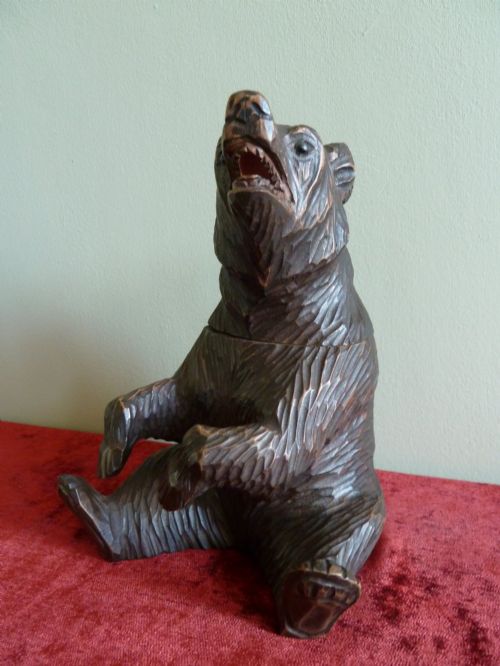
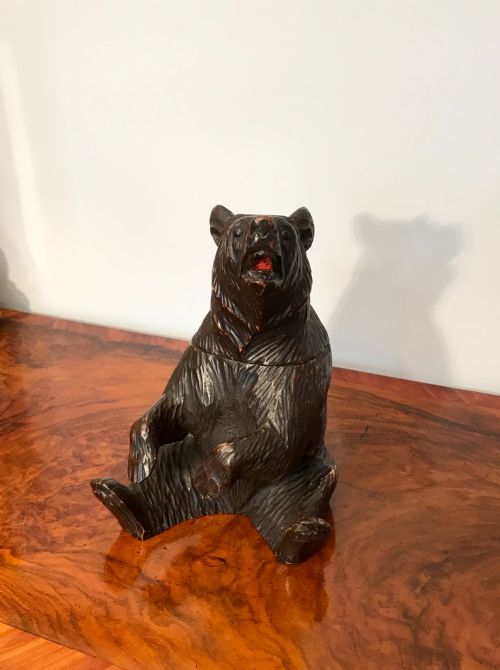
These brienz carved wood bear sculptures are characterful antique carvings that bring distinctive alpine charm to any room.
Brienz Carved Wood Bear
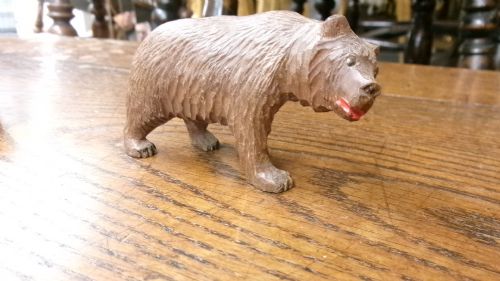
When you search for brienz carved wood bear pieces, you encounter figurative animal sculptures originating from Swiss folk art traditions. The selection spans domestic utility objects, including tobacco holders, humidor boxes, inkwells, stick stands and hall stands.
The objects appear primarily in nineteenth century and Edwardian iterations, encompassing both miniature figures and large hall pieces. Sculptures depict realistic brown bears, occasionally fitted with glass or metal eyes and metal hardware.
Artisans produced these decorative sculptures in various configurations, ranging from single standing figures to pairs and sets of miniatures. The Black Forest style dominates the aesthetic, linking these regional Swiss carvings to broader Victorian tastes.
Materials and construction
Carvers utilised linden wood, walnut and general carved wood, taking advantage of local timber resources in the Swiss tradition. Linden wood offered a fine grain that permitted intricate detailing of fur and facial expressions without splitting.
One miniature set contains fifteen tiny bears, proving that alpine carvers possessed infinite patience for small furry details.
Quality variations
Depth of carving and anatomical proportion distinguish different tiers of execution, separating standard workshop output from exceptional examples. Finer pieces demonstrate realistic fur texture and expressive postures rather than blocky or stiff rendering.
Functional complexity also sets items apart, as large hall stands and fitted tobacco boxes with intact hardware require superior carpentry skills. The survival of original glass eyes and metal mountings influences the overall integrity of the sculpture.
The Brienz Carved Wood Bear Glossary
- Black Forest
- A regional style of wood carving associated with Switzerland and Germany during the nineteenth century. These items typically feature naturalistic animal and foliage motifs.
- Linden wood
- A pale timber commonly chosen by carvers for its soft texture and uniform grain. This material allowed artisans to execute deep undercutting and fine surface details.
- Humidor
- A specialised box designed to store tobacco while maintaining humidity. In this category, such boxes take sculptural bear forms.
- Stick stand
- A tall hallway piece intended for holding walking canes and umbrellas. Examples in this category incorporate carved bear figures into the structural framework.
- Swiss folk art
- Traditional cultural craft objects produced in rural regions. This designation covers the vernacular carved figures and household items from the Brienz area.
Brienz Carved Wood Bear: Frequently Asked Questions
How do I date a carved wooden bear?
Dating relies on stylistic markers, materials, and associated hardware like metal hinges or glass eyes. Nineteenth century pieces often show deeper hand carving and wear consistent with age.
Later Edwardian or 1920s pieces maintain similar Swiss folk art motifs but belong to the end of the traditional production period.
Where were these bear carvings made?
The tradition centres on the Brienz region of Switzerland, where woodcarving schools flourished during the nineteenth century. Artisans produced these items for the export and tourism market.
Many pieces reflect the broader Black Forest style popular across Victorian and Edwardian households in Europe and Britain.
How do I care for antique wood carvings?
Keep wooden sculptures away from direct sunlight and sudden temperature changes to prevent the timber from splitting. Dust them gently with a soft brush rather than using liquid polishes.
Preserving the original surface finish maintains the historic character of the linden wood or walnut material.