


Cast Bronze Artwork
Cast bronze artwork brings sculptural weight and tactile detail into a room, spanning nineteenth-century portraits, figures, and orientalist studies.
Cast Bronze Artwork
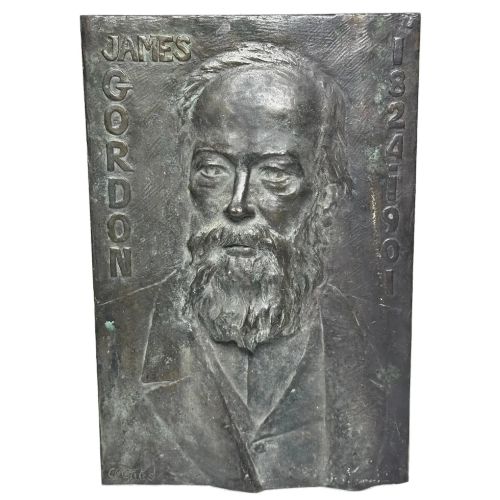
Cast bronze artwork encompasses statues, busts, plaques, and animalier studies produced across the nineteenth and twentieth centuries. These pieces range from European portraiture and allegorical figures to Japanese okimono and African horseman statues.
The versions most frequently met on this page date from the Victorian and Edwardian periods, alongside nineteenth-century French productions and twentieth-century interpretations. They combine solid metal casting with varied patination to create permanent records of human and animal forms.
Methods of creation
Makers utilised traditional foundry techniques to pour molten metal into moulds, capturing fine details in the resulting bronze or cast iron. Cold-painting and patination were applied to the surfaces to add colour and depth after casting.
Mounts and integral bases often incorporate complementary materials such as marble or stone, anchoring the heavier metal sculptures securely.
Listings feature nineteenth-century French works alongside Edwardian portraits and Japanese garden bronzes.
Distinctions in quality
The definition of the cast separates standard foundry work from superior examples, particularly in the rendering of facial expressions, drapery, and musculature. Sharpness in the chasing and finishing stages reveals the skill applied after the metal left the mould.
The richness and integrity of the original patination dictate the visual success of a piece. Depth of colour and honest wear enhance the surface, whereas heavy interference obscures the definition of the metalwork.
Franz Bergman·Emile Louis Picault·Sir Thomas Brock·Charles Arthur Bourgeois·Auguste Moreau
The Cast Bronze Artwork Glossary
- Patina
- The surface coloration and sheen developed naturally over time or applied chemically by the foundry. This layer protects the metal and defines the visual character of the sculpture.
- Okimono
- A Japanese decorative object intended for display on a shelf or in a tokonoma alcove. These sculptures often depict animals, figures, or mythical subjects with meticulous detail.
- Cold-painted
- A technique where paint is applied to a bronze object without being fired in a kiln. This method allows for vivid polychrome finishes but requires careful handling to prevent flaking.
- Chasing
- The process of refining a metal casting by hand using hammers and punches to clean up seams and sharpen details. Superior chasing distinguishes high-end foundry output from commercial production.
Cast Bronze Artwork: Frequently Asked Questions
How do I clean cast bronze artwork?
Dust the surface gently with a soft, dry brush to prevent dirt accumulation in the recessed areas.
Avoid using water, metal polishes, or harsh detergents, as these substances can strip the original patina.
Where should I place these sculptures?
Position heavier pieces on stable, level surfaces such as sideboards, heavy desks, or dedicated plinths that support their weight.
Keep them away from direct heat sources and excessive moisture to protect both the metal and any stone or marble bases.
How do I identify the period?
Examine the style of the dress, the casting technique, and any signatures or foundry marks stamped into the metal.
Nineteenth-century pieces often display distinct classical or realist influences compared to later twentieth-century interpretations.
What is cold-painted bronze?
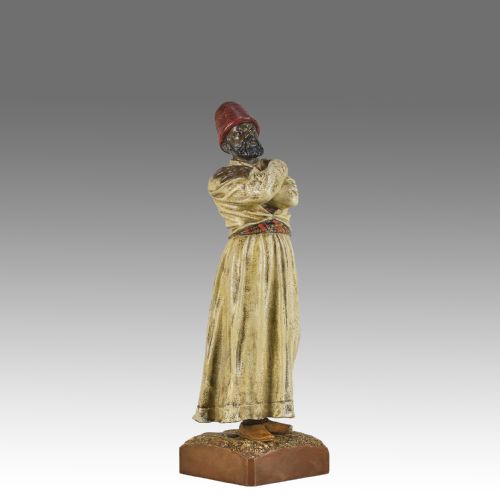
Cold-painted bronze refers to metal sculptures finished with unheated oil or enamel paints applied directly to the surface.
This technique was particularly popular for orientalist figures and small decorative animal studies.