





Antique Commemorative Plaque
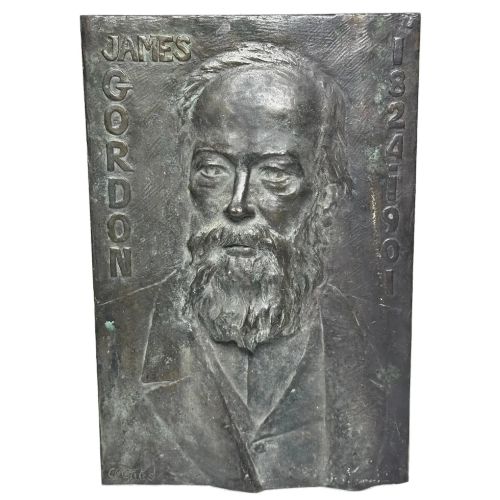
An antique commemorative plaque marks a notable person, place or event in cast metal, porcelain or wood.
Antique Commemorative Plaque
An antique commemorative plaque serves to record specific historical events, exhibitions, royal jubilees and notable portraits from the eighteenth century through to the early twentieth century. Buyers seeking an antique commemorative plaque encounter wall plaques, relief panels, cast medals and commemorative plates spanning the Victorian and Edwardian eras.
The materials range widely across these examples, taking the form of patinated bronze, cast brass, copper, silver, porcelain, marble and oak. Many are fitted for wall hanging or display, frequently carrying the likeness of monarchs, literary figures, historical personages or international exhibitions.
Originating from British, French and Italian workshops, these pieces encompass formal portraiture alongside domestic commemorative wares. The selection balances official exhibition awards and royal tributes with vernacular expressions of history.
Materials and methods of production
Metals dominate the physical record, utilising bronze, brass, copper and pewter shaped through casting, striking and patination. Cast sheet brass and bronze reliefs capture fine portrait details and architectural motifs with durable crispness.
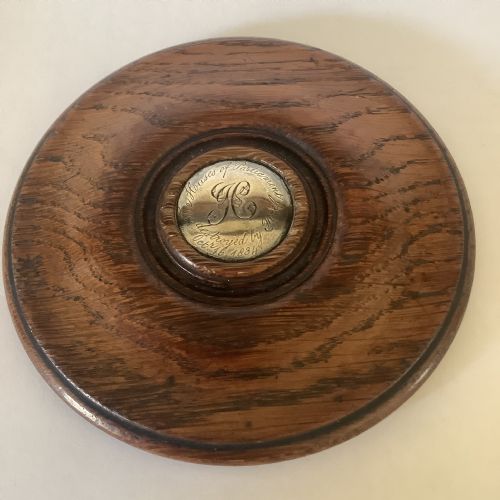
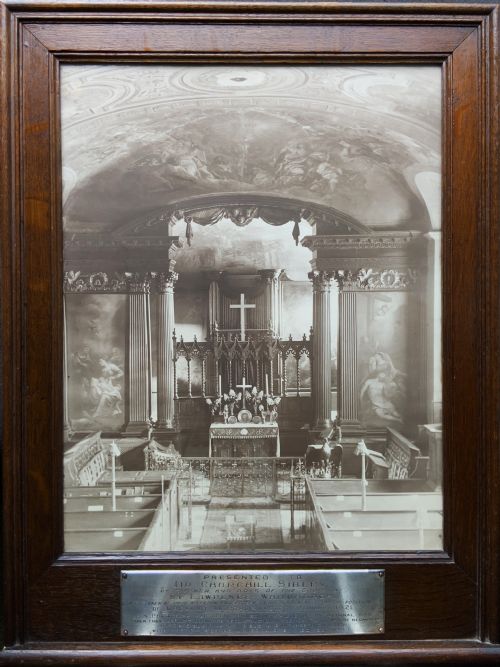
Ceramic examples employ porcelain and stoneware with moulded decoration, while timber pieces utilise oak shaped into snuff boxes, church relics and mounted panels. Surface finishes include patinated metal treatments, polished brass, and hand-applied monochrome or sepia photography mounts.
Listings incorporate items spanning the eighteenth, nineteenth, and early twentieth centuries, including the Victorian and Edwardian periods.
Distinctions in quality
Material substance and mounting integrity define the upper tier, where heavy cast bronze or solid brass frames complement the central plaque. Maker signatures, exhibition attributions and distinct provenance add authority to the physical object.
Smith Beck and Beck·De Grave Short and Fanner·Alice Gates
The Antique Commemorative Plaque Glossary
- Patinated bronze
- Bronze that has been chemically or naturally treated to produce a rich surface colour and finish. This process highlights relief details and protects the underlying metal.
- Relief
- A sculptural technique where the figures and elements project from a flat background. High relief stands out significantly, while low relief remains closer to the plane.
- Exhibition medal
- A commemorative medallion awarded or sold to mark participation in international industrial fairs. These objects record nineteenth-century technological and artistic displays.
- Commemorative plate
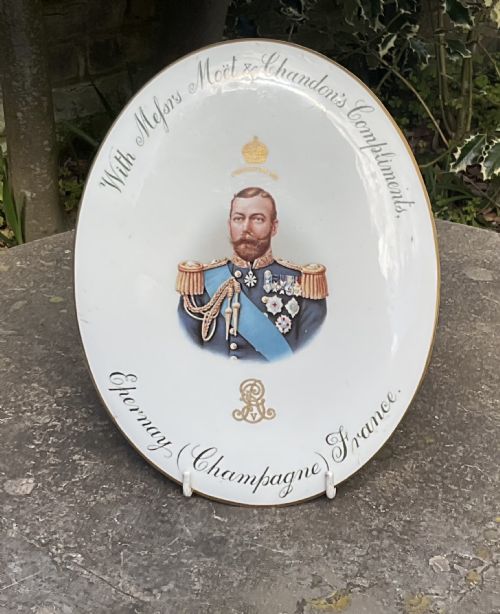
- A flat ceramic or pewter vessel bearing imagery designed to mark a specific historical event or person. They were frequently produced for display rather than dining.
- Wall pocket
- A hanging receptacle designed to attach to a wall for holding small items. Brass and metal versions often feature decorative repoussé or cast designs.
Antique Commemorative Plaque: Frequently Asked Questions
What events do these plaques usually commemorate?
These pieces commemorate international exhibitions, royal jubilees, political figures, literary icons and historical disasters. They record specific public moments from the eighteenth century onward.
Subjects range from Queen Victoria and Abraham Lincoln to the London International Exhibition and the Houses of Parliament fire.
How were bronze portrait plaques displayed originally?
Many bronze and brass portraits were mounted in dedicated wooden frames or hung directly on walls by integrated loops. They served as scholarly or patriotic wall decorations in period interiors.
Heavier cast pieces were often fitted with structural backing panels of oak or velvet to support their weight.
Are exhibition medals considered wall plaques?
Exhibition medals share the commemorative intent of wall plaques and were frequently housed in desk collections or framed for display. They mark industrial and cultural achievements of the nineteenth century.
Both categories rely on metal casting to preserve detailed portraits and commemorative text.
How do I identify the date of a metal plaque?
Dates are often cast directly into the metal alongside portrait subjects, royal reigns, or specific exhibition years like eighteen sixty-two. Stylistic cues such as Victorian folk art or Edwardian lettering also indicate the period.
Maker signatures and attributed names help narrow down the precise decade of production.