


Vintage Bronze Panel
These vintage bronze panel pieces bring sculptural depth and industrial character to a room, offering distinct decorative focal points.
Vintage Bronze Panel
When you search for vintage bronze panel, you encounter a mix of architectural salvage, wall plaques, and decorative reliefs forged in bronze and related metals. These items emerge from periods ranging from the Victorian era and the Edwardian years through to Art Deco and later dates.
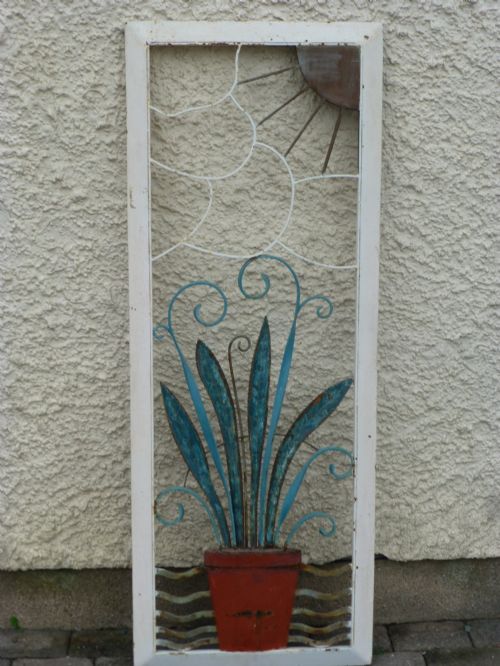
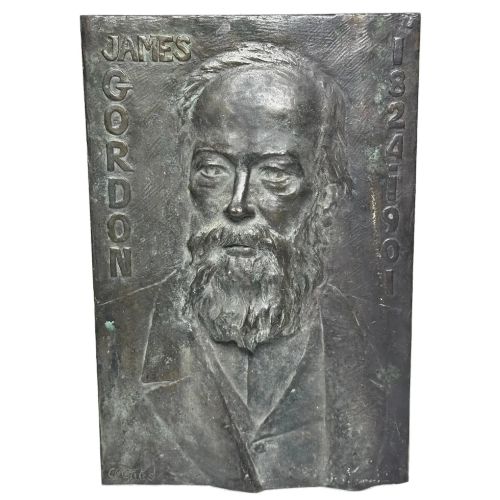
The objects take several forms, including architectural screens, heraldic plaques bearing specific coats of arms, and portrait reliefs. You are likely to meet pieces depicting figures, such as a bronze portrait attributed to Alice Gates or a signed plaque of Queen Astrid.
Origins stretch across French, British, and Russian workshops, demonstrating how these panels served both utilitarian architectural functions and purely decorative indoor roles. Some items combine the metalwork directly with wooden backing panels or stone surrounds.
Materials and construction methods
Makers utilised cast bronze, brass, ormolu, and iron, frequently mounting metal panels onto wooden backings like kingwood or walnut. Architectural elements and screens demonstrate heavy wrought iron and steel framing integrated with cast bronze components.
Surface treatments vary from the natural patination of bronze to gilded finishes and hand-painted details. Portrait reliefs on this page also include alternatives such as bronzed plaster alongside traditional metal casting.
Materials represented across the selection include bronze, brass, ormolu, glass, wood, wrought iron, steel, and kingwood.
Distinctions in quality and execution
Signatures from known designers or attribution to specific workshops elevate an object, as seen in pieces linked to makers like Raymond Subes. The integration of supporting materials, such as finely figured kingwood or robust architectural framing, further defines the standard of the piece.
Raymond Subes·Alice Gates
The Vintage Bronze Panel Glossary
- Bronze
- An alloy consisting primarily of copper, traditionally combined with tin, used for durable casting and sculptural relief work. It develops a natural patina over decades.
- Ormolu
- A gilded bronze application technique popular in French decorative arts and furniture mounts. It provides a bright golden surface appearance.
- Relief
- A sculptural technique where the sculpted elements project from a flat background surface. High relief projects significantly, while low relief remains closer to the plane.
- Heraldic Plaque
- A metal panel displaying armorial bearings or family crests. These items often commemorate specific individuals, institutions, or government bodies.
- Vernis Martin
- A simulated Japanese lacquer technique developed in France during the eighteenth century and imitated in later furniture and vitrines. It uses multiple varnish layers to achieve a glossy finish.
Vintage Bronze Panel: Frequently Asked Questions
What is a vintage bronze panel?
A vintage bronze panel is a cast metal section used for architectural screening, wall decoration, or portrait commiseration. These items originate from various periods including the nineteenth and twentieth centuries.
They encompass architectural salvage, heraldic markers, and artistic reliefs designed to be mounted on walls or integrated into furniture.
How do I hang a heavy bronze panel?
Hanging a heavy metal panel requires securing it directly into wall studs or using heavy-duty masonry anchors depending on your wall type. Weight distribution is critical given the density of cast bronze and iron.
Consulting a professional installer ensures the piece remains secure without damaging the surrounding wall or the panel itself.
How do I clean a bronze panel?
Cleaning generally involves dusting gently with a soft, dry cloth to remove surface particles without disturbing the underlying patina. Avoid harsh chemical cleaners or abrasive scouring pads.
Preserving the natural age and colour of the metal is standard practice among collectors of antique bronze work.