

Gold Miniature Portrait Frame
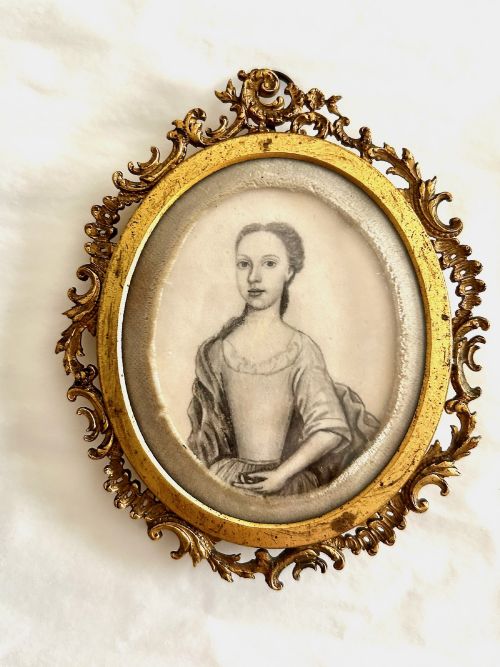
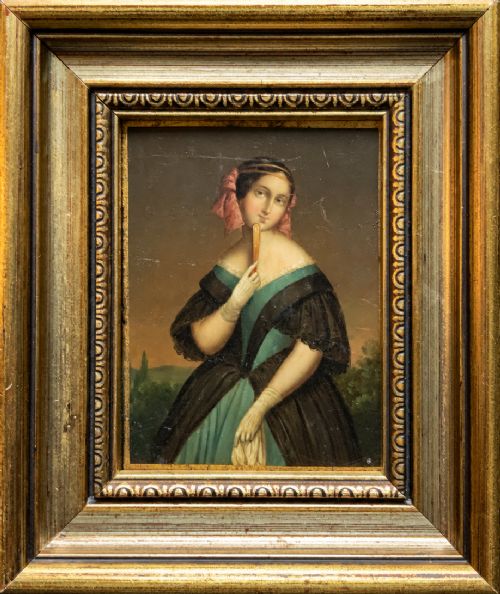
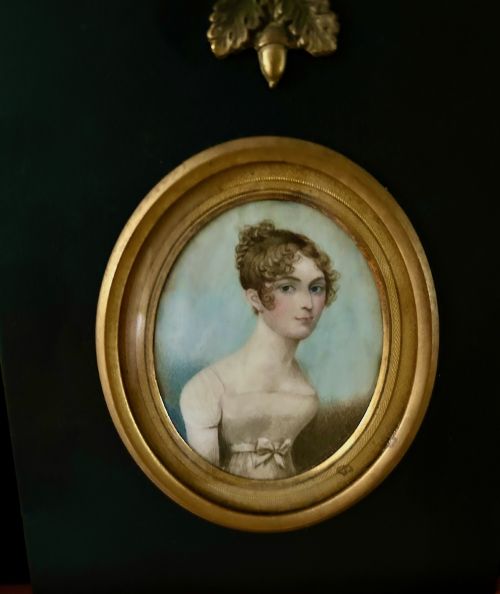
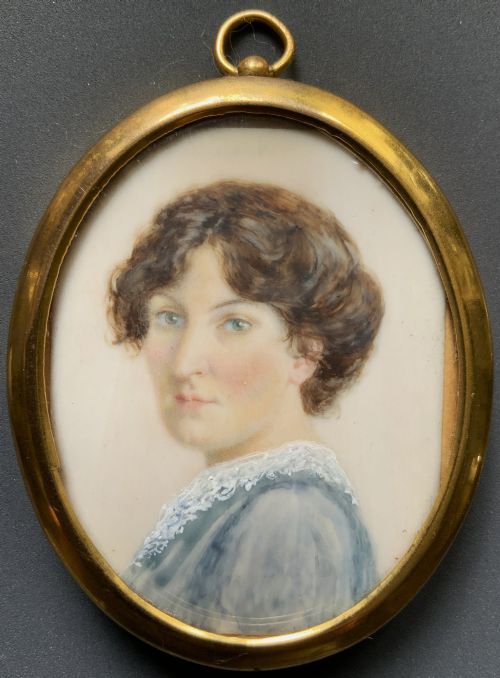
When you search for a gold miniature portrait frame, you look for delicate enclosures that preserve historic likenesses in watercolour, enamel, and oil from Georgian, Regency, and Victorian eras.
Gold Miniature Portrait Frame
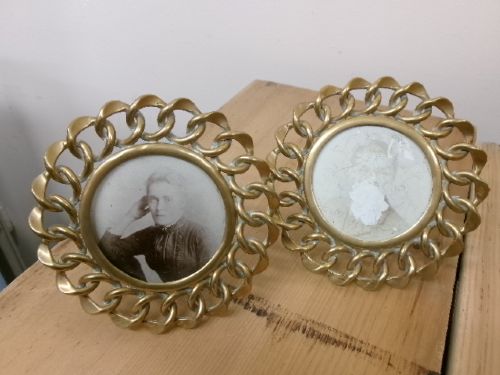
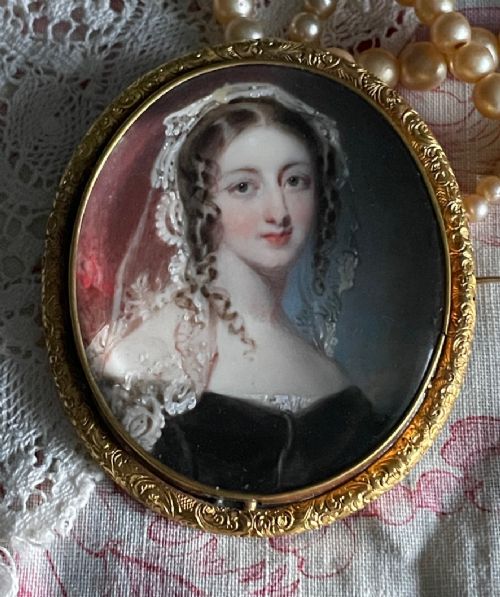
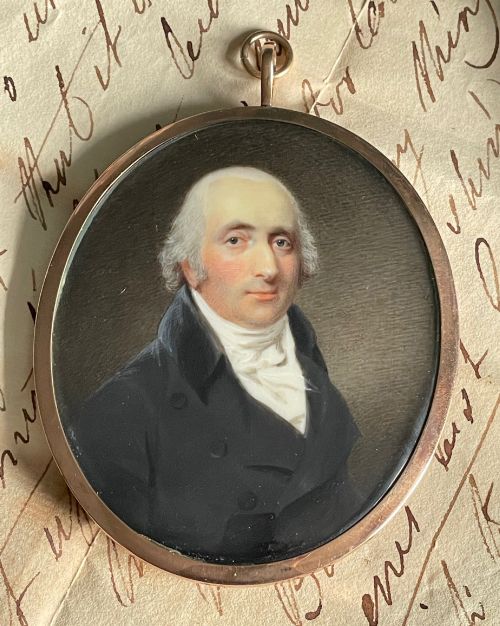
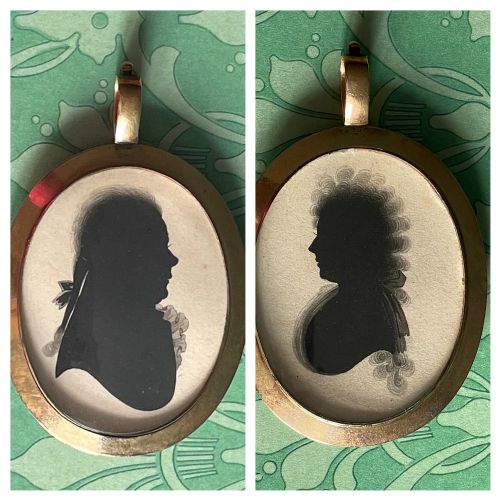
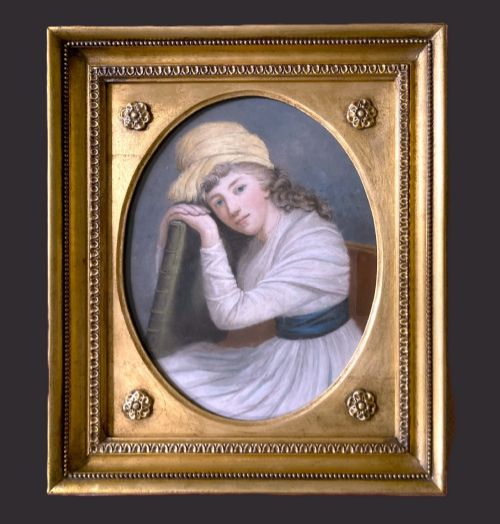
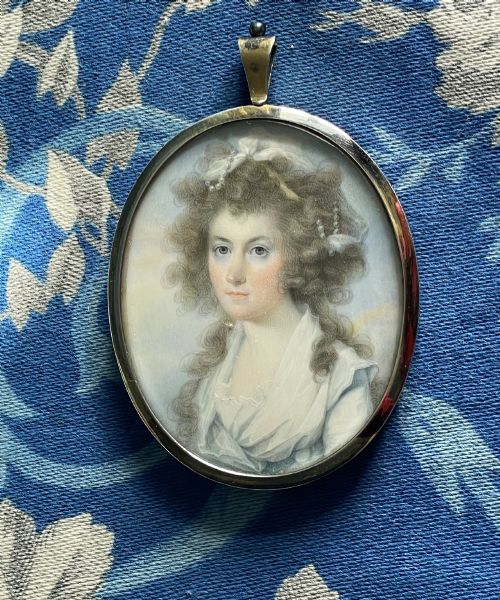
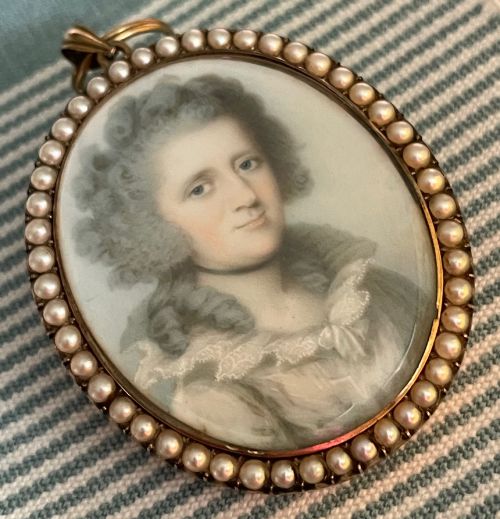
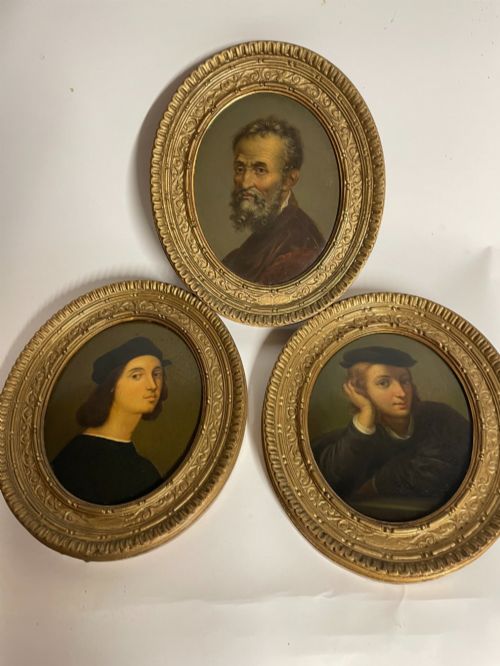
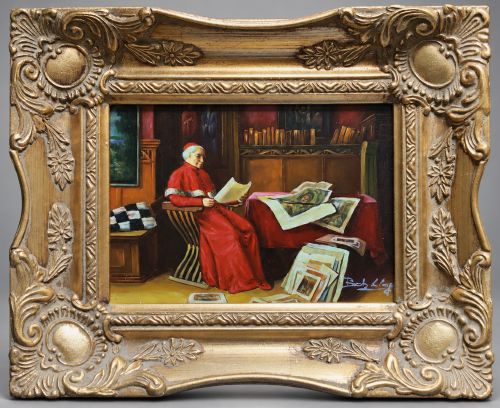
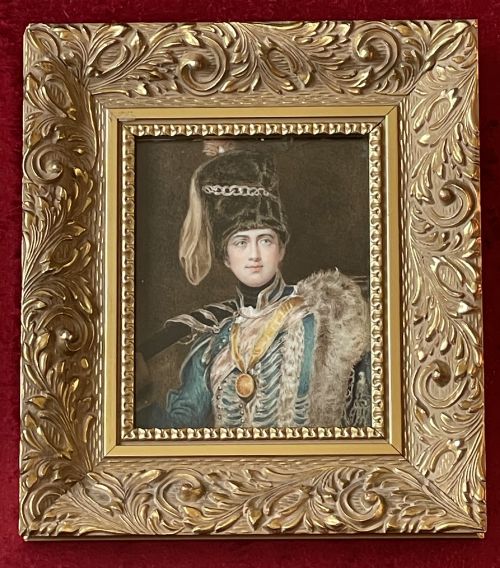
A gold miniature portrait frame houses small-scale paintings, watercolours, silhouettes, and wax reliefs created across the eighteenth and nineteenth centuries. The examples encountered on this page range from simple pendant settings in fourteen-karat gold to ornate gilt metal and giltwood surrounds designed for tabletop display or personal wear.
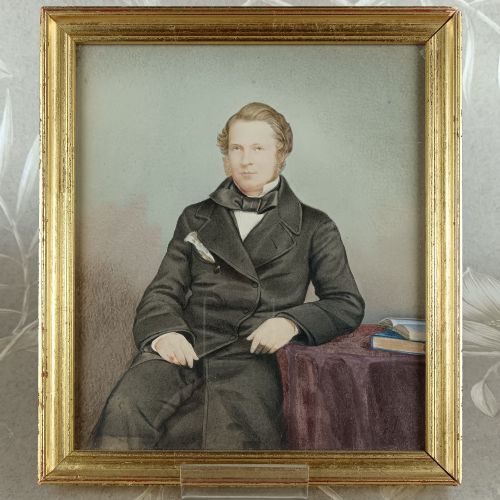
Most selections feature intimate depictions of gentlemen, ladies, and children rendered by notable artists and regional portraitists. The encompassing frames serve to protect fragile media such as paper, glass, and enamel while presenting the likeness with proper dignity.
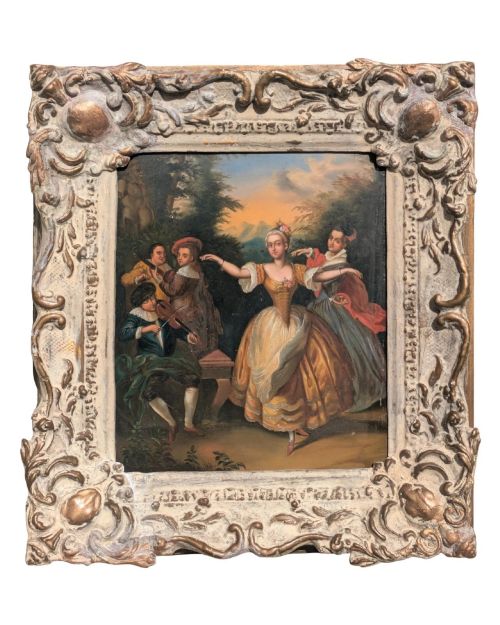
The objects span multiple stylistic revivals, notably French Rococo and Victorian interpretations of earlier motifs. Buyers find both standalone oval enclosures and complete miniature paintings preserved within their original precious metal housings.
How they were made
Artisans constructed these surrounds using gold, gilt metal, and giltwood, often incorporating glass to shield delicate watercolours and paper paintings beneath. Metal frames were cast, chased, or worked into intricate pendants and stands, while wooden variants utilised applied gold leaf.
The miniature portraits themselves demanded supreme precision, executed in watercolour, gouache, pastel, or enamel upon ivory, vellum, or paper supports. Skilled hands balanced minute pigments to capture fine facial details and costume laces within a compass of a few inches.
Gold Miniature Portrait Frame Retail Price Guide 2026
Typical asking prices for gold miniature portrait frame among the pieces listed under this phrase on Sellingantiques today, from the lower quarter to the upper quarter. They describe what is for sale here now, not the wider market.
Listings feature works spanning the eighteenth and nineteenth centuries, including Georgian, Regency, and Victorian periods.
What varies in quality
Quality rests upon the fineness of the metalwork and the artistic execution of the portrait contained within. Superior examples display crisp chasing on the gold frame alongside masterful brushwork and lifelike anatomical rendering in the painting.
The distinction between ordinary production and top-tier work involves the preservation of original components, such as intact convex glass and authentic backing materials. Pieces associated with documented makers or exhibited portraitists command particular attention for their superior provenance.
Henri Fradelle·James Sharples·Henry Bone ARA·Horace Hone·Charles Shirreff·Richard Cosway·John Miers·Charles Hayter·Christian Friedrich Zincke·William Naish·Frederick Buck
The Gold Miniature Portrait Frame Glossary
- Enamel
- A durable substance fused to a metal base through high heat, allowing portraitists to paint lasting likenesses with vibrant mineral pigments. This medium resists fading over the centuries.
- Pendant
- A hanging piece of jewellery designed to be suspended from a neck chain or pinned to clothing. Many miniature portrait frames incorporate a small loop for this dual purpose.
- Silhouette
- A solid dark profile portrait cut from paper or painted onto a contrasting background. These shadow likenesses gained immense popularity during the Georgian and Regency periods.
- Gilt metal
- A base metal treated with a thin layer of gold wash or electroplating to simulate solid gold. This material provided an accessible alternative for decorative frames.
- Gouache
- An opaque water-based paint featuring pigment mixed with a binding agent and white filler. Portrait painters utilised it to achieve rich, solid colour passages in miniature works.
Gold Miniature Portrait Frame: Frequently Asked Questions
How were these miniature frames originally worn?
Many gold miniature portrait frames doubled as jewellery, featuring small loops at the top for suspension from ribbons or gold chains. Owners kept these intimate likenesses close to the heart beneath garments or displayed them publicly as tokens of affection.
Tabletop variants utilised folding wire stands or easel backs to sit upon desks and mantelpieces. This dual functionality allowed portraits of family members to travel securely or adorn domestic interiors.
What materials make up the frames?
Makers employed solid gold, gilt metal, and giltwood to construct these protective enclosures. Solid gold housings, such as fourteen-karat variants, often secured treasured family portraits in pendant format.
Alternative constructions featured gilt bronze and timber frames finished with gold leaf. Glass panes typically fronted the assembly to shield the watercolour, paper, or enamel artwork from atmospheric moisture and dust.
How do I date a portrait miniature frame?
Stylistic clues within the portraiture, such as Regency high-waisted dresses, Georgian powdered wigs, or Victorian mourning attire, provide initial chronological markers. The construction of the frame itself, including hinge types, closure mechanisms, and metal purity marks, offers further verification.
Comparing the mounting style against known period revivals helps distinguish eighteenth-century originals from later nineteenth-century interpretations. Documentation or signatures inscribed on the reverse further clarify the timeline.
Who painted these miniature portraits?
Both professional miniaturists and celebrated academicians dedicated their skills to this intimate scale. Artists often worked in specialised studios, capturing likenesses on ivory, vellum, or card before mounting them into custom gold frames.
Some practitioners achieved royal patronage, recording monarchs and military officers for posterity. Other works originated from competent regional artists working within established artistic circles.