


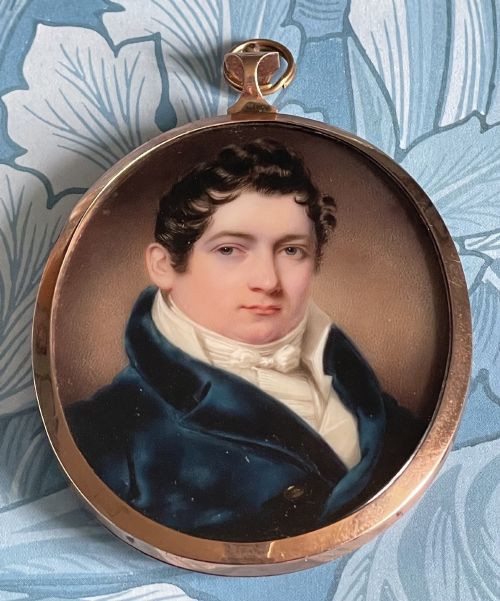
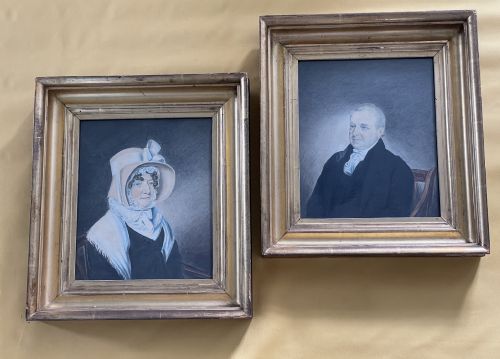
Antique Watercolor Miniature
An antique watercolor miniature captures a likeness on a small scale, offering a personal record through portraiture.
Antique Watercolor Miniature
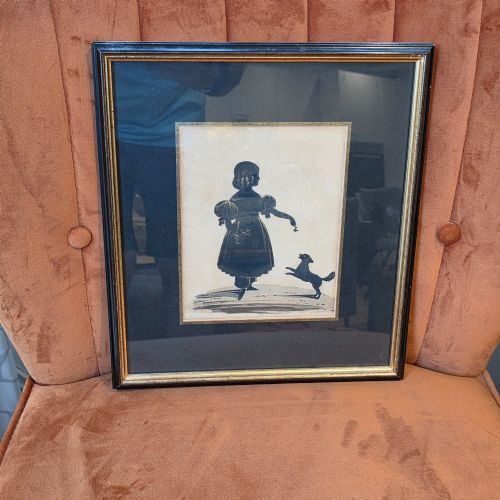
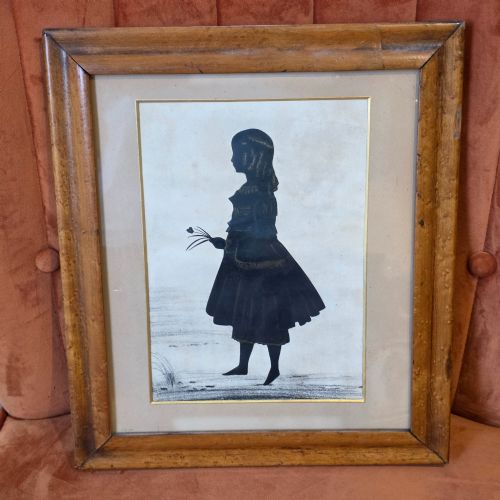
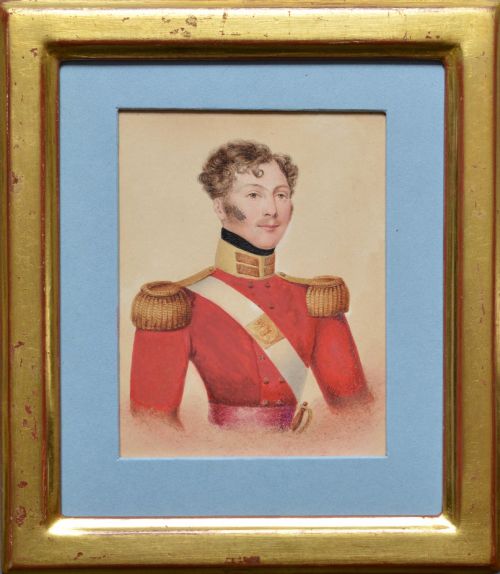
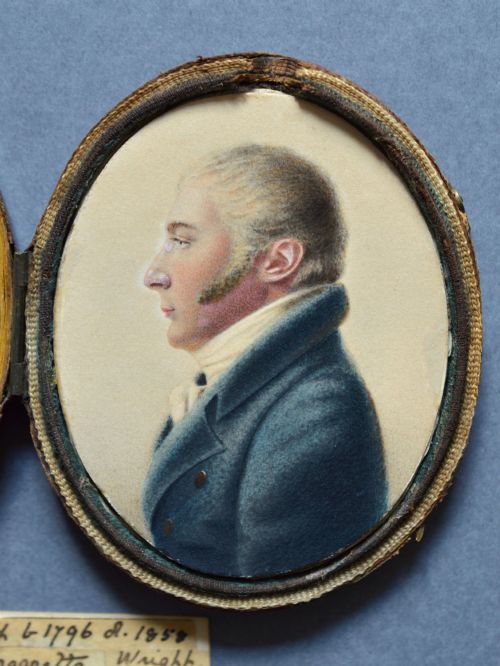
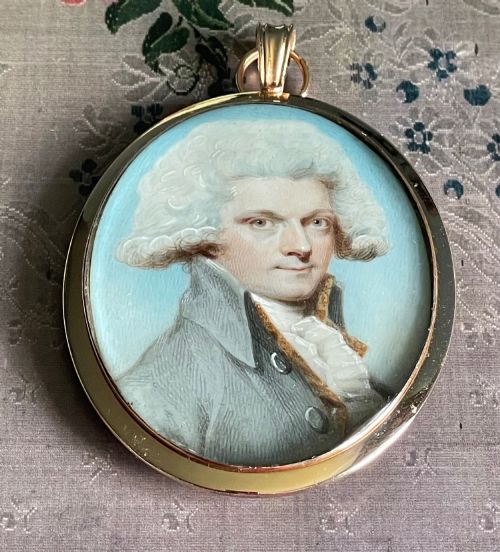
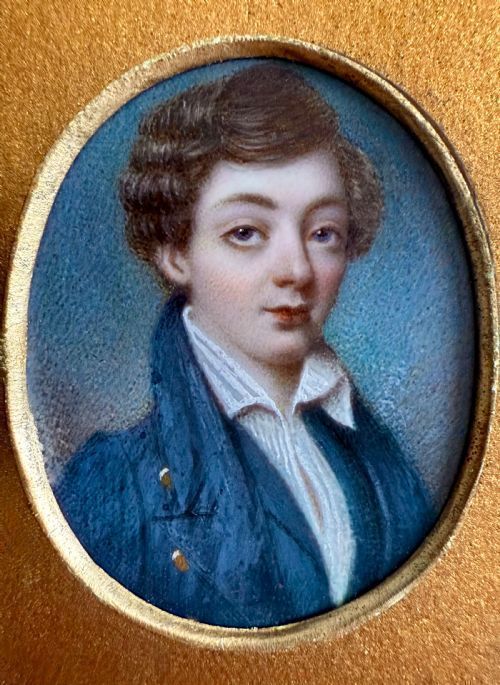
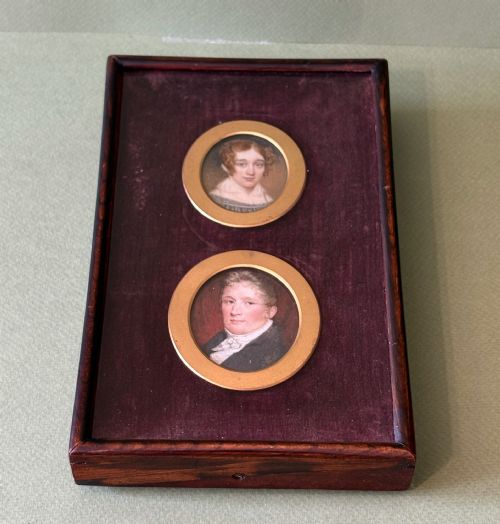
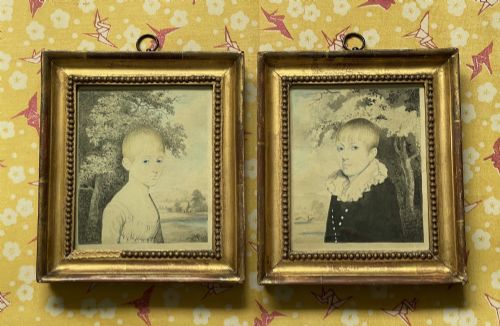
An antique watercolor miniature is a small portrait painted on paper, card, or glass, often preserved within a pendant, brooch, or framed setting. These works range from Georgian and Regency depictions of officers and children to Victorian and Edwardian character studies.
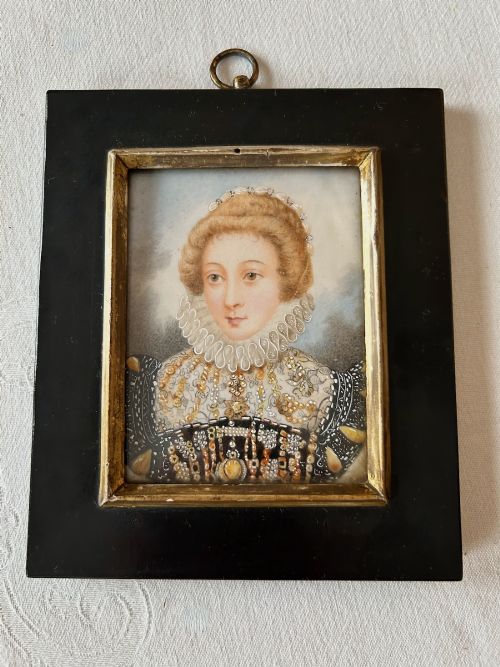
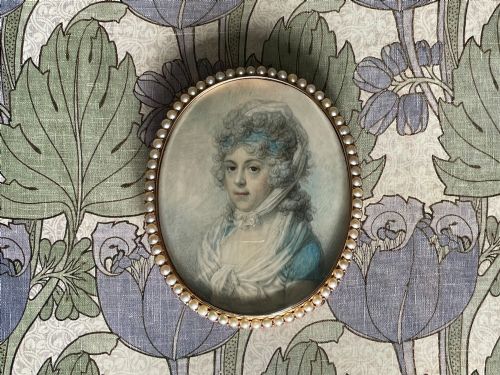
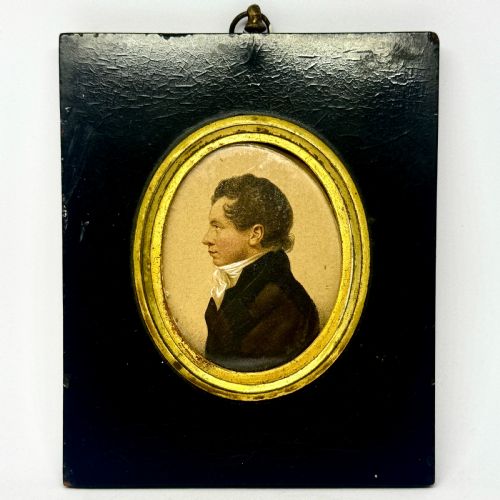
The material surface frequently combines watercolour with pencil or pastel, housed behind glass and mounted in gilt metal, gold, brass, or ebonised wood frames. Many examples display the hands of named British, Irish, and European artists working across the eighteenth and nineteenth centuries.
Pieces span formal bust-length likenesses to folk art pairs and cut-paper silhouettes, reflecting domestic life and military service across generations.
Materials and technique
Finished paintings were secured behind protective glass within bespoke frames of 14K gold, gilt metal, brass, or polished wood, sometimes incorporating seed pearls or suspension rings for wear as jewellery.
Listings feature works spanning the eighteenth and nineteenth centuries, including Georgian, Regency, Victorian, and Edwardian periods.
Assessing quality and execution
The preservation of the paper surface and the originality of the housing matter significantly. Works that retain their original glass, gilt metal frames, and backing papers hold greater integrity than those altered or remounted later.
William James Hubard·Henri Fradelle·Thomas John Horsley·Charles Shirreff·Richard Cosway·John C D Engleheart·William Wood·Charles Hayter·William Naish·Nicolas Freese·Frederick Buck
The Antique Watercolor Miniature Glossary
- Portrait Miniature
- A small-scale painting, typically depicting a specific person, executed with fine detail. These works were intended to be carried, worn as jewellery, or displayed in private rooms.
- Cut-Paper Silhouette
- A portrait profile created by cutting paper with scissors, frequently enhanced with watercolour details. This technique was popular in the Georgian and Regency periods.
- Gilt Metal
- Metal treated with a thin layer of gold or gold-coloured wash to imitate solid gold. It appears frequently in the frames and pendants housing nineteenth-century portraits.
- Ebonised Frame
- Wood stained or treated to resemble dense, black ebony. These dark frames provide high contrast to eighteenth and nineteenth-century watercolours.
- Seed Pearl
- Very small, natural pearls often sewn or set around the bezel of a miniature frame. They add decorative texture to Regency and Georgian mourning or memorial jewellery.
Antique Watercolor Miniature: Frequently Asked Questions
How were antique watercolor miniatures worn?
Many of these small portraits were mounted as brooches, pendants, or lockets so they could be kept close to the person. Owners often pinned them to clothing or wore them suspended from chains around the neck.
Later pieces sometimes included easel stands for desk display, moving the portrait from personal adornment to domestic interior decoration.
What subjects appear in these portraits?
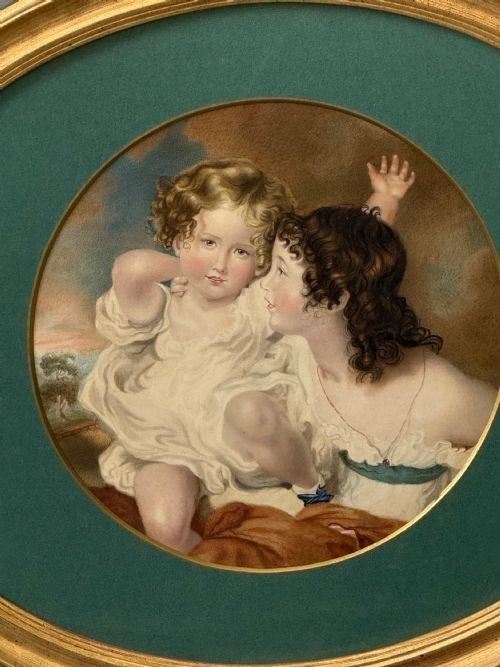
The subjects are primarily real individuals, ranging from military officers and nobility to children and family groups. Commissioned likenesses recorded family members, spouses, and children for personal remembrance.
Some pieces also depict historical figures such as Mary, Queen of Scots, or Mughal emperors, reflecting wider artistic and cultural interests of the period.
How do I care for a watercolor miniature?
These pieces require protection from direct sunlight to prevent the watercolour pigments from fading over time. Keeping them in stable, moderate humidity preserves the delicate paper and prevents mould or foxing.
Avoid opening the sealed frames, as exposure to dust and moisture can damage the fragile painted surface inside.
How can I tell the period of a miniature?
Clothing styles, hairstyles, and framing techniques offer the clearest clues to dating a portrait. High-waisted dresses and soft curls often indicate the Regency period, while elaborate lace and powdered wigs point towards the eighteenth century.
Backings, frame construction, and signatures, when present, help narrow the date further within the Georgian or Victorian eras.