





Georgian Locket Pendant
These georgian locket pendant pieces combine miniature portraiture with precious metal work, offering a tangible connection to past eras that collectors prize.
Georgian Locket Pendant
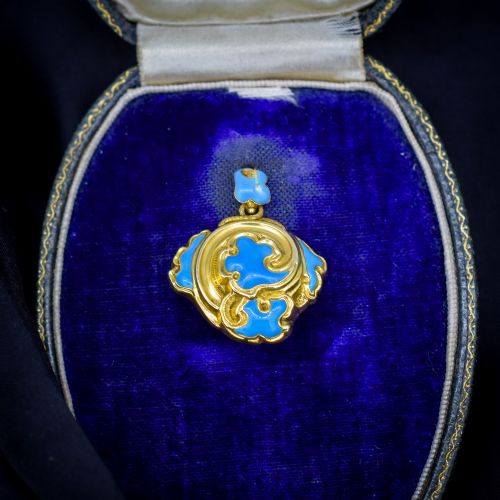
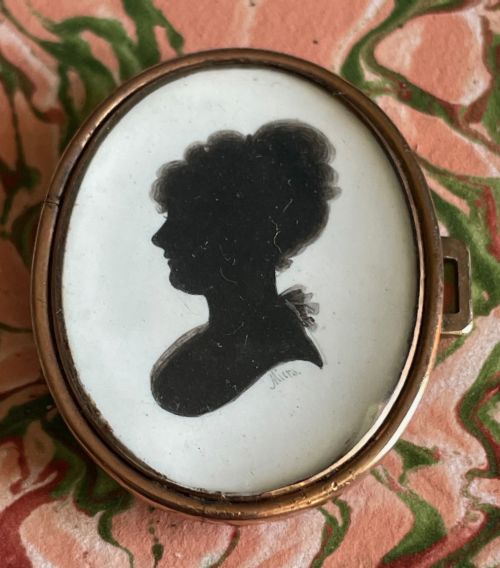
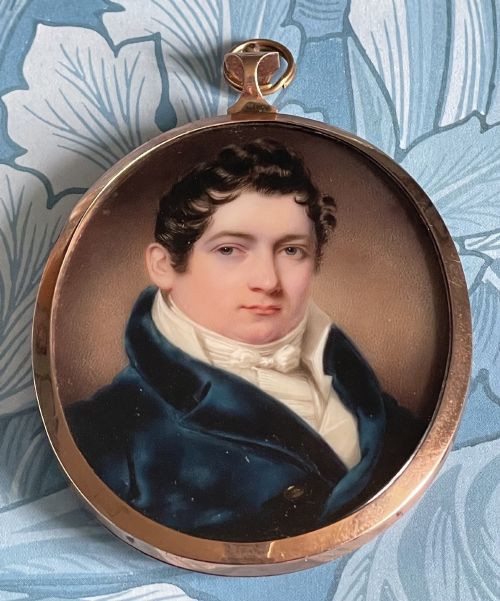
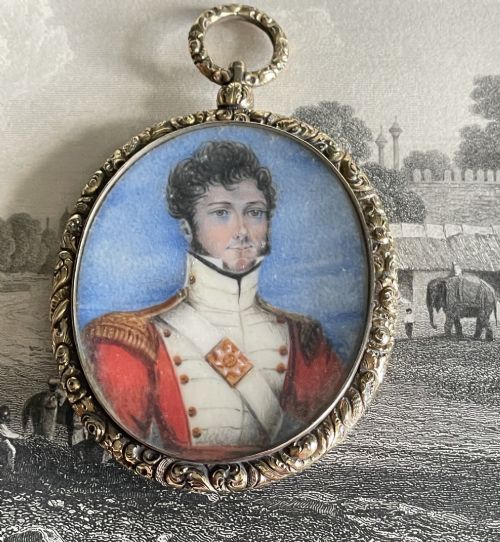
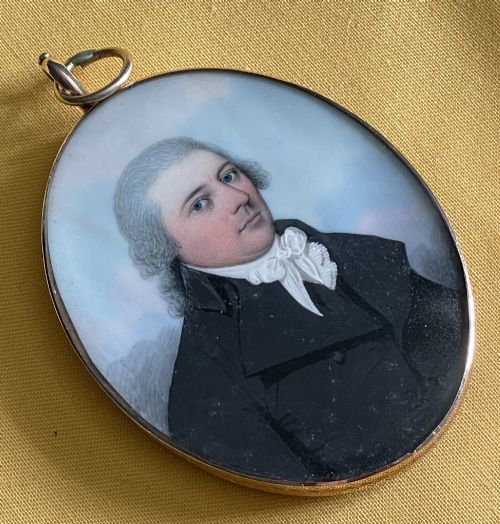
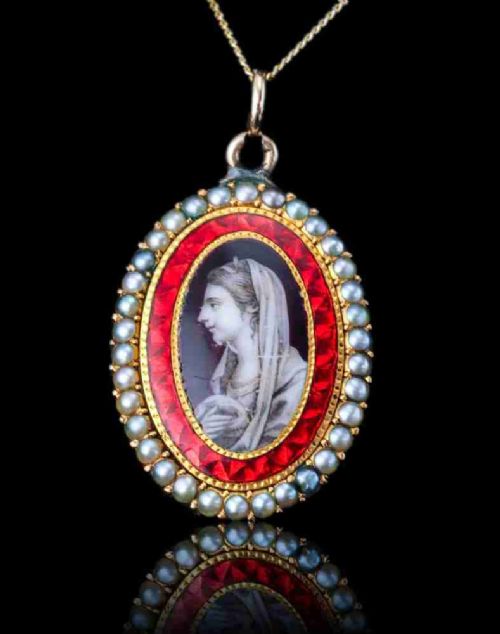
A georgian locket pendant brings together wearable jewellery and portable art, often taking the form of a framed portrait miniature or a mourning compartment. The selection spans the eighteenth and nineteenth centuries, including Regency examples and pieces featuring enamel or silhouette work.
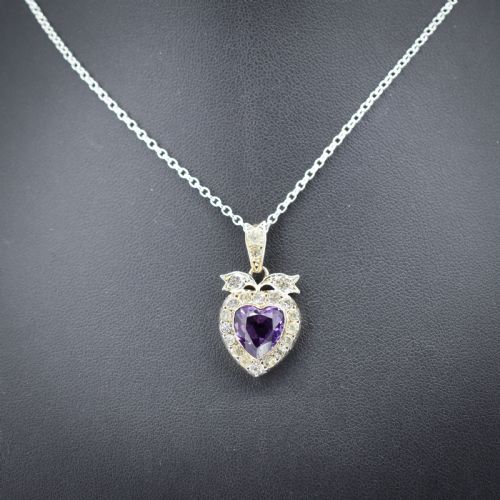
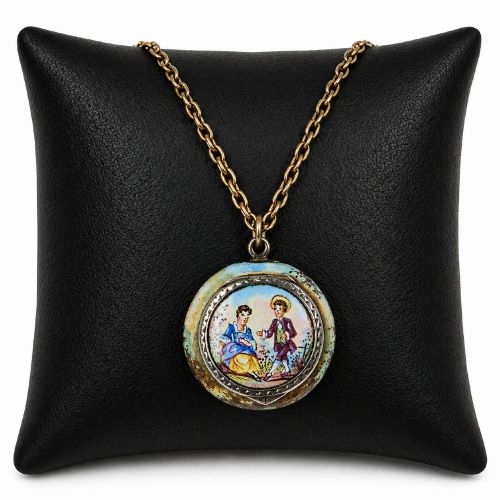
Most items on this page lean heavily towards gold frames, ranging from nine carat to eighteen carat gold, alongside silver gilt and gilt metal options. Buyers encounter round lockets with engine turned detail, heart shaped paste necklaces, and double sided Viennese enamel pieces.
Portrait miniatures on ivory, vellum, glass, and agate form a substantial part of the groupings. These sit alongside mourning pieces incorporating turquoise blue enamel, hair work, and sepia painted scenes.
How They Were Made
Goldsmiths shaped frames from gold, silver gilt, and gilt metal, frequently employing engine turning to create geometric patterns on the metal surface. Glass protected delicate painted surfaces, while paste stones provided sparkle in silver and gold settings.
Artists utilised watercolour, pigment, and enamel to paint portraits on materials such as ivory, vellum, glass, and agate panels. Hair work and sepia pigments were carefully arranged inside mourning compartments behind glass panels.
Makers constructed hinges and bezels by hand, securing miniature paintings within heavy gold or silver frames designed to be worn around the neck or as fob pendants.
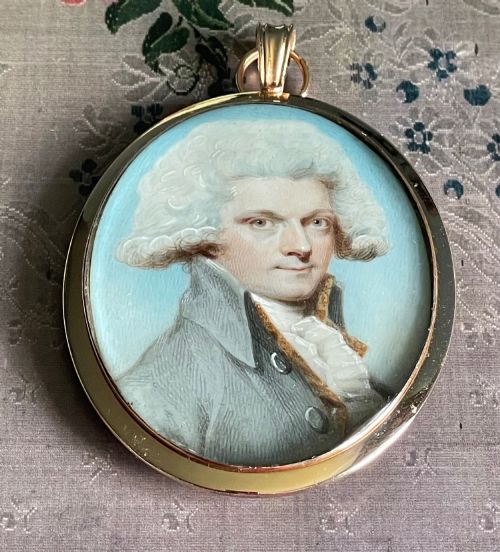
A British naval officer painted on an agate panel keeps permanent watch from his eighteenth century gold frame.
What Varies in Quality
The complexity and weight of the metal mounting also play a part, with substantial gold frames and intricate engine turned or floral detailing showing superior craftsmanship. Preservation of the original glass, enamel, and internal compartments remains vital to the integrity of the object.
Henry Bone ARA·Samuel Pemberton·Charles Shirreff·John Miers·John C D Engleheart·Christian Friedrich Zincke·Charles Hayter·George Engleheart·James Ferguson·William Grimaldi·John Inigo Wright·Samuel Cotes·AE Chalon·John Barry
The Georgian Locket Pendant Glossary
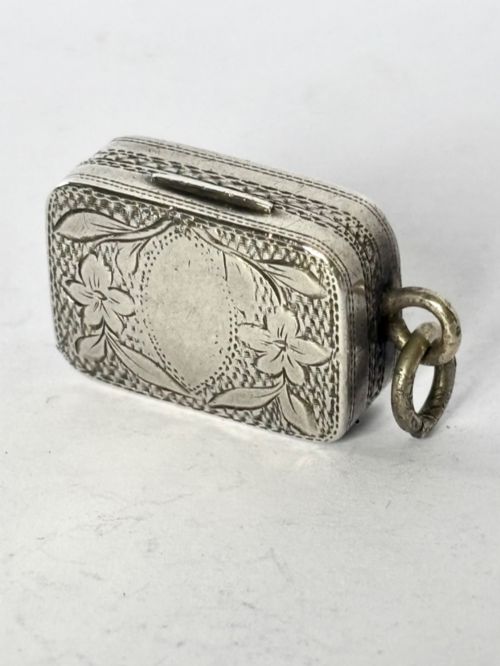
- Vinaigrette
- A small metal container holding a sponge soaked in aromatic vinegar, often designed to be worn as a pendant. These pieces date predominantly to the Georgian period and feature pierced internal grilles.
- Portrait Miniature
- A small, highly detailed painting on ivory, vellum, or card, executed with fine brushes. They were frequently mounted in lockets or frames to be worn close to the heart.
- Paste
- Hand cut lead glass used to imitate gemstones in antique jewellery. Old cut paste stones are set in silver and gold to catch the candlelight.
- Engine Turned
- A mechanical decoration technique producing intricate geometric patterns on metal surfaces. This method was widely utilised on gold lockets during the Georgian and Regency eras.
- Silhouette
- A solid black profile portrait, often painted on glass or card. Artists such as John Miers specialised in this distinct form of miniature likeness.
Georgian Locket Pendant: Frequently Asked Questions
How do I wear a georgian locket pendant safely?
Most antique lockets look best suspended from a simple chain that complements the gold or silver tone of the original frame. Ensure the suspension loop and jump rings remain secure before daily wear.
Because many examples contain fragile glass panels or painted ivory miniatures, avoid exposing them to moisture, perfumes, or harsh chemicals. Store them flat in a lined box when not being worn.
What is inside a mourning locket?
Mourning pieces frequently house finely woven locks of human hair, arranged in decorative patterns behind protective glass. Some also contain sepia painted scenes or miniature inscriptions commemorating loved ones.
These interior elements reflect the sentimental traditions of the Georgian and Victorian eras, where remembrance took highly personal, wearable forms.
How can I tell a portrait miniature period?
Costume, hair styling, and framing techniques offer the clearest clues to dating a miniature portrait. Eighteenth century portraits often feature powdered wigs and specific neckwear styles, while Regency pieces display distinct neoclassical dress.
The materials used for the support, such as ivory panels or vellum, alongside the construction of the gold frame, help narrow down the decade of creation.
What is engine turned detail?
Engine turning is a precise decorative technique where a geometric pattern is mechanically engraved into metal. On these pieces, it adds texture and catches the light on gold surfaces.
This method became popular during the Regency period and appears frequently on round gold lockets alongside floral chased borders.