


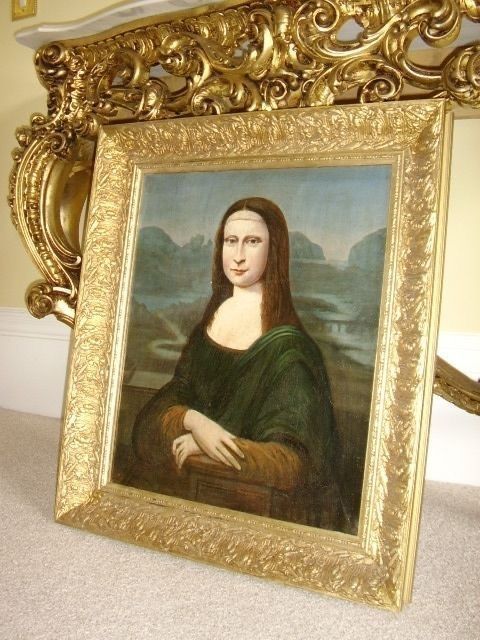
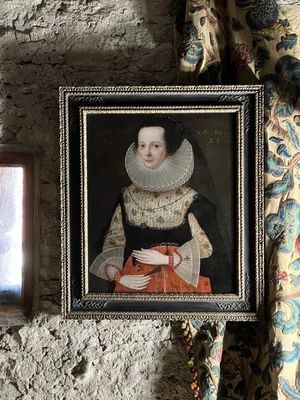
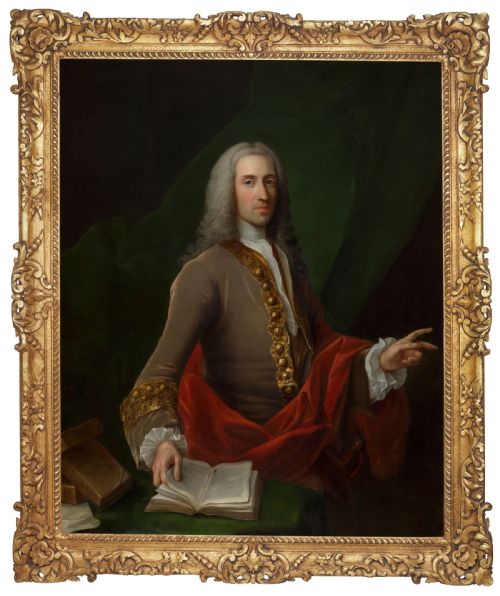
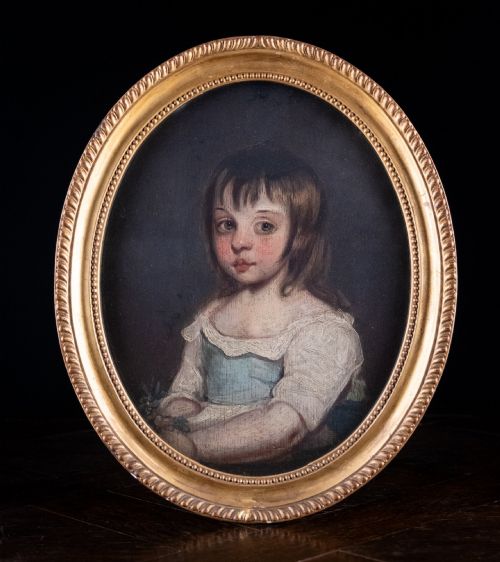
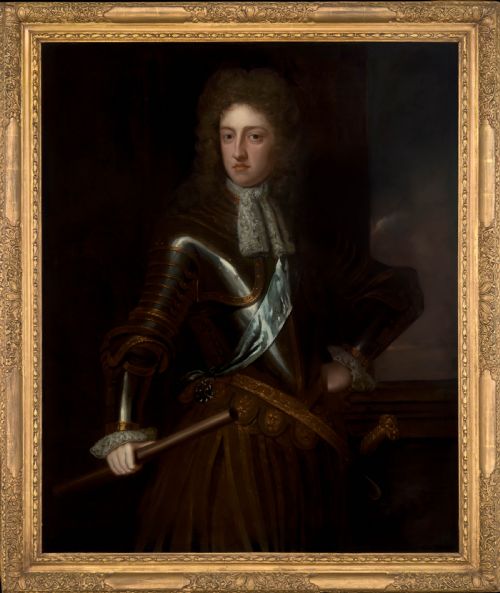
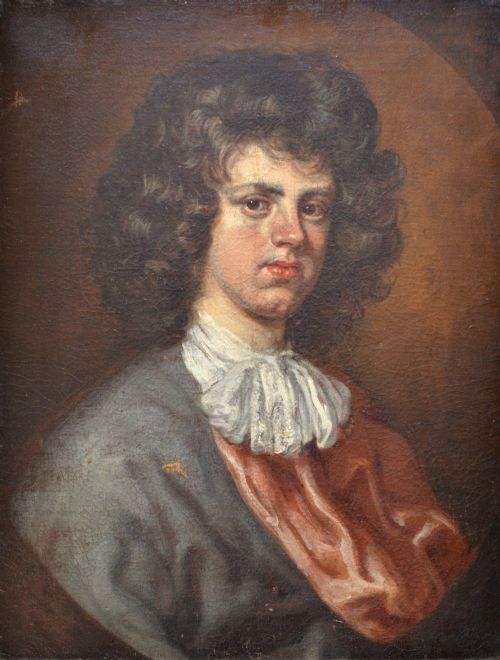
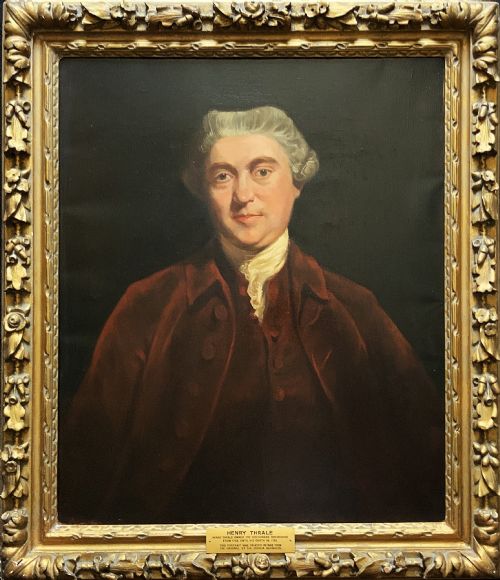
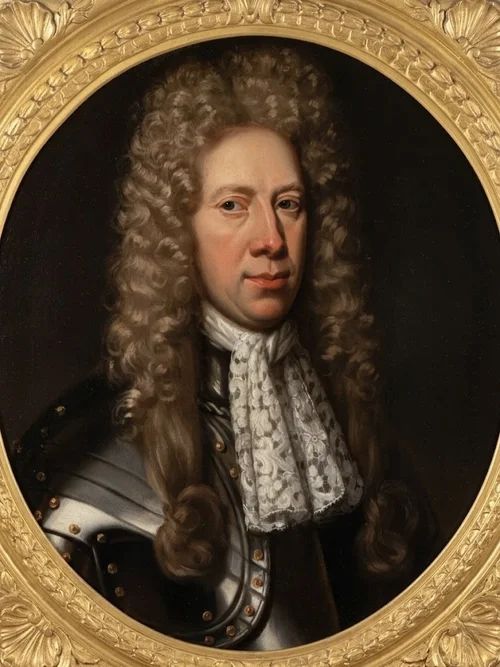
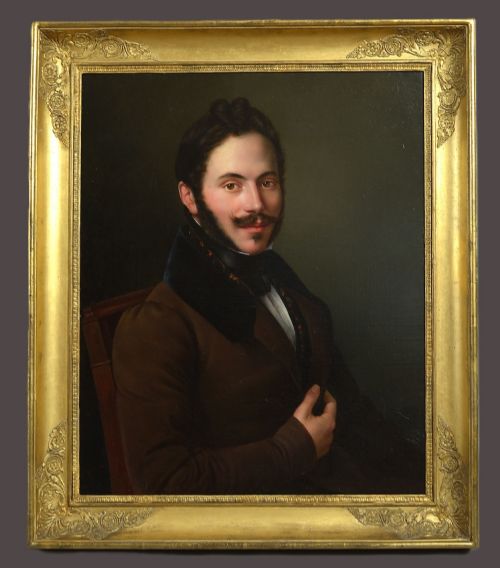
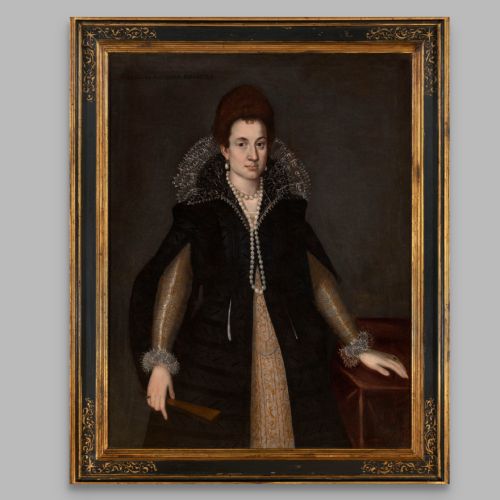
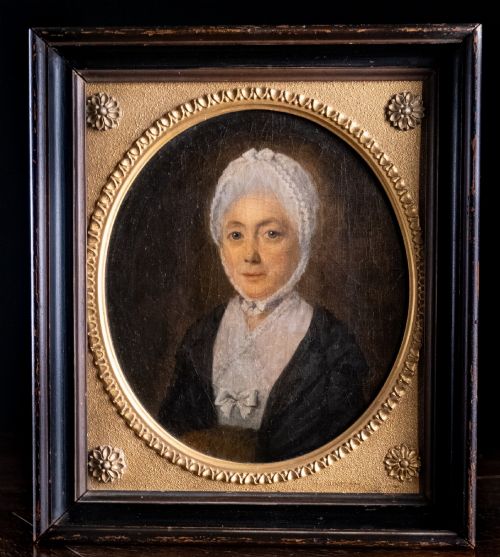
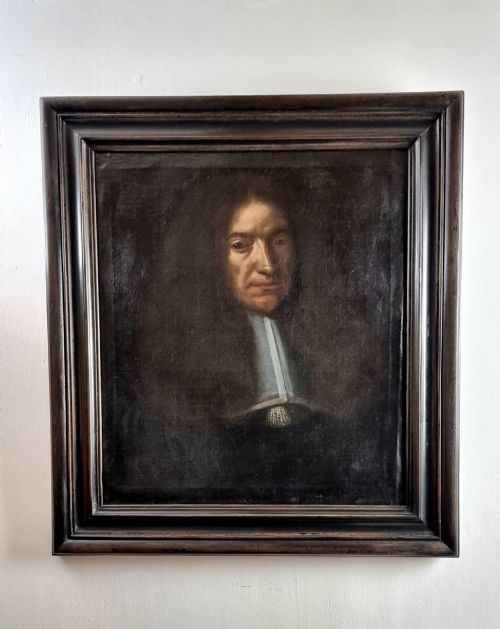
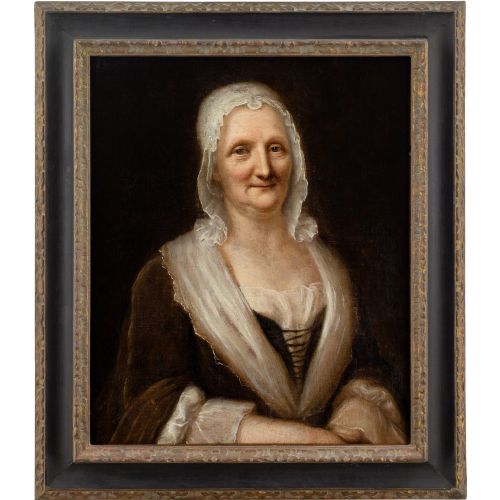
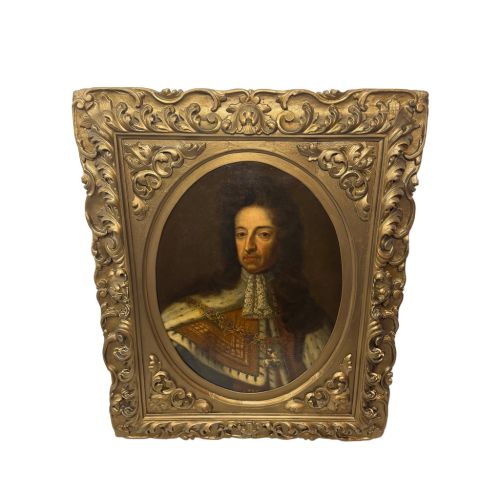
Historic Portrait Oil Painting
A historic portrait oil painting brings centuries of character into a room through the careful brushwork of past masters.
Historic Portrait Oil Painting
A historic portrait oil painting captures the likeness and status of sitters ranging from nobility to country gentlemen across centuries of European and British art. When exploring historic portrait oil painting, buyers encounter works originating from the seventeenth century through to the nineteenth century, including distinct Georgian and Regency pieces.
The subjects span formal depictions of judges, military officers, and physicians, alongside anonymous studies of ladies and gentlemen. Canvas and panel formats predominate, often housed within their original giltwood or carved wooden frames.
Materials and Technique
These works rely on oil paint applied to prepared canvas or wooden panels, utilising the slow-drying nature of oils to build depth and subtle tonal gradation. Painters layered pigments to render rich fabrics, lace jabots, and flesh tones with remarkable durability.
Many surviving examples retain their period frames constructed from wood and finished with gold leaf or gilded wood, completing the structural integrity of the artwork.
Historic Portrait Oil Painting Retail Price Guide 2026
Typical asking prices for historic portrait oil painting among the pieces listed under this phrase on Sellingantiques today, from the lower quarter to the upper quarter. They describe what is for sale here now, not the wider market.
Current listings feature works executed in oil paint upon canvas and wood panels across the seventeenth, eighteenth, and nineteenth centuries.
Factors That Determine Quality
Quality rests upon the anatomical precision of the hands and face, the sensitivity in capturing character, and the preservation of the original paint surface. Superior examples demonstrate confident brushwork in complex details like drapery and lace.
The survival of the untouched canvas, stable ground layers, and the matching period frame add considerably to the historical integrity of the piece.
Sir William Beechey·Jeremiah Davison·Sir Godfrey Kneller·Mary Beale·John Scougall·Edouard Pingret·Pietro Fachetti·Joseph Highmore·John Greenhill
The Historic Portrait Oil Painting Glossary
- Oil on Canvas
- Pigments suspended in a drying oil medium and applied to a stretched woven fabric support. This combination allowed artists to create rich textures and lasting colour.
- Giltwood
- Wood carved and coated with gold leaf or metallic powder. It forms the decorative framing typical of high-status historic portraits.
- Panel
- A flat wooden board used as a rigid painting surface before canvas became dominant. These substrates often exhibit early age splits that confirm their antiquity.
- School
- A group of artists working in a particular region or following a specific master's style during a given era. Attributions often reference English, French, or Flemish schools.
- Baroque
- An artistic style spanning the seventeenth and early eighteenth centuries characterised by drama, deep shadow, and rich ornamentation. Portraits from this period emphasise grandeur and movement.
Historic Portrait Oil Painting: Frequently Asked Questions
How do I date a historic portrait oil painting?
Dating relies on the sitter's costume, hairstyle, and collar fashion, which changed rapidly across the seventeenth, eighteenth, and nineteenth centuries. Technical examination of the canvas weave and stretcher construction provides further chronological clues.
Inscriptions on the reverse or period framing elements frequently record the identity of the sitter and the year the work was executed.
Where should I hang an oil portrait?
Select a wall away from direct sunlight and fluctuating heat sources, such as radiators or open fireplaces, to protect the oil paint and canvas. Stable indoor humidity prevents warping in the wooden stretcher and panel supports.
Position the painting at eye level where adequate ambient light can reveal the subtle tones of the subject's face and clothing.
What is the difference between an artist and a school?
An attributed work is directly linked to a named master through documented style, signature, or provenance. Pieces assigned to a specific school reflect the prevailing methods and workshop practices of a region rather than one specific hand.
Both categories offer genuine period craftsmanship, though direct attributions often carry distinct art-historical records.