
Dark Oil Painting Gentleman
A dark oil painting gentleman brings sombre atmosphere and profound character into a room through deep chiaroscuro and historic portraiture.
Dark Oil Painting Gentleman
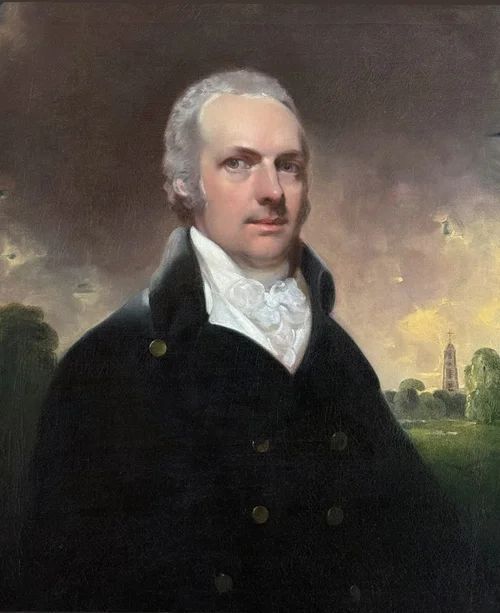
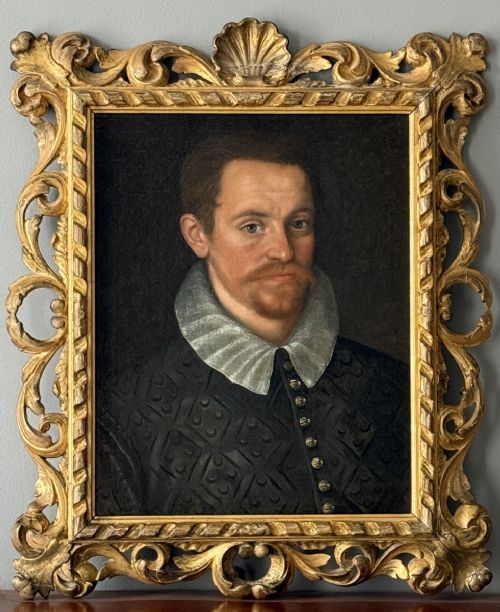
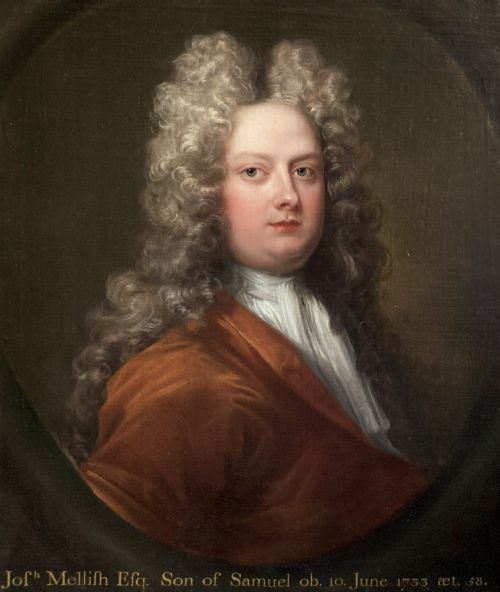
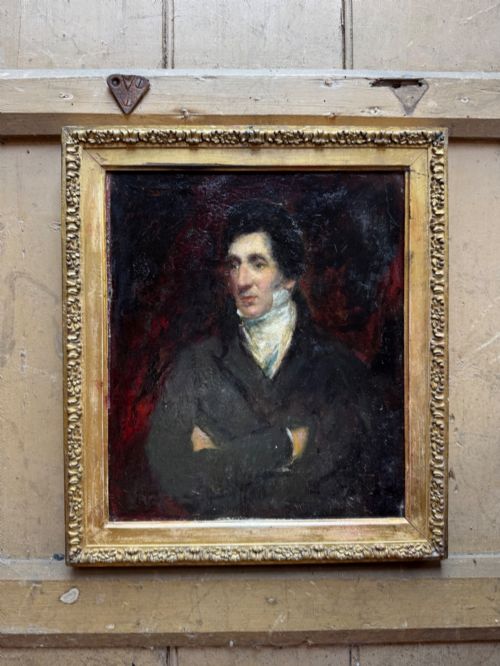
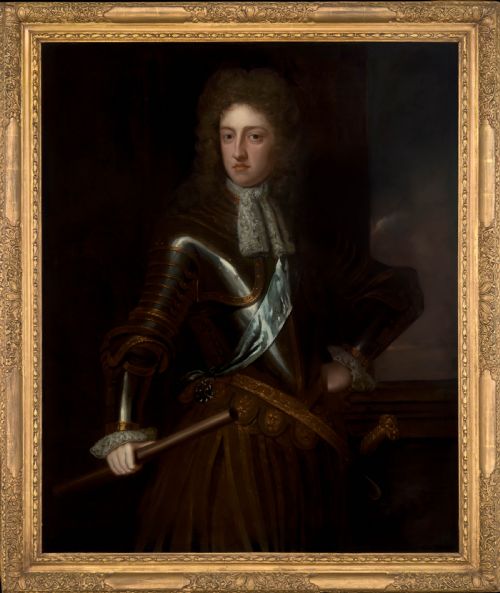
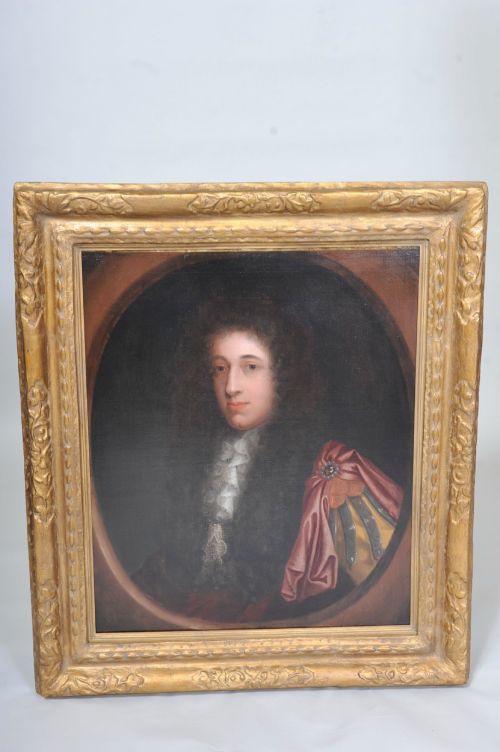
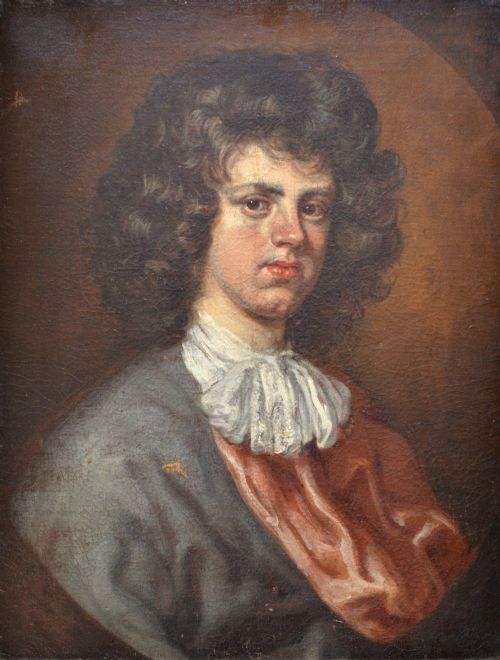
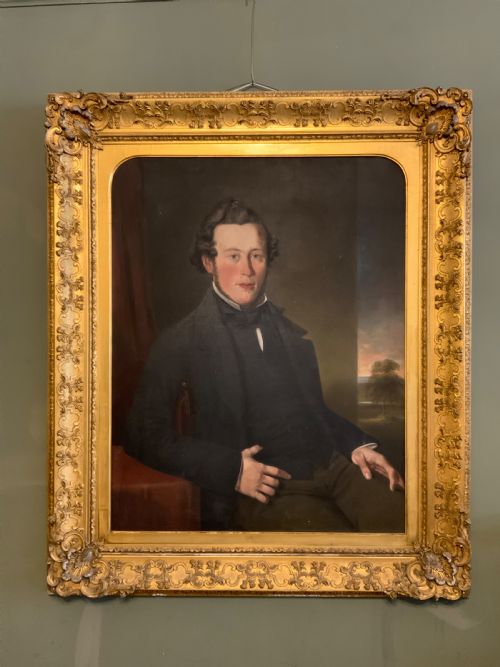
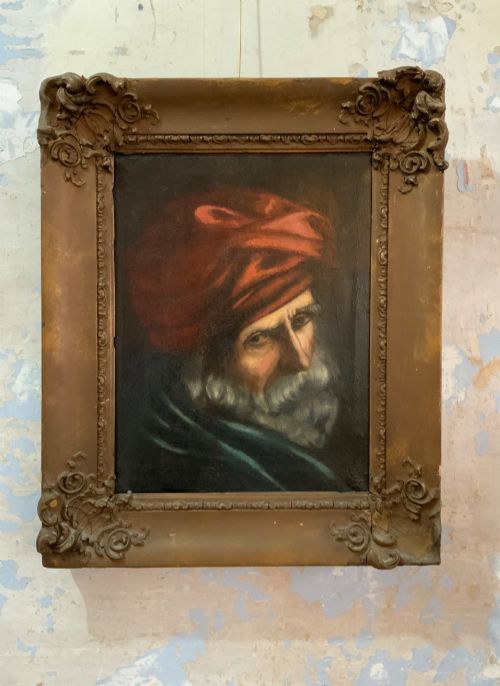
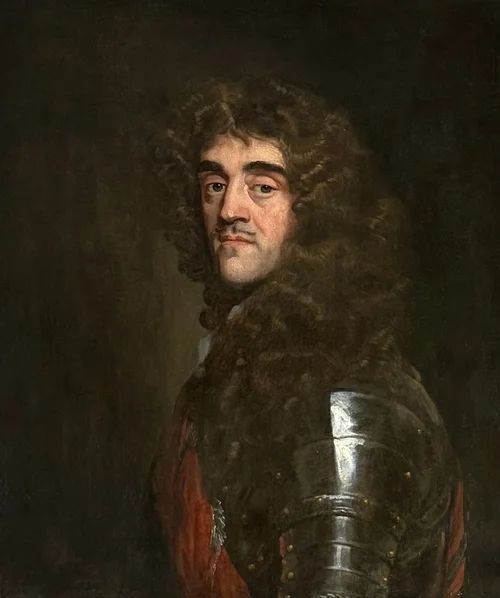
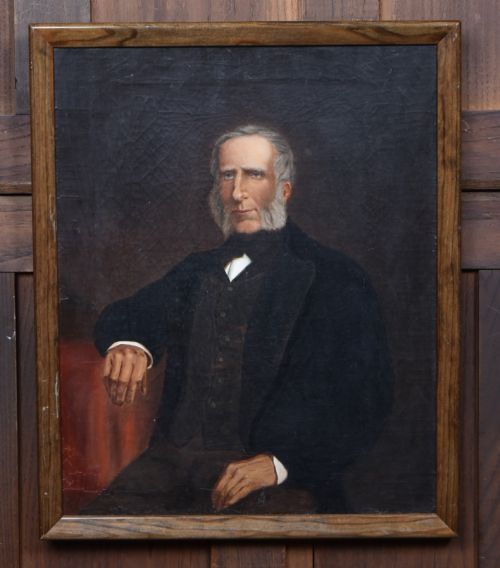
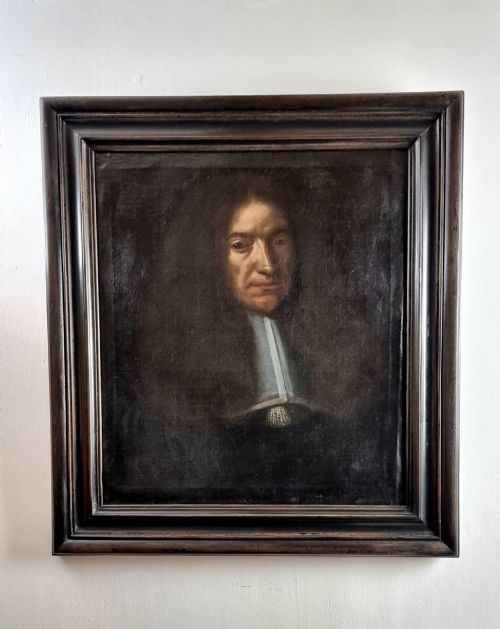
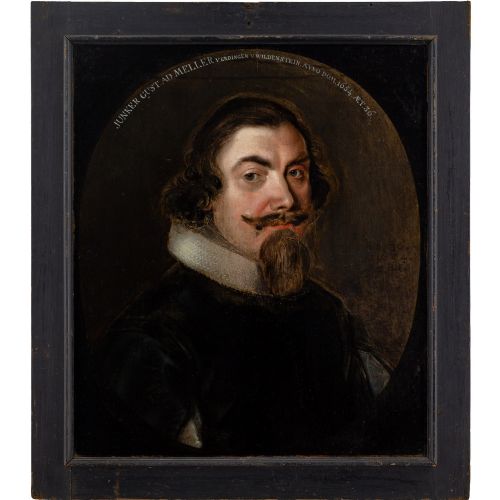
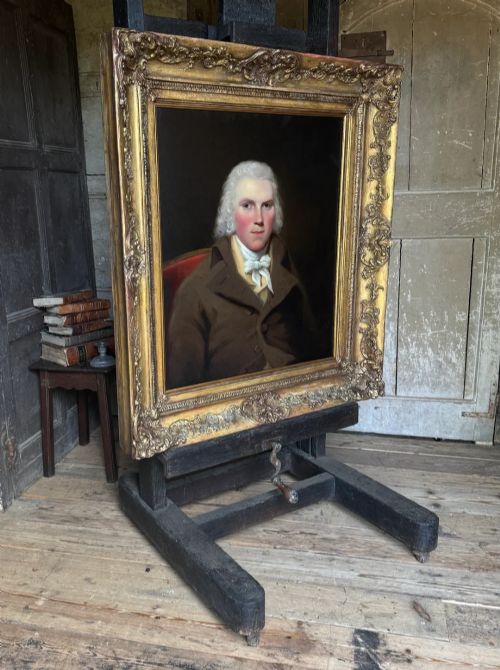
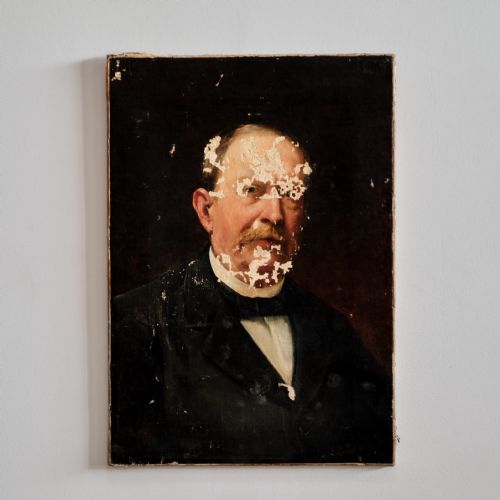
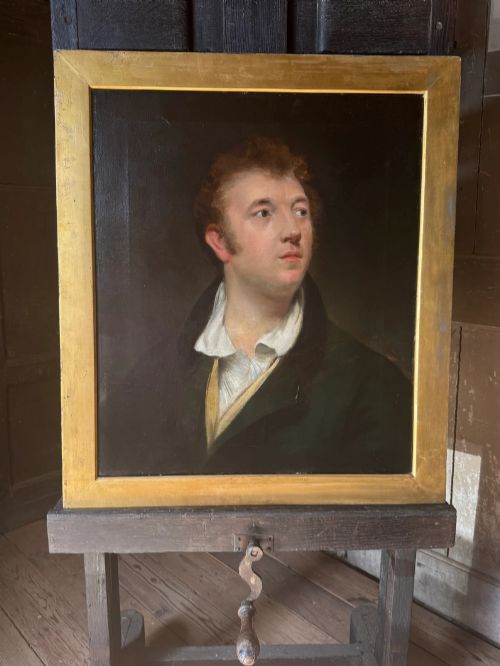
A dark oil painting gentleman depicts male subjects rendered in subdued, shadowy palettes originating primarily from the seventeenth, eighteenth, and nineteenth centuries. These works include formal likenesses of judges, noblemen, scholars, and cavaliers captured on canvas or board.
Most examples encountered here stem from the seventeenth and nineteenth centuries, spanning distinct stylistic movements from the Dutch Golden Age to Victorian realism. Subjects appear as half-length studies, bust portraits, or seated figures wearing period attire such as ruffs, doublets, and armour.
The aesthetic relies on dark backgrounds that push the sitter forward, creating dramatic contrast through restrained lighting reminiscent of Baroque traditions. Buyers seek these pieces for their historic gravitas and the striking presence they lend to domestic interiors.
Materials and methods
Artists painted primarily with oil paint upon stretched canvas or wooden panels, building rich layers of pigment to achieve deep, luminous shadows. Ground layers were often kept dark to absorb light and enhance the nocturnal quality of the composition.
Many surviving pieces retain their original or period frames constructed from wood, giltwood, and gilt gesso, which provide structural support and complement the dark tones of the artwork.
Listings incorporate oil on canvas and oil on board works spanning the seventeenth to the twentieth centuries.
Evaluating quality and execution
Quality rests upon the artist's ability to render facial expression and anatomical precision through confident brushwork rather than mere darkness of palette. Finer works capture the psychological depth of the sitter, while simpler pieces rely on formulaic composition.
Charles Jervas·Sir Godfrey Kneller·Mary Beale·John Greenhill·William Beechey·Michael Dahl·George Watson
The Dark Oil Painting Gentleman Glossary
- Chiaroscuro
- The use of strong contrasts between light and dark, usually bold contrasts affecting a whole composition. This technique defines the moody shadows characteristic of these historic portraits.
- Doublet
- A man's short close-fitting jacket worn during the Renaissance and seventeenth century. Its detailed embroidery often helps date early portraiture.
- Gilt gesso
- A plaster-like material applied to wood frames and coated in gold leaf. It provides ornate decoration that frames the dark canvas.
- Craquelure
- A network of fine cracks in the paint surface caused by age and drying processes. It serves as an indicator of genuine antiquity in oil paintings.
- Cavalier
- A supporter of King Charles I during the English Civil War, often depicted with long hair and lace collars. This term describes a specific military fashion seen in seventeenth-century art.
Dark Oil Painting Gentleman: Frequently Asked Questions
How should I hang a dark oil painting gentleman?
Position the artwork on a wall receiving indirect natural light to prevent glare on the varnished surface. Pairing the piece with neutral wall colours helps the sombre tones stand out effectively.
Ensure the hanging height places the subject's eyes at roughly eye level for optimal viewing. Secure the heavy giltwood frame safely using appropriate wall fixings suited to older timber construction.
What periods do these portraits represent?
The selection spans from the seventeenth century through the Georgian and Regency eras up to the Victorian period. Earlier examples often feature baroque lighting and formal attire, while later works show looser nineteenth-century brushwork.
Reviewing the costume, such as ruffs or cravats, provides a reliable guide to the decade of creation. School attributions also help connect unsigned canvases to specific artistic traditions of the past.
Why are the backgrounds so dark?
Artists utilised dark grounds and deep shadow to emulate theatrical lighting and focus attention entirely upon the sitter's face and hands. This technique derives from seventeenth-century European painting traditions.
Over the centuries, certain dark pigments and varnishes have aged and darkened further, enhancing the moody atmosphere. This natural ageing process contributes significantly to the historic charm of the artwork.