

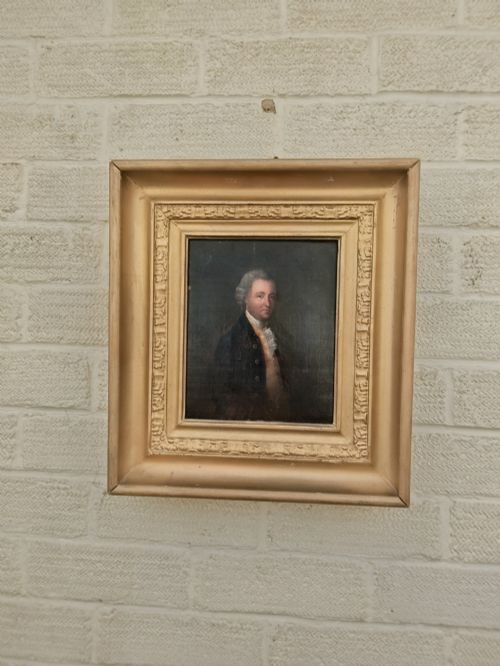
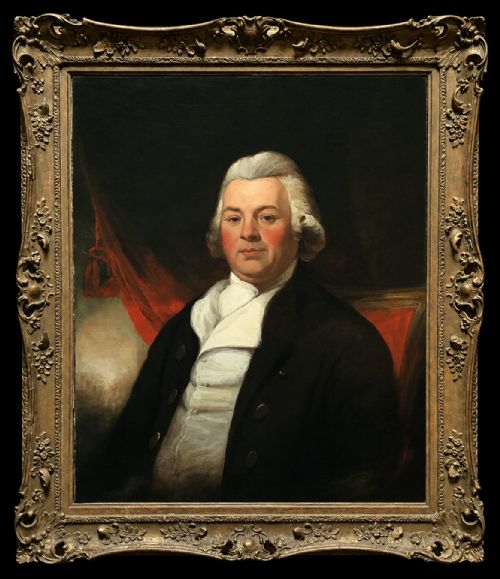


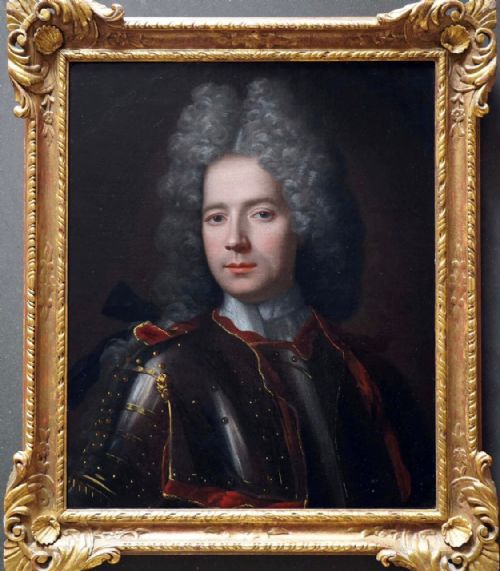


Georgian Era Male Painting
A georgian era male painting brings quiet presence to a room, showing gentlemen, officers and nobility rendered in oils across the eighteenth and nineteenth centuries.
Georgian Era Male Painting
A georgian era male painting captures individual likenesses through oil on canvas, depicting subjects ranging from distinguished gentlemen and officers to noblemen and physicians. These works span the eighteenth and nineteenth centuries, taking in periods such as the Regency and French Empire alongside British schools.
The compositions present sitters in various formats, from detailed bust portraits to larger canvases. German, Austrian and French schools appear alongside British works, offering a broad view of European portraiture from the era.
Materials and construction
The technique relies on layered oil applications typical of the eighteenth and nineteenth centuries, capturing light on skin and textiles through careful tonal graduation.
Listings feature works spanning the eighteenth and nineteenth centuries, executed in oil on canvas and housed in giltwood frames.
Distinctions in quality
Quality rests in the precision of the brushwork and the psychological depth of the sitter's expression, separating competent studio output from works by accomplished portraitists. Finer examples capture texture in fabrics like lace and velvet with distinct clarity.
The preservation of the original canvas and the quality of the surrounding giltwood or gold leaf frame contribute to the overall integrity of the piece.
Sir William Beechey R.A·George Watson·Jonathon Richardson·Michael Dahl·William Robinson·John Opie·Lemuel Francis Abbott·Thomas Jones Barker
The Georgian Era Male Painting Glossary
- Oil on canvas
- A painting medium where pigments suspended in drying oil are applied to stretched fabric. This combination provides durability and allows for subtle blending of tones.
- Giltwood
- Wood carved and coated with gold leaf or gold paint. It frequently forms the decorative frames enclosing these portraits.
- Regency
- A period in British history spanning the early nineteenth century, characterised by specific aesthetic developments in art and furniture. Portraits from this era reflect distinct shifts in fashion and posture.
- Jabot
- A decorative ruffle or lace trim attached at the collar of a shirt. It appears frequently in eighteenth-century male portraits to denote the sitter's status.
Georgian Era Male Painting: Frequently Asked Questions
How do I date a portrait?
Dating relies on the sitter's clothing, hairstyle, and the stylistic conventions of the painting school. Details such as coat cuts and neckwear provide reliable chronological markers.
Frame styles and canvas stamps also offer clues, though frames are frequently replaced over the centuries.
Where were these paintings hung?
These portraits traditionally hung in the libraries, drawing rooms and galleries of country houses and town residences. They served to record lineage, status and professional achievement.
Today, they function well in study spaces or living rooms, bringing historic character to domestic interiors.
How do I care for an oil painting?
Keep paintings away from direct sunlight, high humidity and dramatic temperature fluctuations to protect the canvas and paint layers. Gentle dusting with a soft, dry brush is sufficient for maintenance.
Avoid using water or cleaning solutions on the paint surface.
What is the difference between British and European schools?
British works often emphasise direct realism and individual character, reflecting the traditions of portraiture established by domestic artists. French, German and Austrian pieces frequently incorporate different compositional tones and palette choices.
Both traditions share a reliance on oil on canvas as the primary medium.