

Canvas Portrait of Gentleman
A canvas portrait of gentleman brings centuries of presence into a room through oil paint and woven fabric.
Canvas Portrait of Gentleman
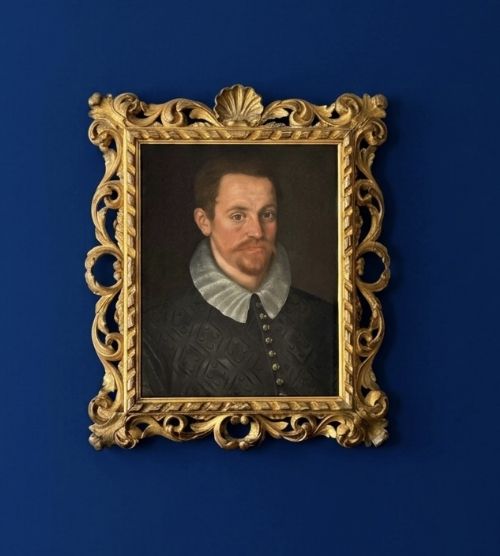
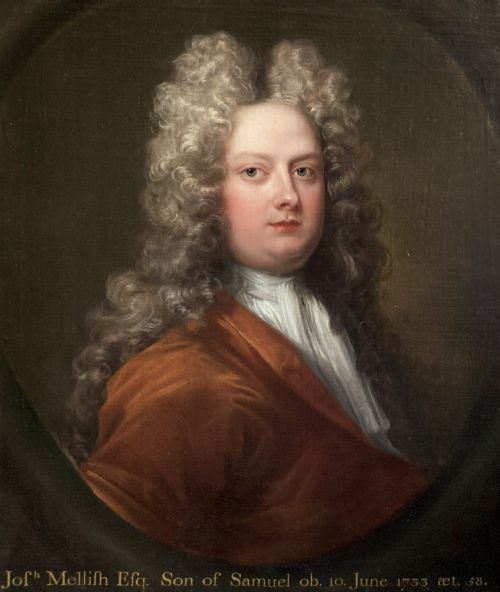
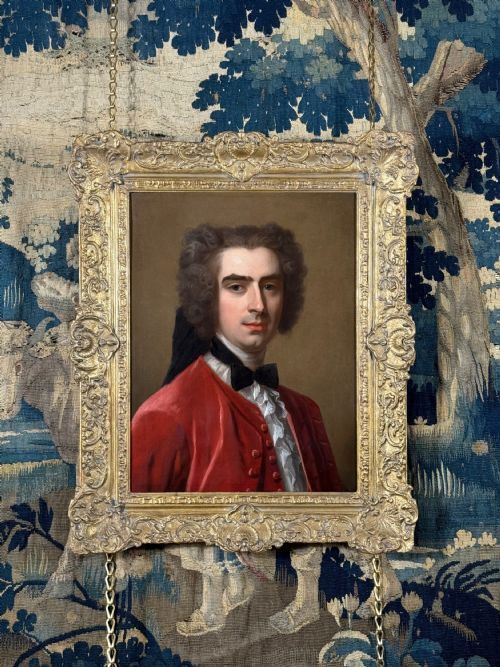
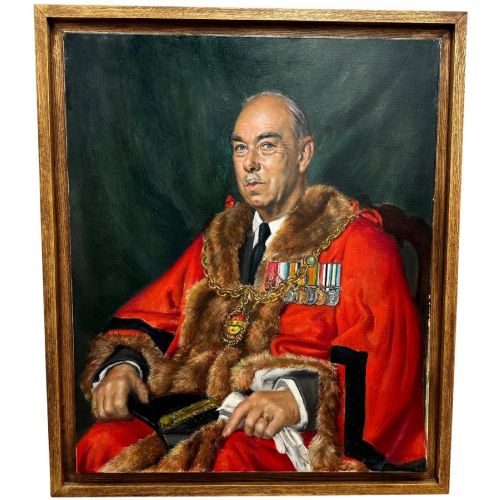
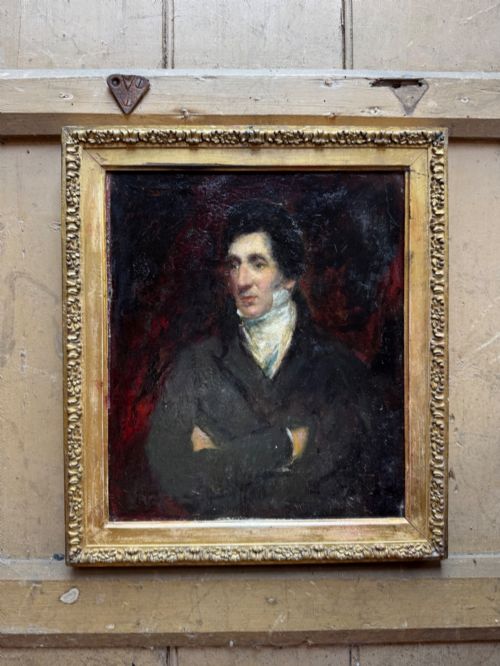
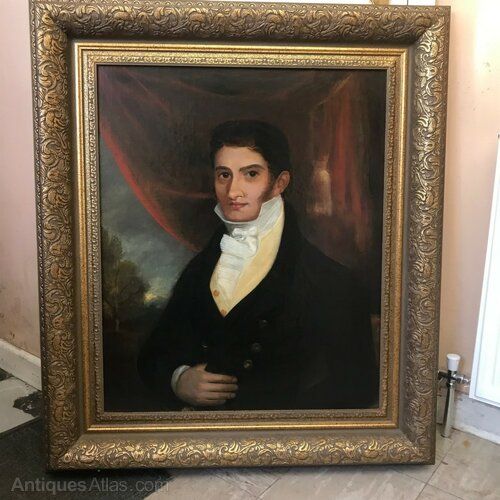
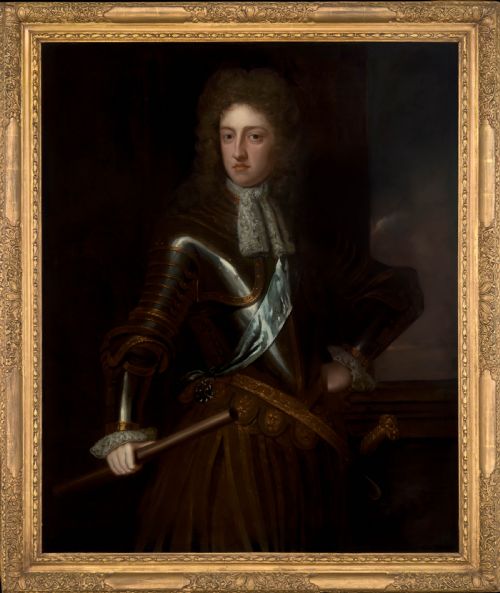
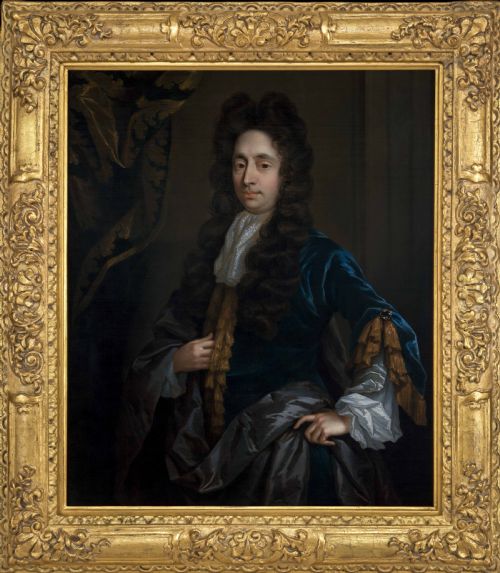
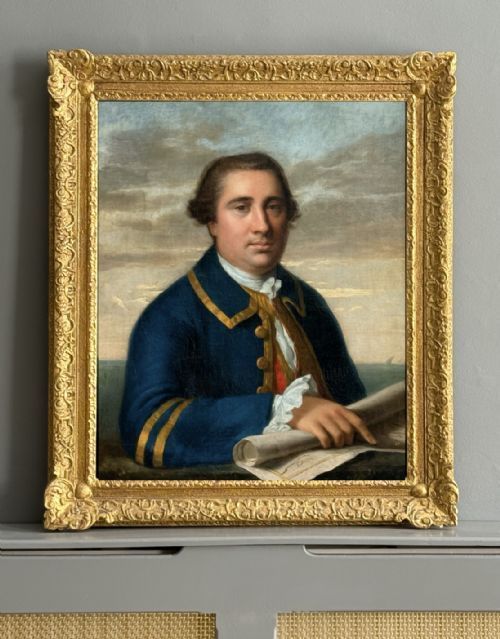
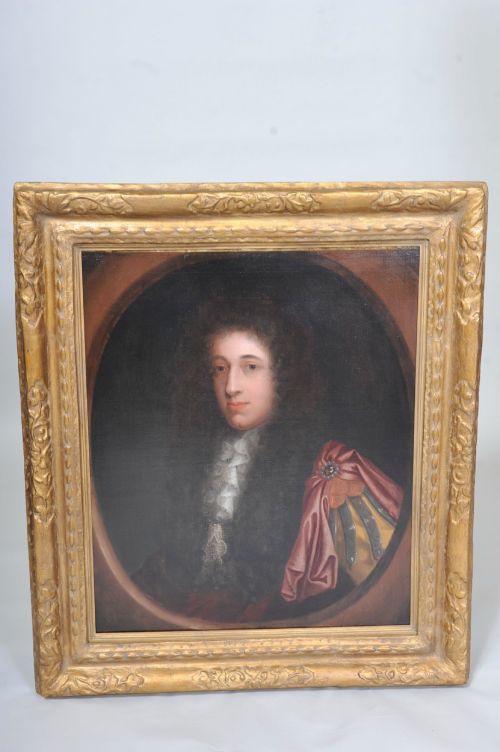
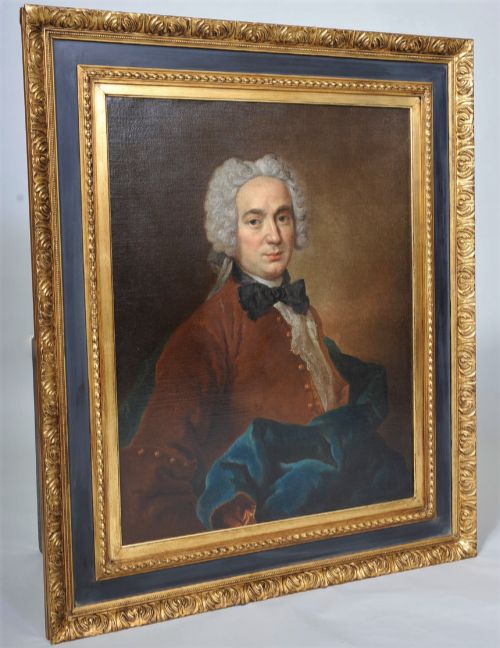
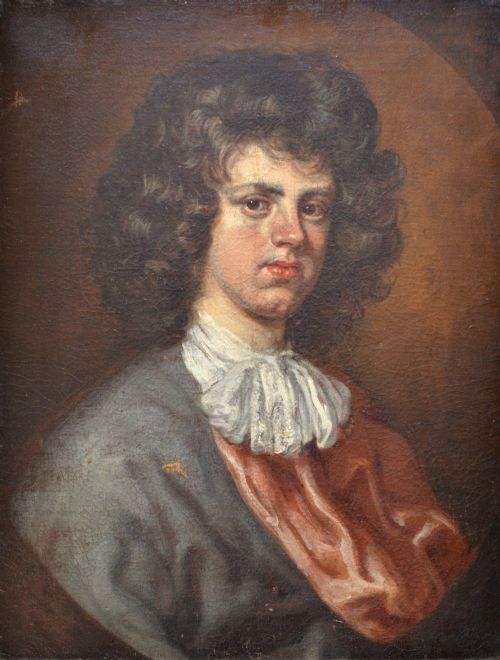
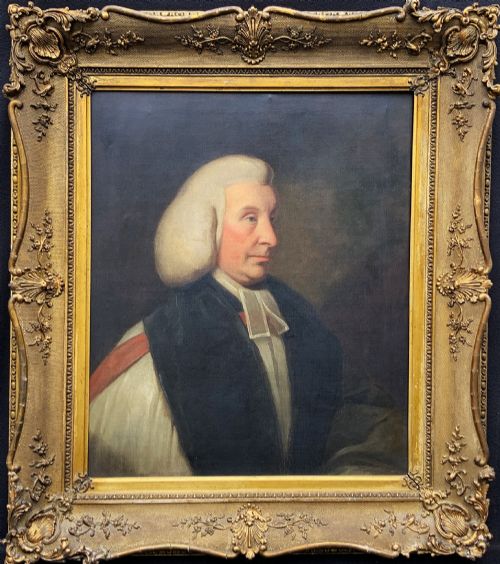
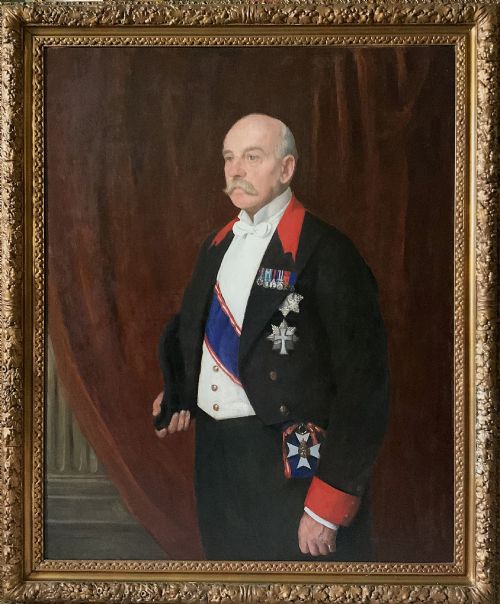
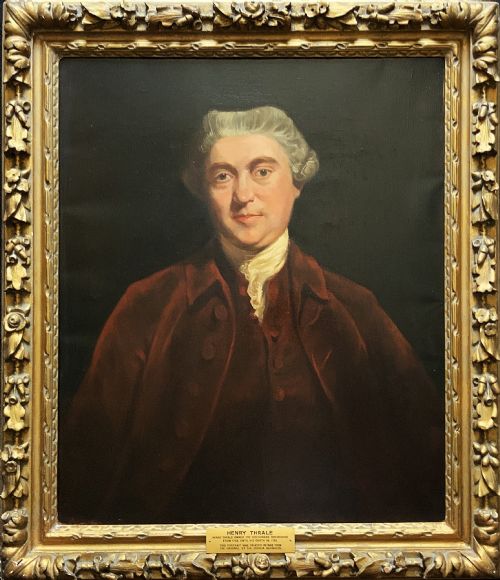
Buyers examining a canvas portrait of gentleman encounter works spanning from the seventeenth century through the twentieth century, with strong representation from the Georgian and Regency eras. Subjects appear in formal attire, military uniforms, or academic robes, often rendered half-length or seated beside curtains and tables. These paintings originate from British, Continental, and Anglo-Dutch schools, capturing figures from nobility to merchants.
The sixteenth and seventeenth-century pieces frequently display sitters in armour, lace cravats, or heavy cloaks, reflecting Baroque sensibilities. Eighteenth-century examples move toward rococo refinement with lighter colour palettes and detailed waistcoats. Nineteenth-century works shift into realism, portraying Victorian gentlemen, military officers, and civic leaders with direct gazes.
Materials and construction methods
Artists painted these works primarily using oil paint applied to stretched canvas, often supported by wood stretchers and framed in giltwood or gold leaf mouldings. The preparation involved sizing the raw canvas with a ground layer before building up pigments in glazes and opaque layers. Some later works utilise oil on board or canvas applied to board.
Frames play a structural and aesthetic role, frequently contemporary to the painting or period-appropriate. Canvases remain unlined or receive conservation lining depending on their age and structural survival through the centuries.
The listings span from the seventeenth century through the twentieth century, recording oil on canvas, gold leaf, and giltwood materials.
Distinguishing quality across the range
Quality rests in the handling of facial expression, fabric textures, and anatomical proportion by the artist or studio. Master works capture lifelike depth in the eyes and subtle play of light across velvet, silk, or steel armour, whereas lesser studio pieces rely on formulaic drapery and rigid postures.
The preservation of the original paint surface and canvas tension dictates the visual impact. Works retaining untouched glazes and minimal overpaint offer stronger historical integrity than heavily restored canvases.
Charles Jervas·Jean-Baptiste Van Loo·Bernard Hailstone·Sir Godfrey Kneller·Constantyn Netscher·Lemuel Francis Abbott·Mary Beale·Thomas Murray·John Scougall·Sir Joshua Reynolds·Edouard Pingret·John Greenhill·John Closterman·Allan Ramsay·Sir William Beechey·James Howe·John Michael Wright·W.D. Almond·Willem Wissing·John Baptiste de Medina·Johann Kerseboom·Hans Hysing·Charles D'Agar·Pierre Mignard·Robert Walker
The Canvas Portrait of Gentleman Glossary
- Oil on canvas
- Pigments suspended in a drying oil medium applied to a woven fabric support. This combination allowed artists to achieve rich tonal gradations and lasting durability.
- Giltwood
- Wood carved and covered with a thin layer of gold leaf or metallic powder. It forms the traditional ornate framing for fine portraiture.
- Periwig
- A voluminous artificial hair wig popular among men during the late seventeenth and early eighteenth centuries. Its presence helps date portrait sitters accurately.
- Studio of
- A term indicating the work was produced under the direct supervision or within the workshop of a master painter. Assistants often executed background elements while the master focused on the face.
- Impasto
- Paint applied thickly to a canvas so that it stands out from the surface. This technique creates physical texture and catches ambient light.
Canvas Portrait of Gentleman: Frequently Asked Questions
How do I date an old portrait?
Dating relies primarily on the sitter's costume, hair style, and collar design. Elements like periwigs, lace cravats, military uniforms, and cut coats provide reliable decades for the painting's creation.
Secondary clues include canvas preparation, stretcher construction, and the style of the giltwood frame. Attributions to specific artists or studios also narrow the timeframe to active working years.
What is the difference between studio work and attributed pieces?
Studio works were executed by assistants or pupils inside a master's workshop, often following the master's composition or preliminary sketches. These pieces maintain high technical standards under professional oversight.
Attributed works lack a signature but share stylistic traits, brushwork, and quality consistent with a known master's verified output. Experts assign these based on comparative stylistic analysis.
How should I hang and light an oil portrait?
Oil paintings require stable indoor humidity away from direct sunlight, heat sources, and damp exterior walls. Position the canvas at eye level where natural ambient light flatters the dark background tones.
Utilise low-heat picture lights equipped with LED bulbs to prevent thermal damage to the oil paint and canvas. Ensure the wall brackets securely support the weight of the heavy wooden frame.
Why do some portraits show men in armor?
Armour in seventeenth and early eighteenth-century portraits signified noble lineage, military command, and aristocratic status. Even men without active military service wore breastplates to project authority and martial virtue.
This portrait convention derived from classical traditions of heroism, persisting until changing civilian fashions favored velvet coats, waistcoats, and informal robes.