



Regency Portrait Art
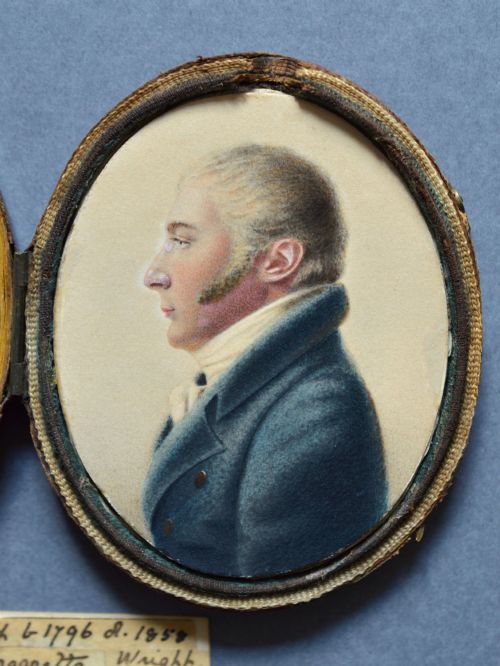
Regency portrait art captures the likeness and character of individuals through oils, watercolours, and silhouettes produced during a distinct period of aesthetic refinement.
Regency Portrait Art
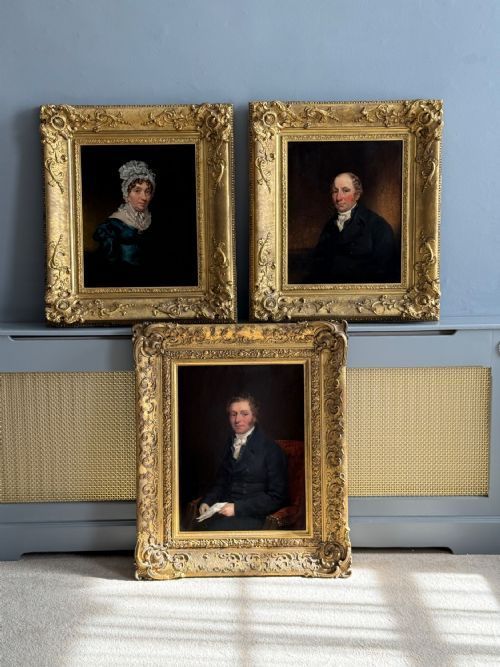
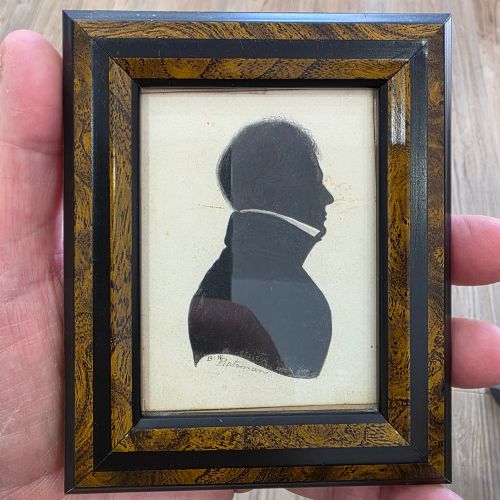
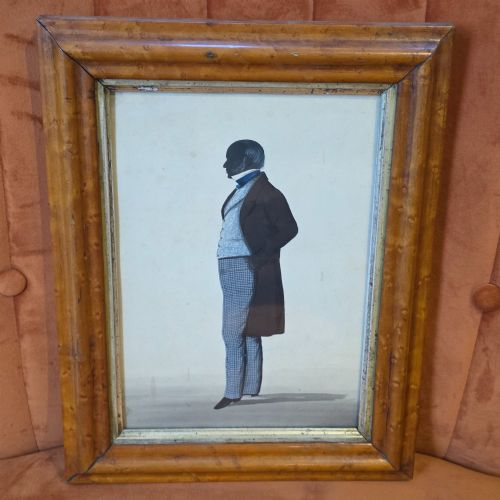
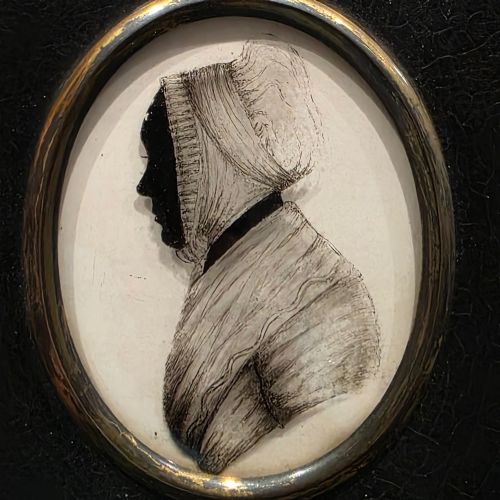
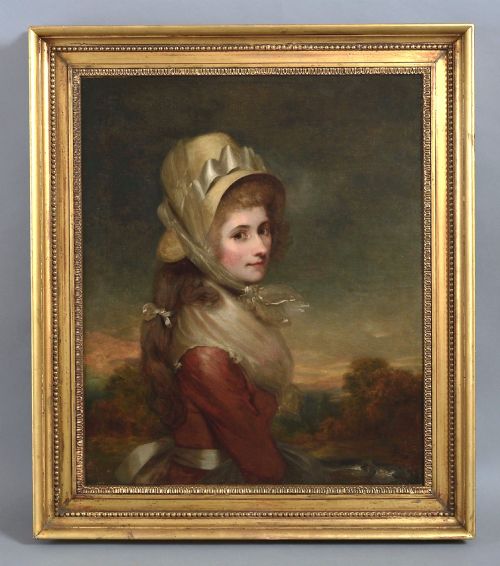
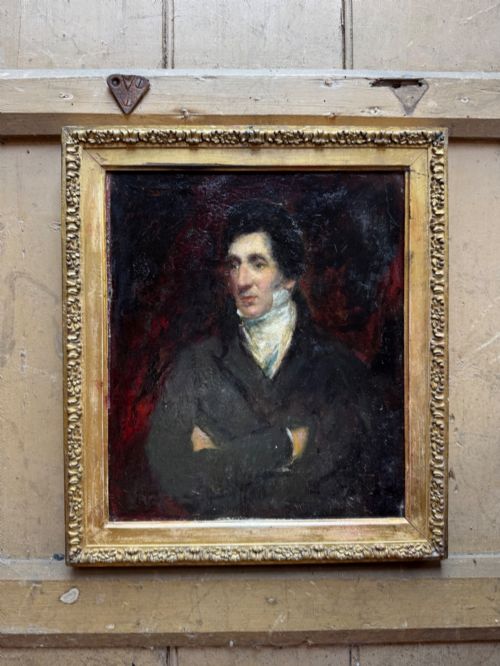
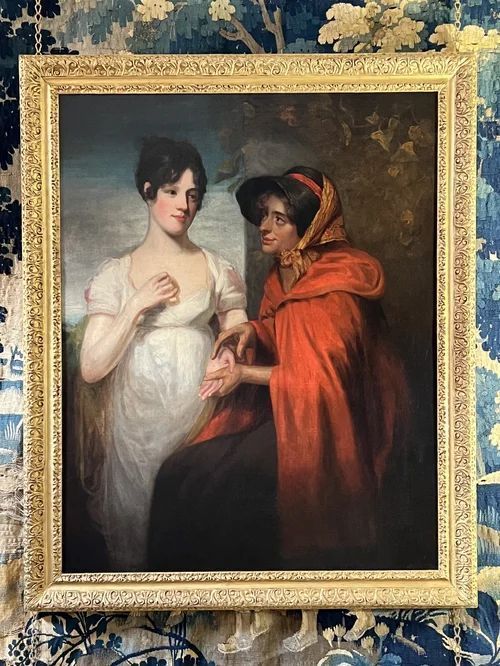
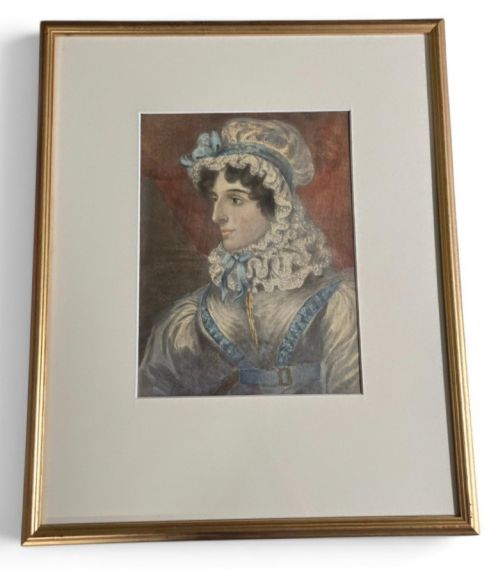
When you search for regency portrait art, you encounter works spanning the late eighteenth century through the early Victorian era, reflecting the distinct aesthetics of Georgian and Regency society. These pieces range from intimate miniature paintings and silhouette profiles to substantial oil paintings on canvas and panel.
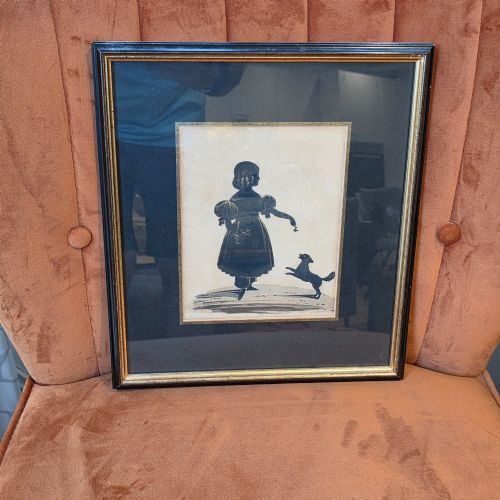
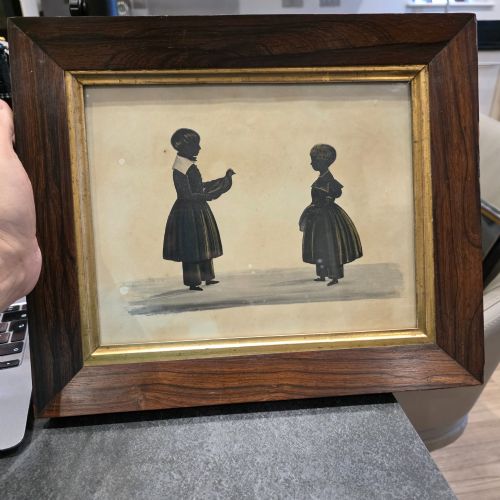
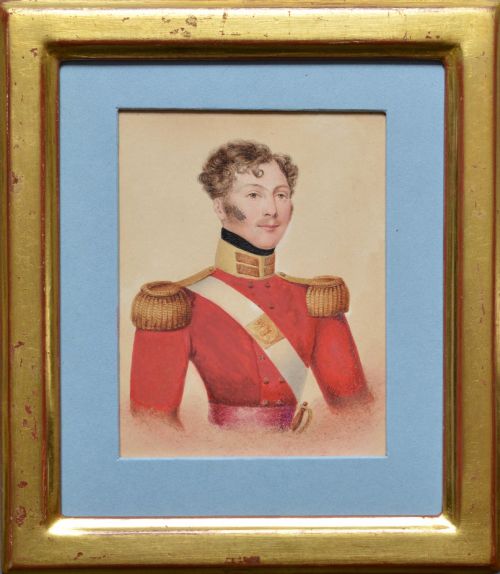
You are most likely to meet finely rendered watercolours and ink silhouettes alongside oil portraits depicting officers, children, and society figures. The selection represents both named artists and British school portraiture executed in varied styles including neoclassical and nineteenth-century realism.
Materials and Construction
Artists utilised oil on canvas and wood panel for larger compositions, often framing works in giltwood, gold leaf, and rosewood. Miniatures and silhouette portraits frequently incorporate paper, glass, and wax mounted within protective surrounds.
Detailing was achieved through delicate watercolour washes, ink, and reverse painting techniques on glass, complemented by meticulous hand-cutting for silhouette profiles. Enamel portraits were also produced using specialised firing methods on metal bases.
Listings feature works from the eighteenth and nineteenth centuries, spanning Georgian, Regency, and early Victorian stylistic periods.
Assessing Quality
The distinction between ordinary and exceptional works rests on the precision of line in silhouettes and the anatomical accuracy in painted portraits. Master execution captures subtle facial expressions and clothing textures with convincing depth.
Provenance and attribution to documented artists or established studios elevate a piece, as does the preservation of original materials such as period frames and glass without modern replacement.
William James Hubard·Joseph Clover RA·Sir Martin Archer Shee·James Sharples·Henry Bone ARA·John Opie RA·Horace Hone·Sir Thomas Lawrence·Charles Jagger·Richard Cosway·Samuel De Wilde·Augustin Edouart·Sir William Beechey RA·Margaret Sarah Carpenter·John Russell RA·James Howe·Thomas Horner
The Regency Portrait Art Glossary
- Silhouette
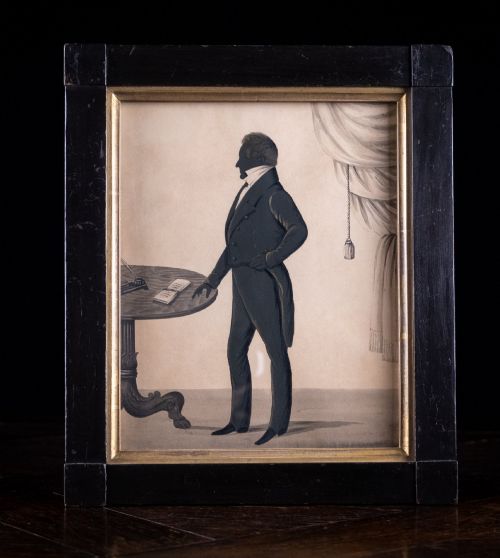
- A profile portrait cut from paper or painted in solid dark pigment against a light background. This form gained immense popularity for rapid likenesses before photography.
- Miniature
- A small-scale portrait painted on ivory, vellum, or card, often designed to be worn as jewellery or kept in a protective case. These require exceptional miniaturist skill.
- Reverse painting on glass
- An artwork applied to the rear side of a glass panel so the finished image is viewed through the transparent front. This technique protects the pigments from dust and damage.
- Provenance
- The documented history of ownership of an artwork, establishing its authenticity and chain of custody from creation to the present day.
Regency Portrait Art: Frequently Asked Questions
What subjects appear in these portraits?
The sitters include military officers, children, actors in character, and private citizens of the Georgian and Regency periods. Many portraits record specific family members or notable society figures of the era.
Artists also depicted subjects engaged in everyday activities or games, providing a window into nineteenth-century domestic life alongside traditional formal poses.
How were silhouette portraits created?
Silhouettes were produced either by freehand cutting from black paper using scissors or by painting profiles directly onto card, paper, or glass. Artists such as Augustin Edouart and William James Hubard refined these methods to capture remarkable detail in profile.
Some profiles incorporated gilt highlights or reverse glass painting to add depth and texture to the simple dark outline of the sitter.
Where should I hang these artworks?
Portrait miniatures and silhouettes suit intimate spaces, studies, or grouped arrangements on a gallery wall where their fine details can be appreciated at close range. Larger oil paintings function well as traditional focal points above mantlepieces or in principal rooms.
Direct sunlight and high humidity should be avoided to protect sensitive materials like paper, watercolour, and antique wood frames.
How do I identify the period of a portrait?
Clothing styles, hairstyles, and framing materials offer the primary clues for dating portrait art. Regency and Georgian sitters typically wear distinct attire such as high-waisted muslin dresses or specific military uniforms.
Backings, handwritten labels, and signature styles attributed to known artists or schools further help narrow the creation date to the late eighteenth or nineteenth century.