
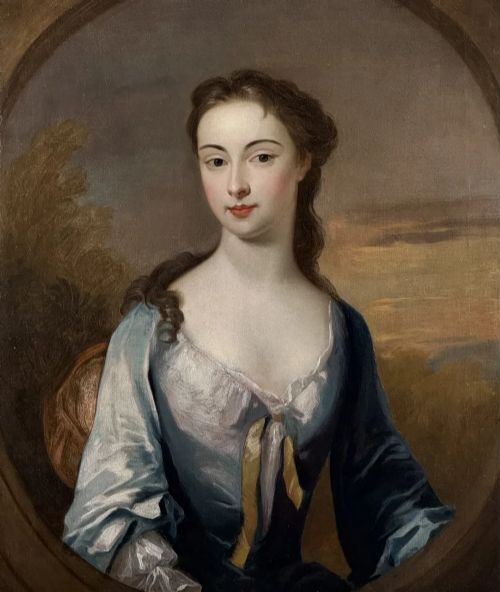
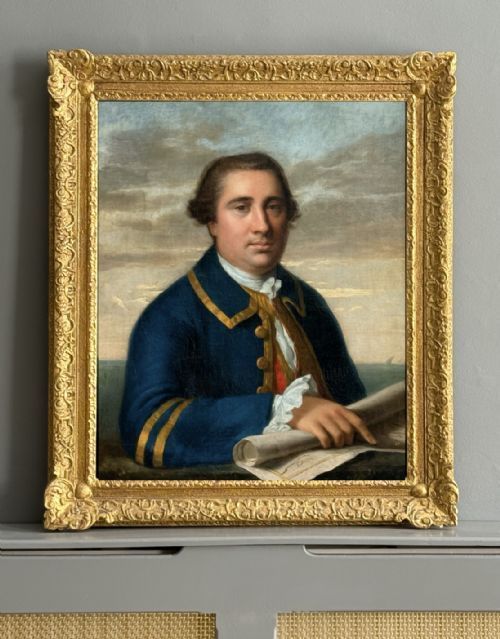
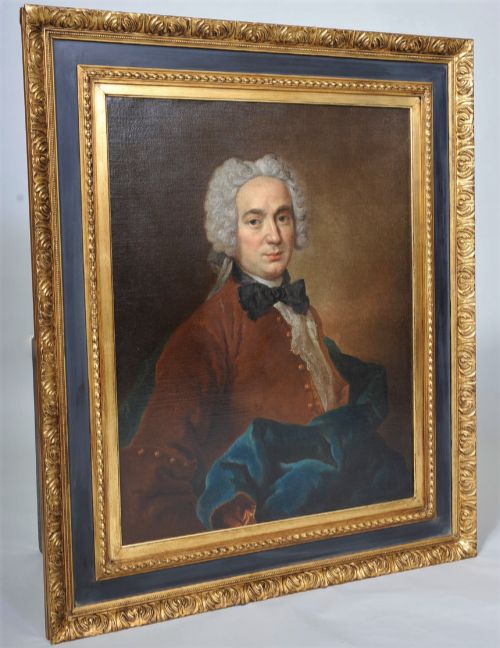
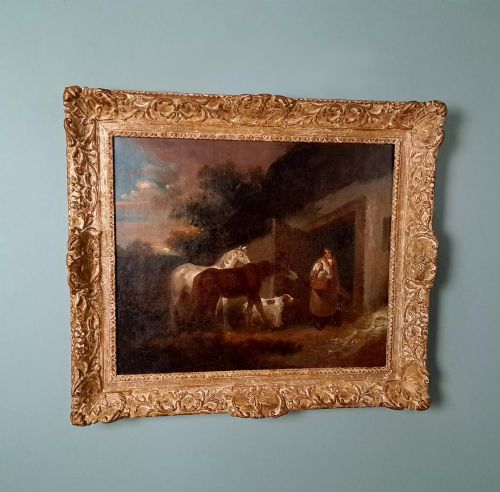



Original Georgian Oil Painting
An original georgian oil painting brings centuries of portraiture and landscape art into a room through surviving canvases and wood panels.
Original Georgian Oil Painting
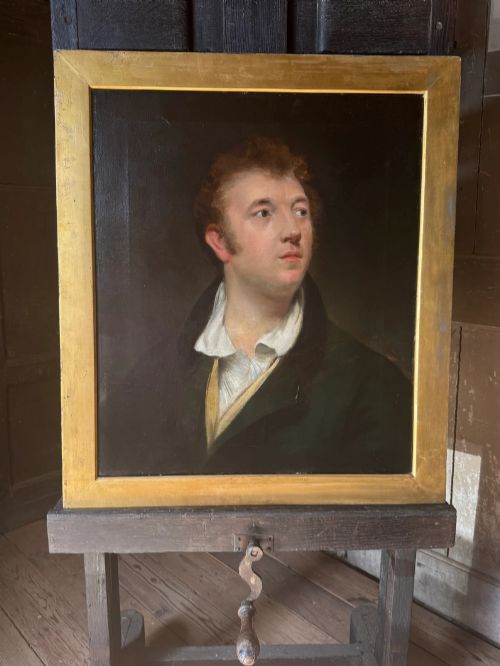
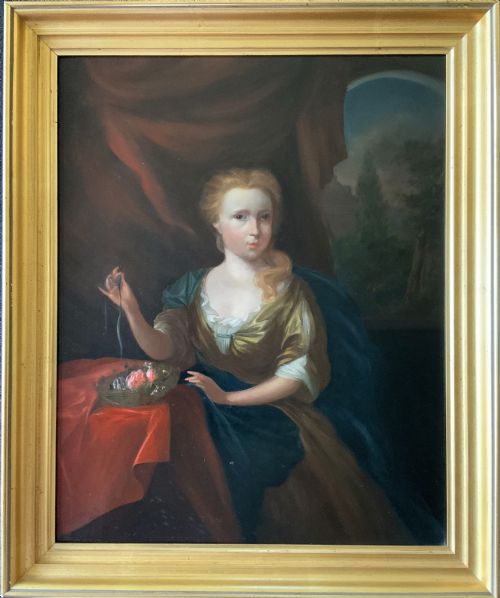
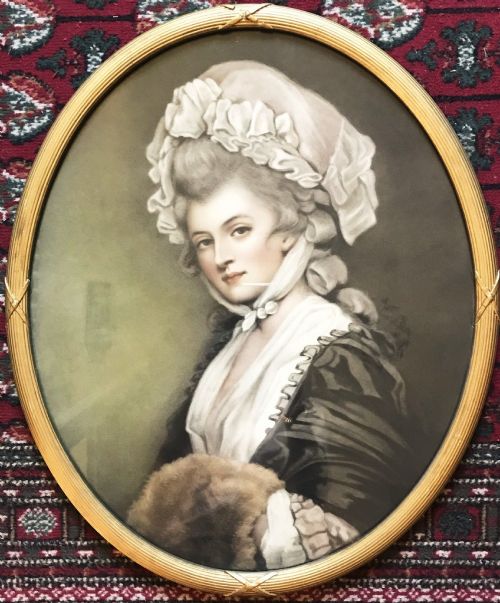
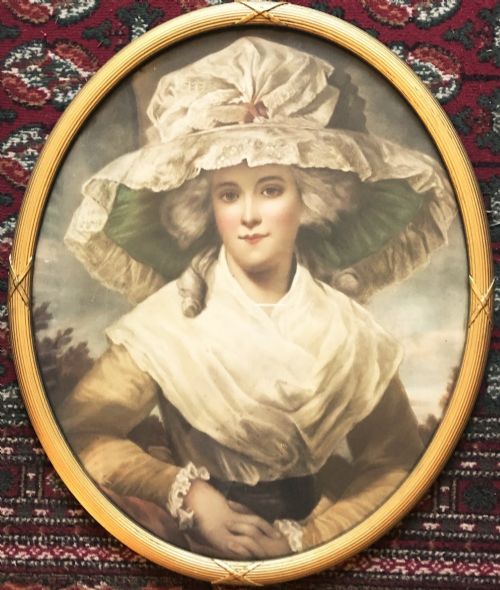
An original georgian oil painting encompasses centuries of British and European visual art, most frequently appearing on this page as oil on canvas or wood panel.
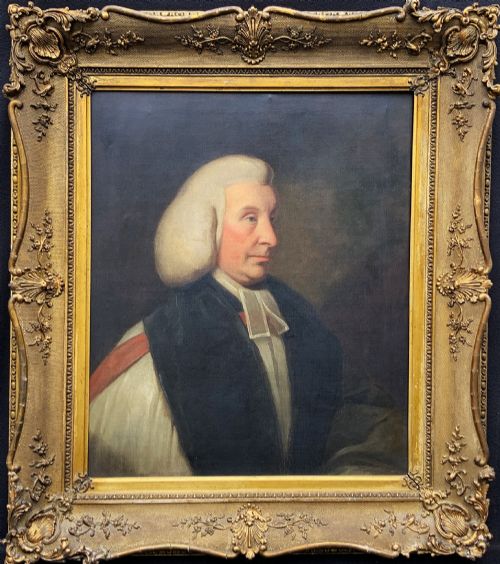
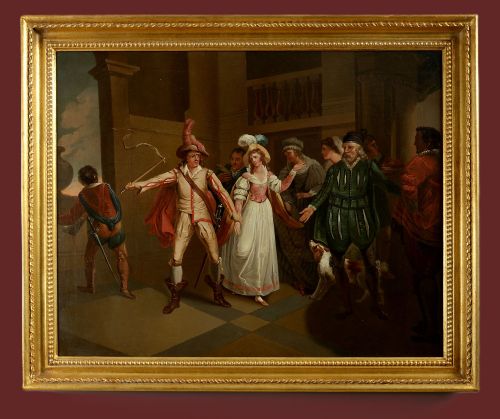
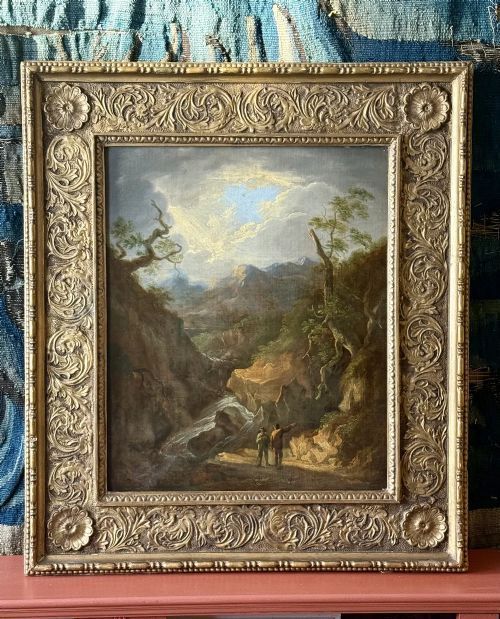
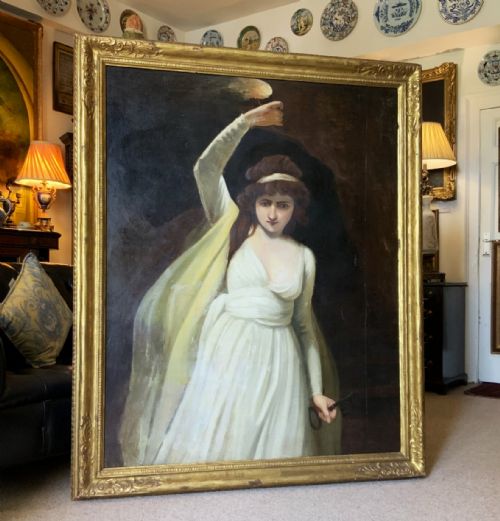
The subjects range from formal portraiture depicting captains, physicians, and gentlewomen to pastoral landscapes, maritime battles, and classical scenes.
Many works survive in period frames of giltwood and gold leaf, preserving the complete presentation intended by the artist.
How They Were Made
Artists applied oil paint using ground pigments mixed with drying oils onto stretched canvas or prepared wood panels.
Subsequent lining techniques sometimes saw older canvases laid down onto wood boards or newer supports for structural stability.
Carved and gilded wood frames utilised gold leaf applied over gesso to finish the presentation.
Listings feature works spanning the seventeenth century through the 1920s, executed primarily in oil paint on canvas or wood panel.
What Varies in Quality
The distinction between works rests upon the confidence of brushwork, anatomical proportion, and compositional balance seen across the canvas.
Documented attribution to known portraitists or landscape painters elevates the standing of a canvas above anonymous works of the period.
The retention of original frames, contemporary inscriptions, and untouched surface layers distinguishes superior examples from heavily restored ones.
Charles Jervas·Lemuel Francis Abbott·William Joseph Shayer Senior·Benjamin Barker of Bath·Margaret Sarah Carpenter·John Opie RA·James Howe·George Morland·John Constable·John Sanderson Wells·Francesco Zuccarelli·Joseph Farrington RA·Thomas Beach·George Hayter·Diana Hill·Tilly Kettle·Henry Singleton RA·Richard Cosway RA·Kershaw Schofield·William Shuter·J V Harrop
The Original Georgian Oil Painting Glossary
- Oil on Canvas
- Pigment suspended in a drying oil medium applied to a woven fabric support stretched over a wooden frame.
- Giltwood
- Timber that has been decorated with thin sheets of gold leaf applied over a prepared surface.
- Wood Panel
- A rigid flat wooden support used as a substrate for oil painting prior to the widespread adoption of canvas.
- Regency
- The historical period spanning the early nineteenth century characterised by distinct stylistic developments in British art and framing.
- Portraiture
- The representation of a specific human subject, capturing likeness and social status through painted media.
Original Georgian Oil Painting: Frequently Asked Questions
How do I identify a georgian oil painting?
Look to the clothing styles, hairstyles, and canvas preparations typical of the eighteenth and early nineteenth centuries. Portrait subjects often wear characteristic attire such as powdered wigs, high-collared coats, or ruffled dresses.
Examine the reverse of the canvas or panel for old handwritten labels, artist inscriptions, and the construction methods of the wooden stretcher frame.
Are these paintings cleaned or restored?
Many older canvases have undergone conservation work over the centuries to stabilise flaking paint or discoloured varnish layers. Professional cleaning reveals the original vibrancy of the pigment palette.
Documentation regarding past restoration is sometimes recorded on stretcher frames or accompanying exhibition plaques.
How should I hang and light an oil painting?
Display paintings away from direct sunlight and fluctuating heat sources to protect the canvas and wood panel from warping or fading. Position them on internal walls where environmental conditions remain stable.
Use dedicated picture lights with low heat output to illuminate the surface without damaging the oil paint layers over time.
What is the difference between canvas and panel works?
Canvas supports consist of woven fabric stretched tightly over a wooden frame, offering slight flexibility and texture through the weave. They became increasingly common for larger portrait and landscape commissions.
Wood panels provide a completely rigid surface that prevents the cracking sometimes associated with aged canvas, often appearing in smaller or earlier works.