



Dark Coat Male Portrait
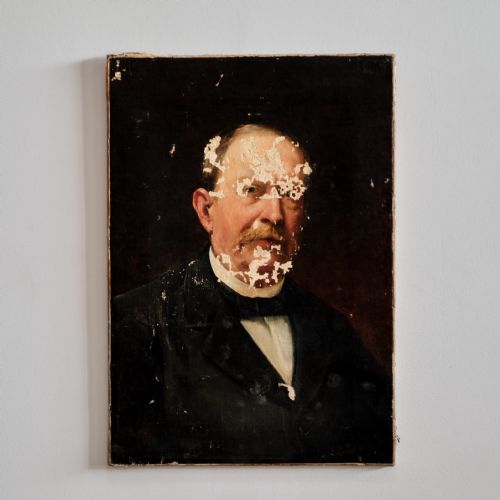
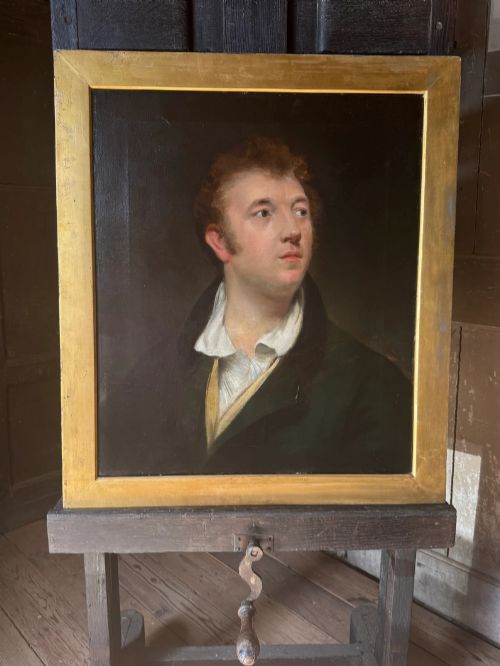
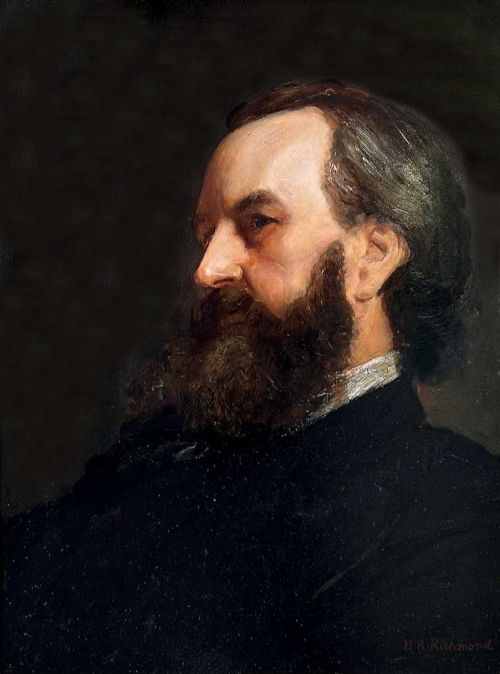
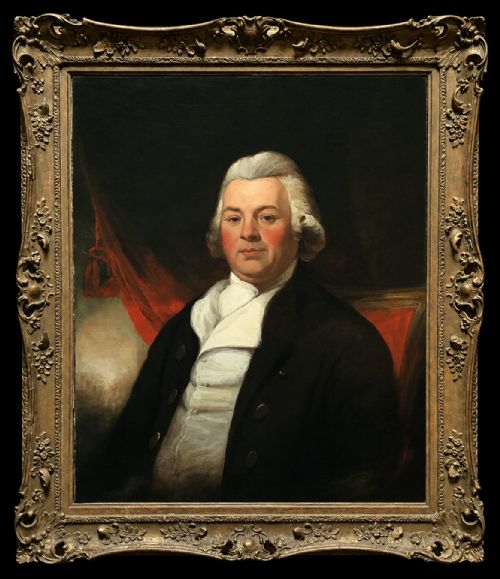
A dark coat male portrait captures the serious character of historical sitters through oil on canvas and miniature works spanning multiple centuries.
Dark Coat Male Portrait
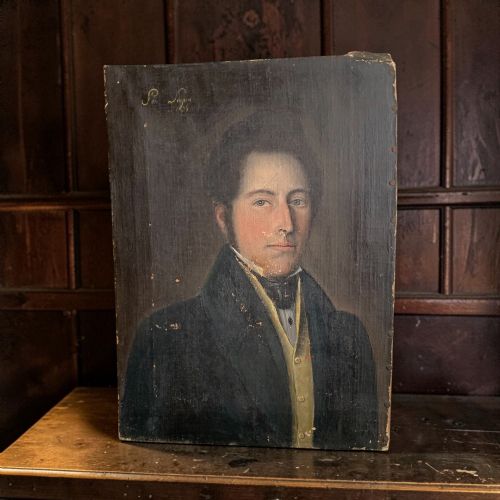
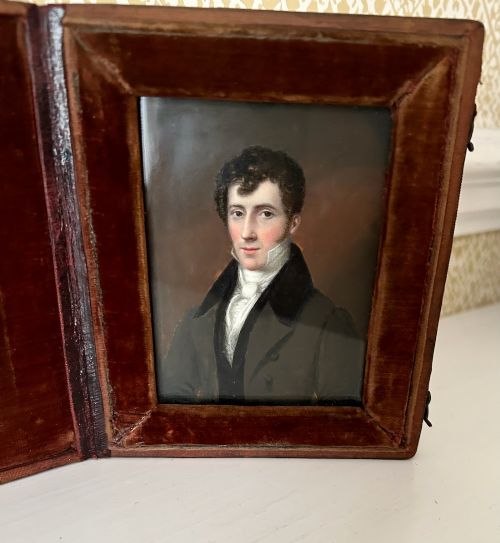
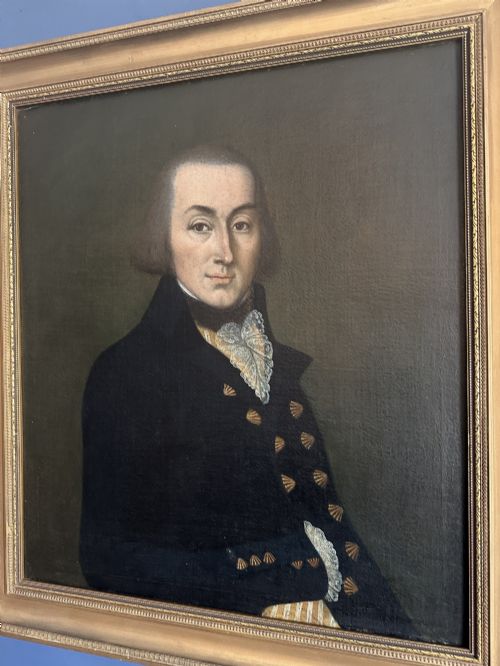
A dark coat male portrait presents gentlemen, scholars, and public figures rendered in oil on canvas or intimate miniature formats. These works span from the eighteenth century through the Victorian era, capturing sitters in sober attire.
The pieces on this page originate from British, French, Austrian, and American schools, reflecting diverse regional portraiture traditions. Buyers will encounter both grand canvases depicting notable historical figures and smaller, focused studies of gentlemen.
Subjects range from known lawyers, physicians, and politicians to anonymous sitters captured in moments of quiet contemplation. The persistent theme across these works is the solemn dark garment worn by the male subject.
Materials and Techniques
Painters built these portraits using oil paint on stretched canvas, often supported by wooden stretcher frames. Artists layered pigments to achieve deep tones for the heavy coats while applying lighter highlights to the faces and linen collars.
Portrait miniatures utilised fine supports housed in protective settings, requiring meticulous brushwork to render likenesses at a small scale. Many framed works incorporated wooden mouldings finished with gesso and gold leaf to accent the perimeter.
Several sitters peer out with intense blue eyes, having patiently held their poses while wearing heavy woolen coats indoors.
Distinctions in Quality
The handling of light across the sitter's face and hands separates master portraitists from routine commercial painters of the period. Preservation of the original canvas surface and minimal intervention during past restorations also influence the standing of a piece.
Sir William Beechey·James Howe·William Blake Richmond·George Watson·Richard Cosway·John Raphael Smith·Rudolph Lehmann·Sir James Guthrie·George Francis Joseph·Joseph Clover·James Latham·Lemuel Francis Abbott·Sir Joshua Reynolds·Frans Pourbus·Sir William Charles Ross
The Dark Coat Male Portrait Glossary
- Oil on Canvas
- A painting medium where pigments suspended in oil are applied to a woven fabric support. This combination allowed artists to blend tones smoothly and achieve rich textures in clothing.
- Portrait Miniature
- A small, highly detailed painting, often executed on ivory or vellum and housed in a protective case. These intimate works gained popularity for commemorating family members.
- Gesso
- A plaster-like mixture applied to wood frames as a base for gilding. It provided a smooth surface for the application of gold leaf.
- Gold Leaf
- Gold beaten into extremely thin sheets used to gild picture frames and decorative mouldings. It added warmth and prestige to the presentation of fine art.
- School
- A group of artists working in a particular region or following a specific master's style. This term helps attribute unsigned works to geographical traditions.
Dark Coat Male Portrait: Frequently Asked Questions
What is a dark coat male portrait?
A dark coat male portrait is a historical painting depicting a man dressed in sober, dark attire, typically originating from the eighteenth or nineteenth century.
These artworks serve as historical documents of costume, status, and portraiture traditions across British and European schools.
How were these portraits displayed?
Original owners hung these oil paintings in private studies, libraries, and grand reception rooms to project family lineage and social standing.
Smaller miniature portraits were often kept in private chambers or carried as personal tokens of remembrance.
How do I care for an antique oil painting?
Protect the canvas from direct sunlight and maintain stable indoor humidity levels to prevent the oil paint from cracking.
Dust the surface gently with a soft, dry brush and avoid using chemical cleaning agents on the delicate paint layers.
How can I tell the period of a portrait?
The cut of the sitter's coat, the style of the neckwear, and the framing materials provide primary clues for dating the artwork.
Artist signatures, canvas stamps, and historical costume references further help narrow down the decade of creation.