



Historic British Portrait Painting
Historic british portrait painting preserves centuries of faces on canvas, offering buyers an authentic connection to past generations through traditional fine art.
Historic British Portrait Painting
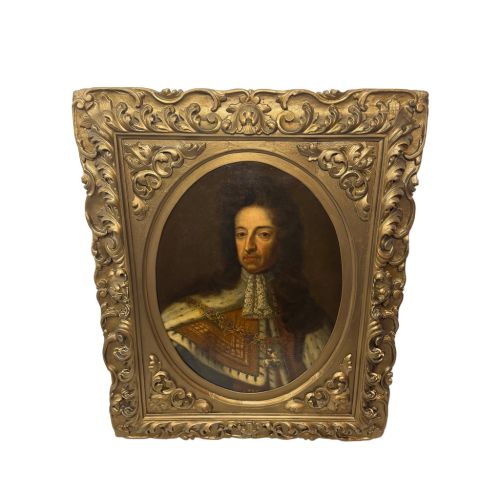
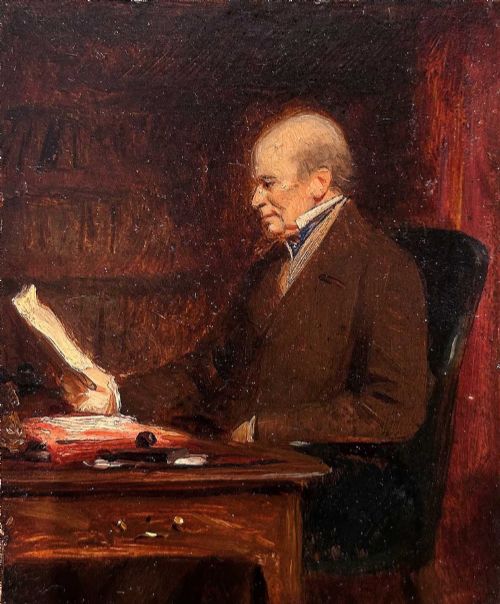
A historic british portrait painting captures the likenesses of gentlemen, ladies, naval officers, and historical figures across the seventeenth, eighteenth, and nineteenth centuries. Buyers frequently encounter works originating from the Georgian, Regency, and Victorian periods, reflecting distinct eras of social history.
The subjects range from titled nobility and politicians to anonymous sitters rendered by regional English schools. These artworks appear primarily as oil paintings on canvas or panel, framed within period giltwood.
Works attributed to specific circles or bearing signatures from recognised portraitists provide tangible links to traditional British artistry. Every piece records the clothing, status, and artistic conventions of its respective era.
Evaluating Quality
The distinction between a signed masterwork, a studio production, and an anonymous regional school piece alters the standing of the work. Attribution to a documented hand or close circle elevates the significance of the painting.
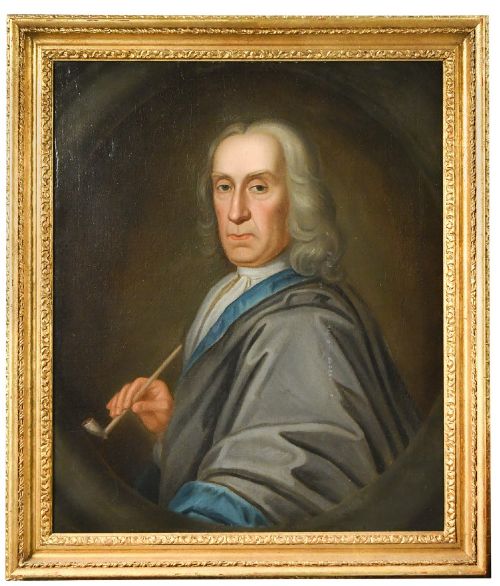
Subjects include lawyers, explorers, railway kings, and a gentleman proudly holding his pipe.
SIR WILLIAM BEECHEY R.A·Stephen Pearce·TRAJAN HUGHES·John Greenhill·Joseph Heard·Richard Cosway RA·Henry William Pickersgill·William Robinson·Robert Byng·Rudolph Lehmann·Sir Peter Lely·Sir James Guthrie·John Bettes the Elder·George Francis Joseph·Henry Edridge·John Raphael Smith·Lemuel Francis Abbott
The Historic British Portrait Painting Glossary
- Oil on Canvas
- Pigment mixed with drying oil applied to a woven fabric support stretched over a wooden frame. This medium allowed artists to blend tones smoothly and work on a large scale.
- Giltwood
- Timber carved and coated with a thin layer of gold leaf or metallic powder. It provides ornate framing for traditional artwork.
- English School
- A designation used when a painting originates from Britain within a specific period but the exact hand remains unrecorded. It groups works sharing regional stylistic traits.
- Circle of
- A term denoting an artist working closely alongside a master, absorbing their style and methods without being the master themselves. These works closely mirror known oeuvres.
- Panel
- A flat piece of wood used as a rigid painting surface prior to the widespread adoption of stretched canvas.
Historic British Portrait Painting: Frequently Asked Questions
What periods do these portraits cover?
The available selection spans from the sixteenth century through the seventeenth, eighteenth, and nineteenth centuries. Sitters and artists represent Tudor, Stuart, Georgian, Regency, and Victorian eras.
Specific dates on canvases or within attributions help narrow down the exact decade of creation. Each period brings distinct clothing styles and painting techniques.
How do I identify the sitter?
Many portraits include inscriptions on the canvas, stretcher, or accompanying documentation that name the individual portrayed. Titles often record professions, titles, or dates associated with the subject.
When a name is missing, costume details, heraldry, and regional school characteristics offer clues to their identity and social standing.
What surfaces were used for painting?
Artists primarily utilised oil paint on stretched canvas supports. Wooden panels also served as a firm foundation for earlier works.
The choice of ground material often aligns with the period of execution and the scale of the composition.
How should I hang an oil portrait?
These works require stable indoor environments away from direct sunlight and excessive moisture. Proper picture wire and wall anchors support the weight of the canvas and heavy giltwood frame.
Displaying them at eye level allows the viewer to appreciate the fine brushwork and expression of the sitter.