


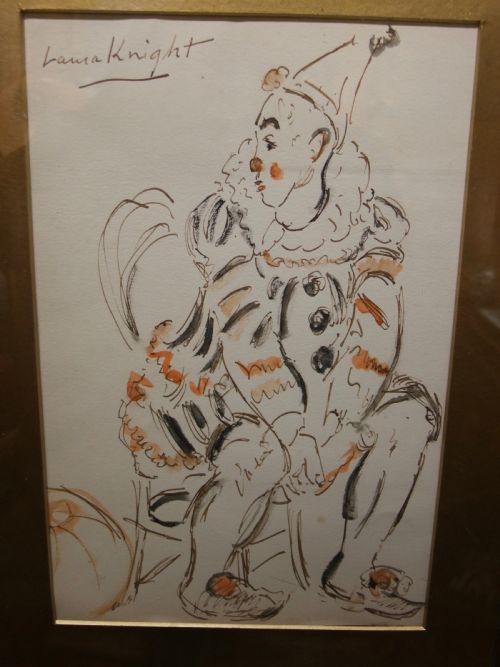

Early Twentieth Century Portrait
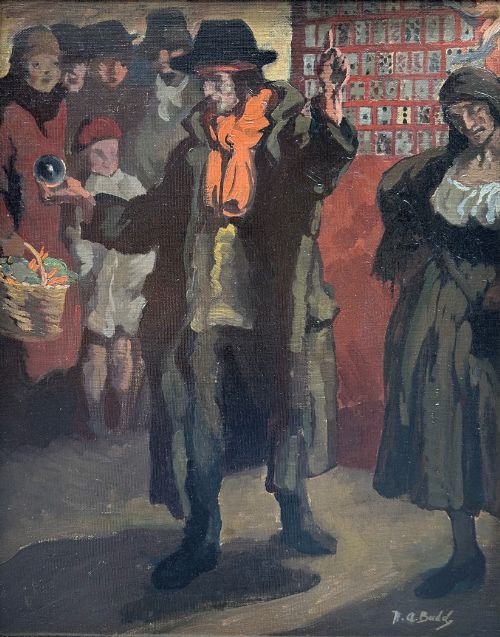
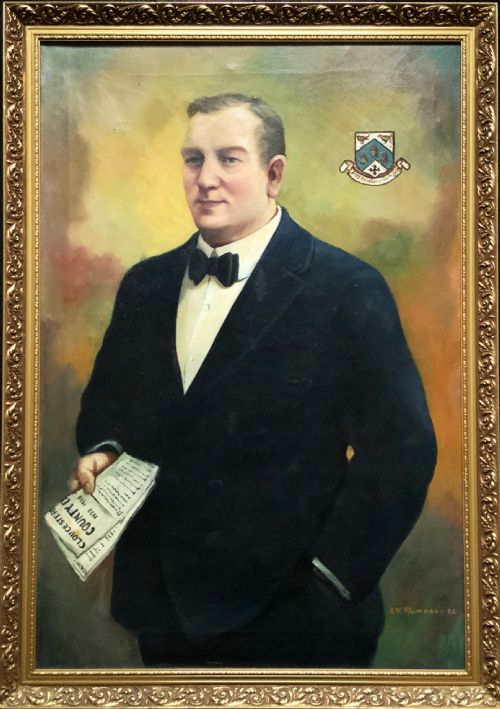
An early twentieth century portrait brings the gravitas of a bygone era into a room through confident brushwork and striking character studies.
What these portraits are
An early twentieth century portrait captures figures ranging from military privates to distinguished gentlemen and naval admirals. These works reflect the artistic traditions of Edwardian and early twentieth century realism.
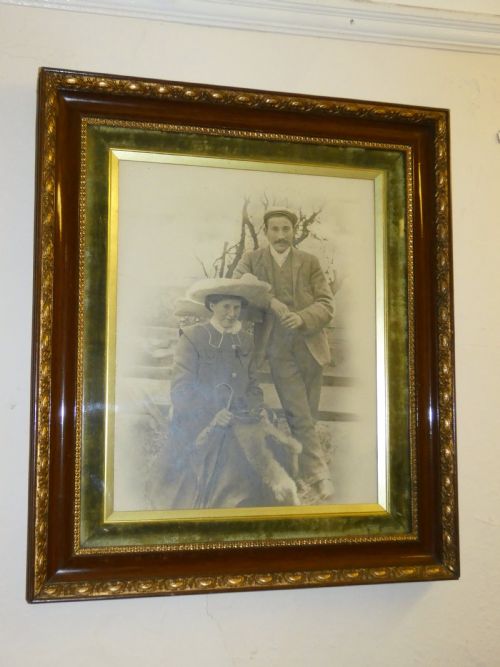
The pieces on this page comprise original oil paintings on canvas alongside framed prints. Subjects are rendered with academic realism, capturing the distinct likeness and status of each individual.
Origins span British and continental European hands, offering a diverse record of portraiture from 1900 through the 1920s. Buyers encounter both monumental canvases and intimate framed works.
How they were made
Artists applied oil paint to stretched canvas surfaces, building depth through layered pigments and tonal variation. Supporting structures utilise traditional wood and oak framing methods, often accompanied by protective glass.
Many frames incorporate gilt finishes to complement the rich tones of the painted canvas or paper print within. Materials reflect the standard atelier practices of the Edwardian period.
Retail Price Guide 2026
Typical UK retail prices for early twentieth century portrait, calculated from the Sellingantiques database of over a million retail prices indexed since 2003. This retail price guide relies exclusively on Sellingantiques data; no external sources or auction records are used, so the figures do not describe the wider market.
A Dutch girl holding marionettes shares wall space with stern admirals and gentlemen.
What varies in quality
The distinction between standard works and exceptional pieces lies in the precision of anatomical rendering and psychological depth. Master portraitists capture personality and texture with fluent brushstrokes rather than rigid stiffness.
Framing integrity and material preservation also separate works, with original period oak and gilt frames adding significant character. The reputation of the artist and the documentation of the sitter elevate the standing of individual pieces.
Jules Rambo·John A.A. Berrie·Harry J. Pearson·Frank Samuel Eastman·Richard Hall
The Early Twentieth Century Portrait Glossary
- Academic realism
- A style of painting influenced by European academies that prioritises precise drawing, lifelike proportions, and smooth finishes. This approach ensures the subject appears tangible and formally composed.
- Canvas
- A heavy woven fabric stretched across a wooden frame to serve as a durable support for oil paint. It remains the principal medium for serious easel painting.
- Gilt
- A thin layer of gold leaf or metallic gilding applied to wood frames. This treatment enhances decorative appeal and catches ambient light.
- Edwardian
- Pertaining to the reign of King Edward VII, marking a distinct aesthetic period characterised by opulence and confident portraiture. Pieces from this era often display refined societal elegance.
Frequently Asked Questions
How do I date an early twentieth century portrait?
Dating relies on stylistic clues, artist signatures, framing materials, and sometimes inscriptions on the reverse of the canvas. Costume and hairstyle also provide reliable chronological markers.
Comparison with documented works by the same artist helps narrow down the exact decade of creation.
Are these works original oil paintings?
The selection includes both original oil paintings on canvas and period framed prints. Each listing specifies the exact medium used by the creator.
Examining the surface texture under magnification reveals the characteristic brush buildup of genuine oils.
How should I hang an oil painting portrait?
Portraits require stable wall fixings capable of supporting the combined weight of the canvas, stretcher, and heavy wood frame. Secure picture wire or brass D-rings are standard.
Positioning away from direct sunlight and dramatic temperature fluctuations preserves the integrity of the oil pigments.
What subjects appear in these portraits?
Subjects range from military personnel and naval officers to notable civic figures and international sitters. Each figure reflects the social hierarchies of the Edwardian era.
Artists frequently depicted individuals of standing, capturing their professional or personal prestige.