

Antique Military Painting
An antique military painting captures campaigns, uniforms, and officers through oil on canvas, watercolour, and ink.
What these pieces are
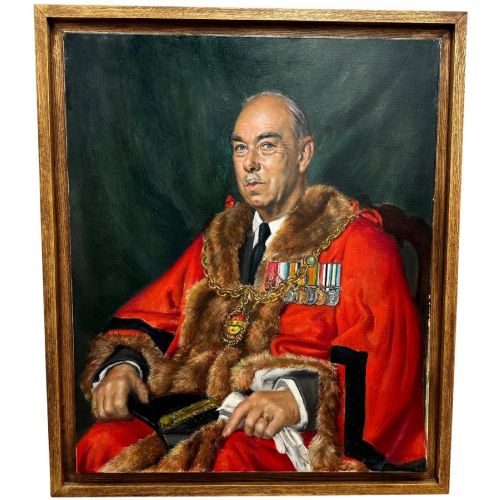
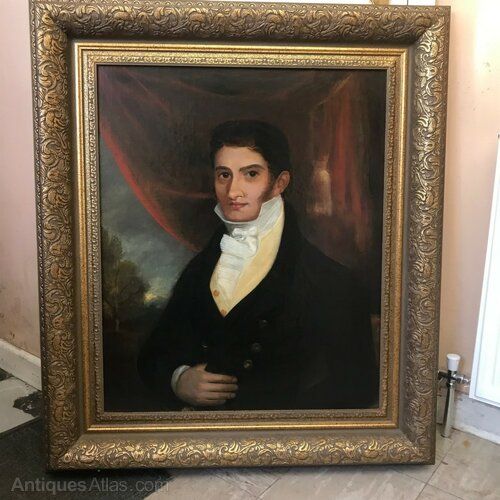
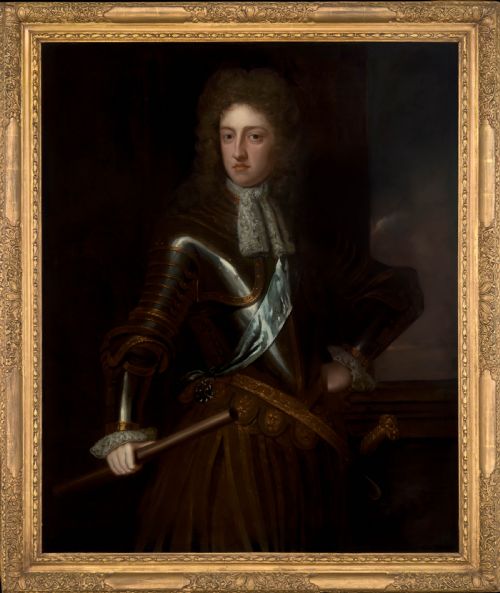
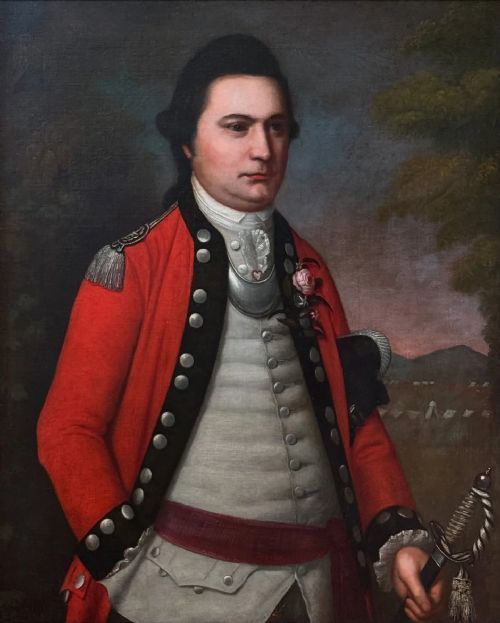
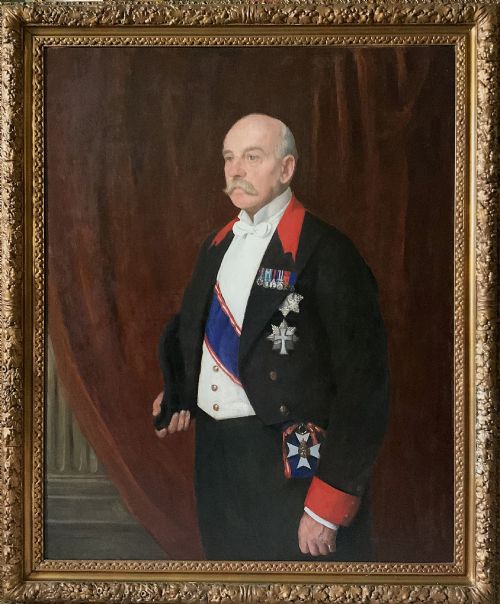
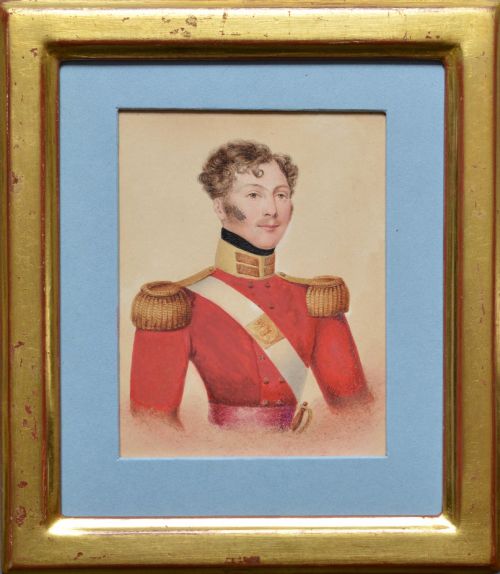
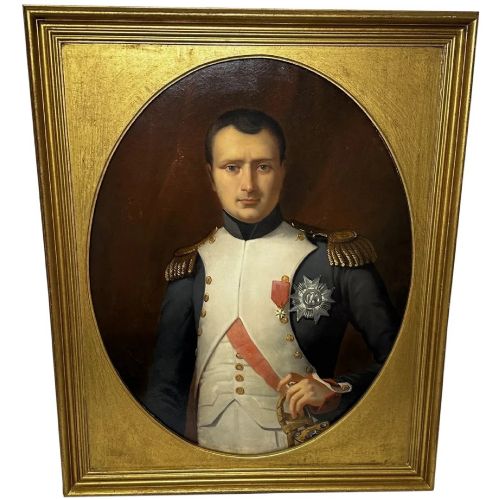
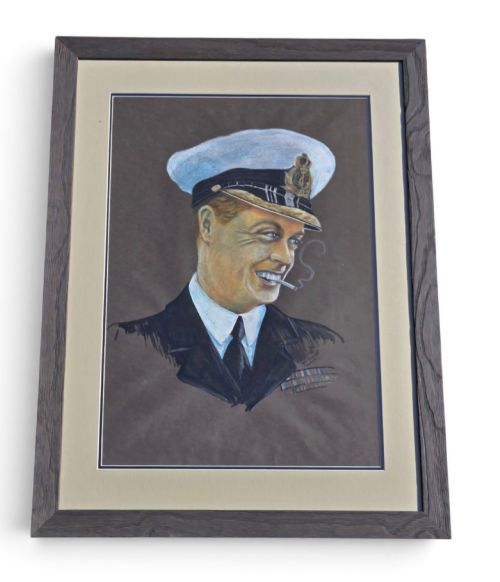
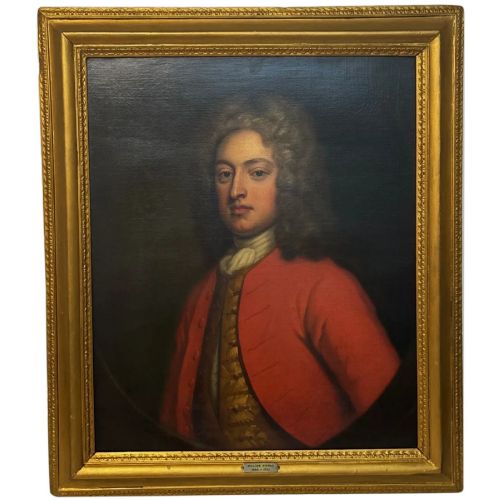
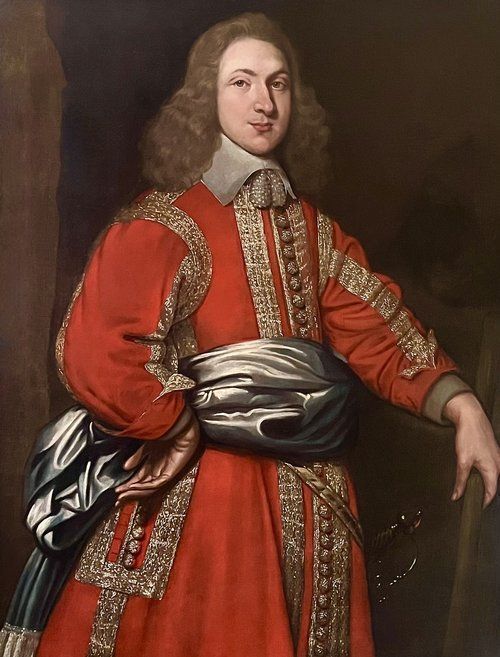
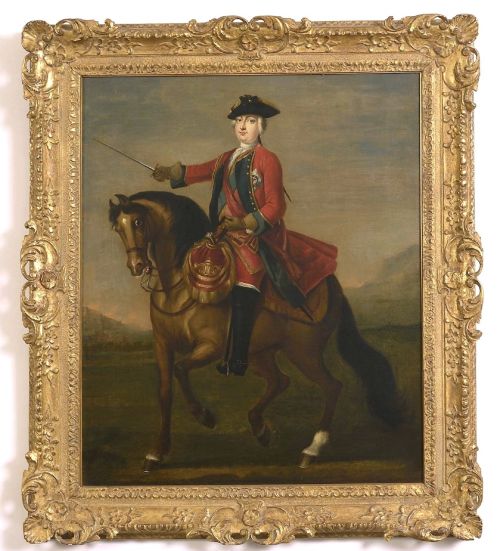
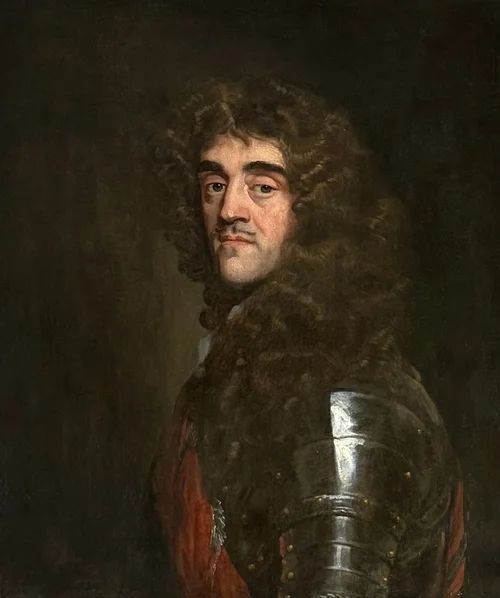
An antique military painting records officers, regiments, and camp life across the nineteenth and early twentieth centuries. These works range from formal portraits in military dress to battle scenes and caricatures.
The nineteenth century dominates the available forms, alongside pieces from the Georgian and Edwardian eras. Buyers encounter oil on canvas, watercolours on paper, and small portraits on tin framed in rosewood or gilded wood.
Subjects include named figures such as Earl Roberts and Rear Admiral James Sacheverell Constable Salmond, alongside hussars, fifers, and cavalrymen. Pieces originate from English, French, and Dutch schools.
How they were made
Artists applied oil paints to canvas or tin panels, creating durable surfaces that preserved rich tones and fine details of uniforms. Watercolours on paper offered a lighter medium for swift sketches and detailed campaign vignettes.
Retail Price Guide 2026
Typical UK retail prices for military painting, calculated from the Sellingantiques database of over a million retail prices indexed since 2003. This retail price guide relies exclusively on Sellingantiques data; no external sources or auction records are used, so the figures do not describe the wider market.
Listings feature paper, canvas, wood, glass, and tin as primary material supports for these painted works.
What varies in quality
Quality rests in the precision of uniform details, facial likeness, and the skill of the brushwork in capturing fabric textures and insignia. Named sitters and documented regiments lend historical weight to individual pieces.
The preservation of the original support, whether canvas, tin, or paper, alongside untouched period framing, influences the overall integrity of the work.
Frank Dadd·John Irvine·Leslie Moore·Richard Hall·John Leech·Christiaan Andriessen·Orlando Norie·William Carter
The Antique Military Painting Glossary
- Watercolour
- A painting method where fine pigment is suspended in a water-based solution on paper. It allows for translucent washes and delicate line work.
- Oil on Canvas
- A traditional technique using pigments bound in drying oil applied to a stretched cloth support. This combination permits deep tonal gradations and lasting durability.
- Miniature Portrait
- A small-scale painting capturing a likeness with intense detail. These works were often carried or kept in private settings.
- Gilt Frame
- A wooden border coated with a thin layer of gold leaf or metallic gilt paint. These frames define the outer edge of many period oil paintings.
Frequently Asked Questions
What periods do these paintings cover?
The selections span the eighteenth, nineteenth, and early twentieth centuries. Pieces reflect Georgian, Victorian, and Edwardian aesthetic standards.
Dates range from eighteenth-century militia depictions through to works produced around nineteen-twenty.
Which materials are most common?
Artists worked primarily on paper using watercolours, or on canvas and tin using oil paints. Supporting structures incorporate wood, glass, and gilded framing.
Paper watercolours and canvas oil paintings form the majority of surviving examples.
Are the subjects usually identified?
Many portraits name specific historical figures, commanders, or naval officers in uniform. Others depict generic types such as hussars, fifers, or cavalrymen.
Inscribed titles on the works or frames often reveal the regiment or rank of the sitter.
How should I display them?
Keep works away from direct sunlight to protect watercolours and oil pigments from fading. Maintain stable room temperatures to safeguard wooden frames and canvas supports.
Ensure pieces under glass have adequate ventilation to prevent moisture accumulation.