


Antique Portraiture
Antique portraiture preserves the likenesses of earlier centuries through oil paintings, pastels, and detailed engravings.
Antique Portraiture
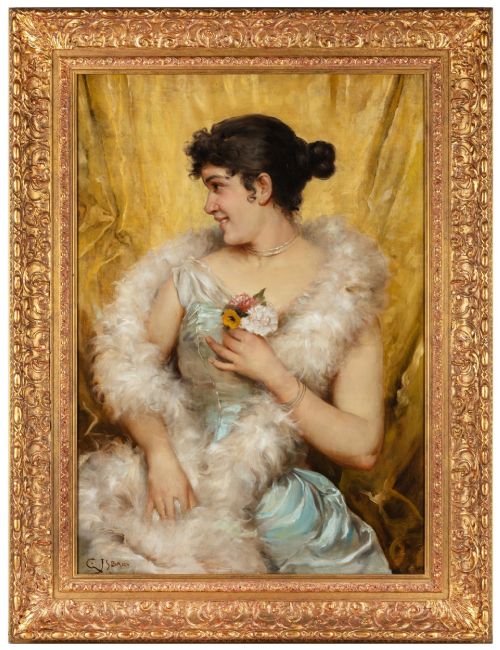
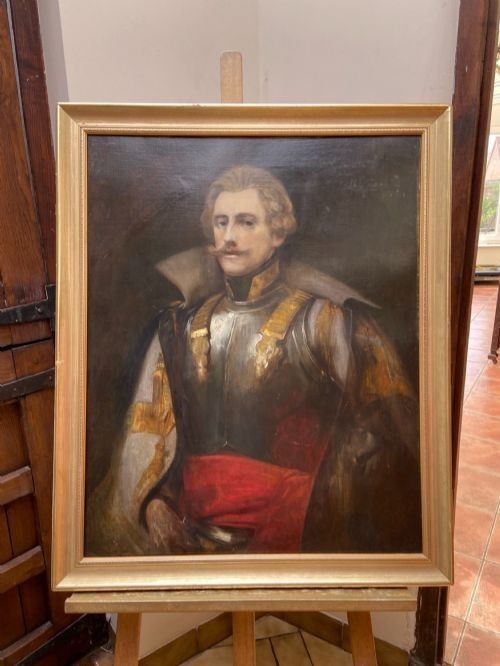
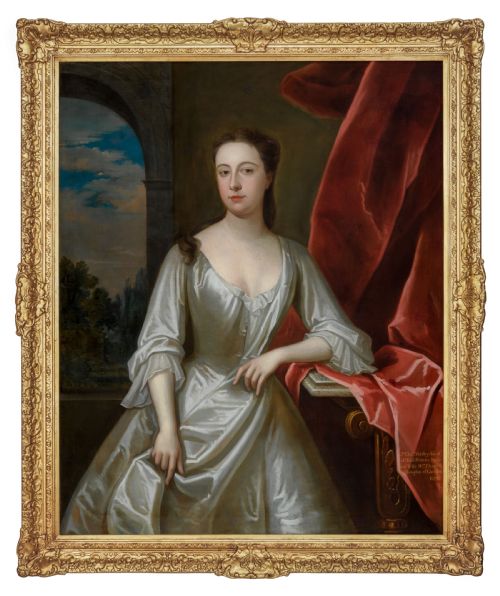
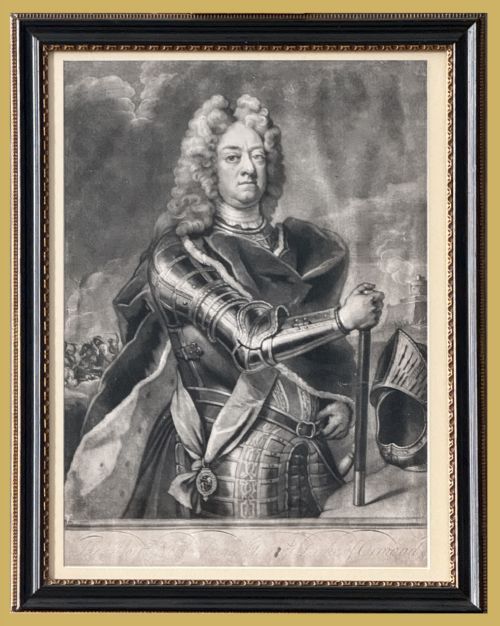
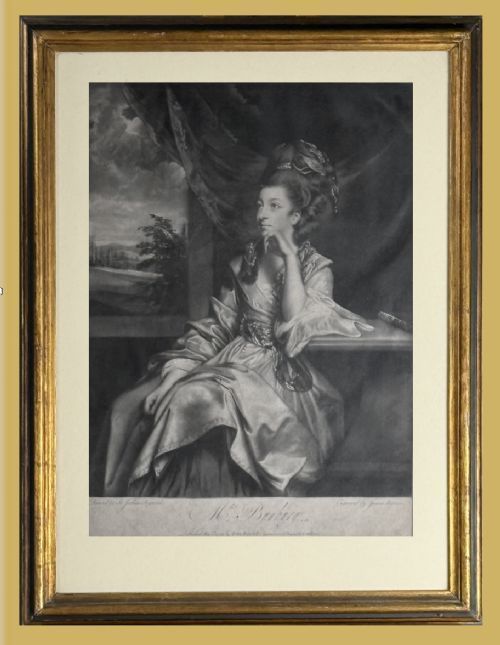
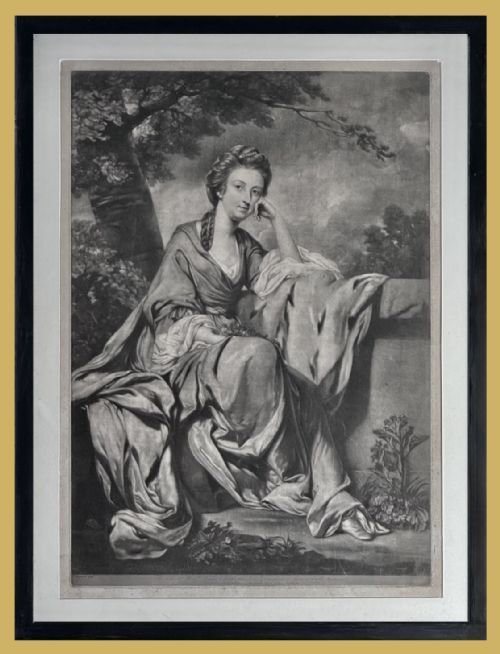
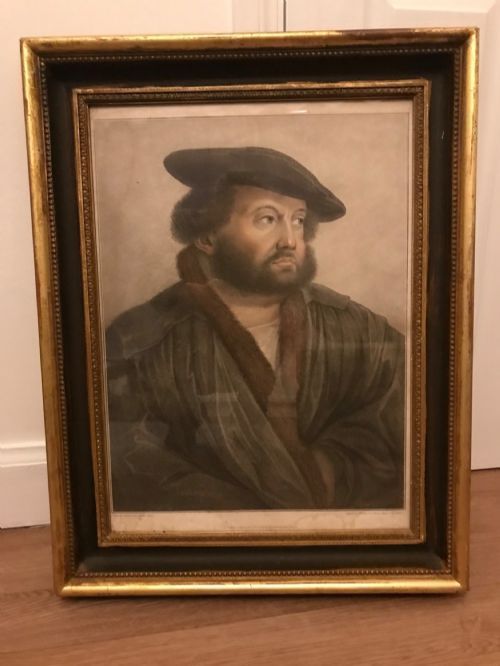
When buyers search for antique portraiture, they encounter depictions of named sitters, nobility, and military officers spanning several centuries. The selection on this page relies heavily on seventeenth and eighteenth-century oil paintings, alongside nineteenth-century works and later prints.
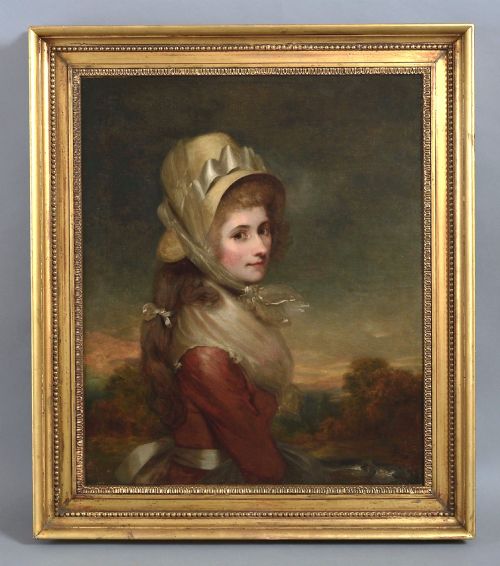
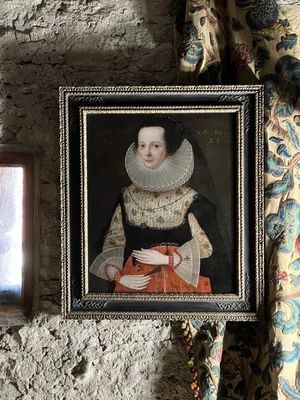
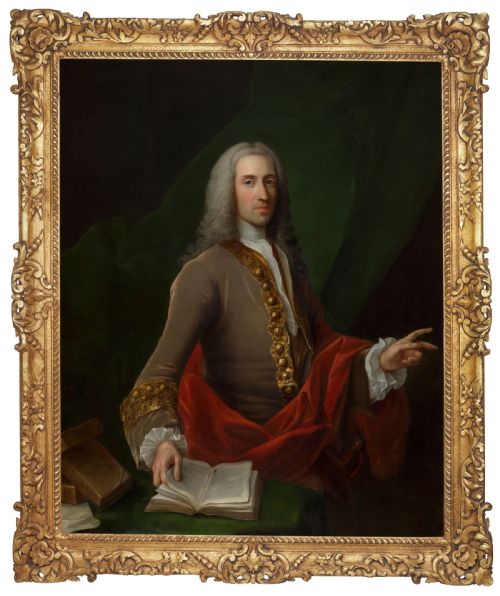
Oil on canvas and wood panel dominate the forms, capturing aristocratic subjects and historical figures in formal attire. These items range from large, framed gallery pieces to smaller, intimate cabinet representations created by regional and continental schools.
Materials and construction
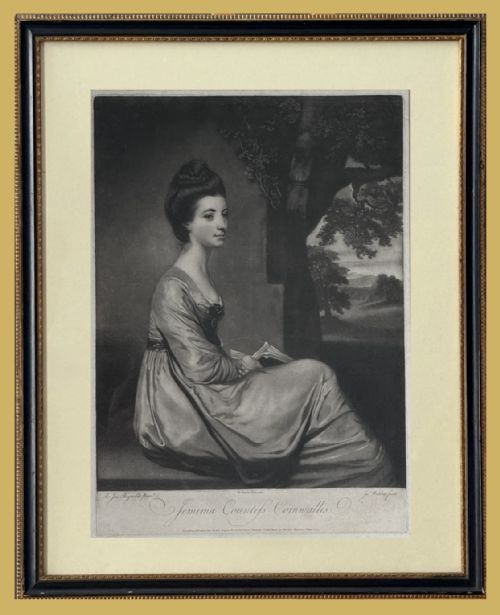
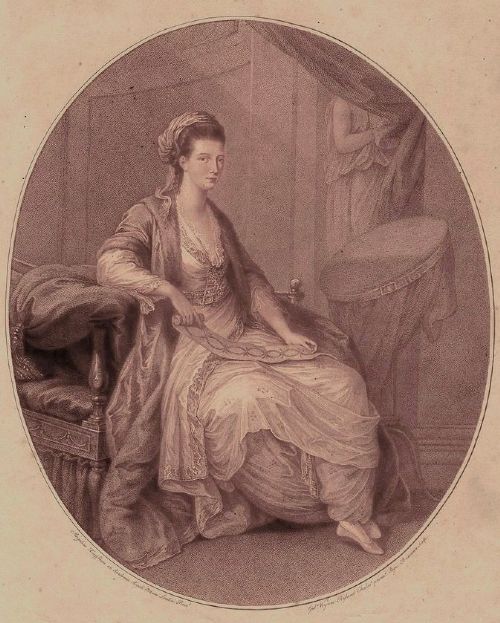
Painters applied oil pigments onto stretched canvas or wooden panels, often building rich layers to render fabrics, lace, and facial expressions with depth. Mezzotint and stipple engravings utilised copper plates and fine paper to reproduce painted likenesses for wider distribution.
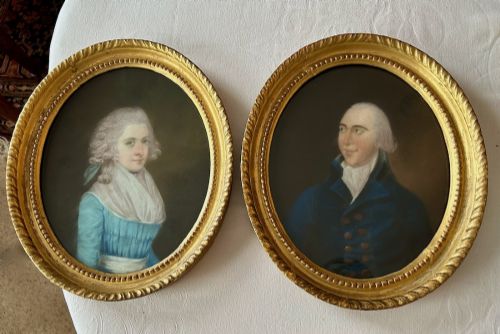
Frames frequently incorporate carved wood and gold leaf or giltwood, matching the aesthetic standards of the period in which the artwork was produced.
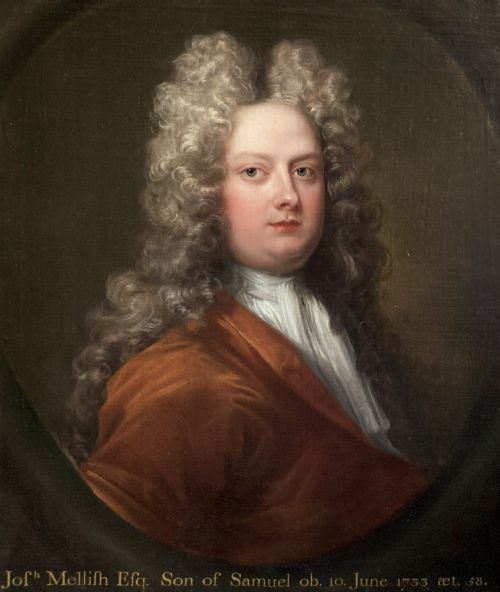
Several sitters peer out wearing towering periwigs that easily dwarf their own shoulders.
Factors determining quality
The standard of antique portraiture rests on the precision of the brushwork, the psychological depth captured in the sitter's expression, and the anatomical accuracy of the hands and face. Superior works demonstrate a confident handling of light and shadow, particularly in the rendering of elaborate textiles and periwigs.
Attribution to a known hand or documented studio elevates an artwork's standing, as does the survival of the original gilt frame and untouched canvas surfaces. Condition plays a role, with original stretchers and minimal restoration preserving the integrity of the piece.
Sir Godfrey Kneller·Charles Jervas·Michael Dahl·Sir Joshua Reynolds·Sir Peter Lely·Hans Holbein the Younger
The Antique Portraiture Glossary
- Mezzotint
- A printmaking process of the intaglio family where the plate is roughened uniformly to produce rich dark tones and subtle gradations of light. This technique gained popularity for reproducing oil paintings of prominent figures.
- Stipple engraving
- A method of producing prints by creating patterns of dots rather than continuous lines, allowing for delicate tonal transitions. Francesco Bartolozzi utilised this technique widely.
- Giltwood
- Wood that has been coated with a thin layer of gold leaf or gold powder over a prepared gesso surface. It appears frequently on frames housing seventeenth and eighteenth-century canvases.
- Periwig
- A voluminous artificial hairpiece worn by men of high social standing from the seventeenth century onwards. Its inclusion helps date portraits accurately.
Antique Portraiture: Frequently Asked Questions
How do I date an antique portrait?
Dating relies primarily on the sitter's costume, hairstyles such as periwigs, and framing styles. Documentation inscribed on the canvas or stretcher also provides firm chronological markers.
Comparison with dated works by the same school or artist helps narrow the window of creation. Costume historians often provide the most reliable benchmarks for placement within a specific century.
What is a mezzotint portrait?
A mezzotint is an engraved print created by working a copper plate with a rocker to hold ink across dark areas, then scraping away points to create highlights. This method produces velvety darks and smooth tonal shifts.
Publishers used this technique extensively during the eighteenth century to duplicate famous oil paintings for collectors. They offer a way to acquire period portraiture on paper.
How should I care for an oil portrait?
Keep oil paintings away from direct sunlight, radiators, and damp environments to prevent canvas shrinkage and paint cracking. Dust the surface gently with a soft, dry brush without applying pressure.
Avoid using water or chemical cleaners on the paint or the giltwood frame. Professional conservators should handle any structural repairs or cleaning of old varnish.
What does attribution to a studio mean?
Studio attribution indicates that a piece was produced in the workshop of a master painter, often with participation from assistants or pupils. While not entirely by the master's own hand, these works adhere to the master's style and standards.
Such works offer a direct connection to major artistic circles of the seventeenth or eighteenth centuries. They typically carry lower valuations than fully signed autograph pieces.