

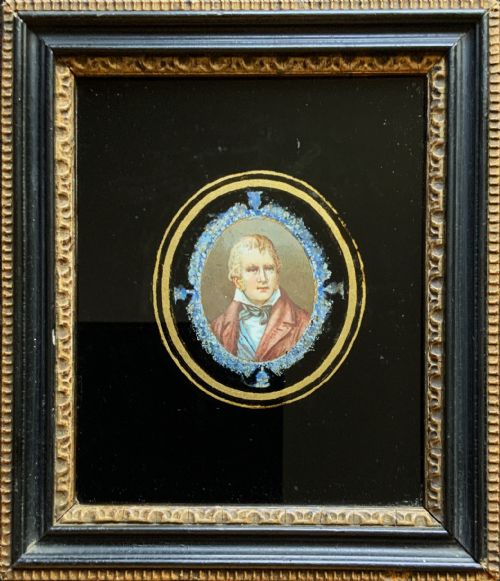


Scottish Historical Portrait
A Scottish historical portrait brings centuries of northern lineage, maritime heritage and literary character straight into a room through oil paint, bronze and ceramic.
Scottish Historical Portrait
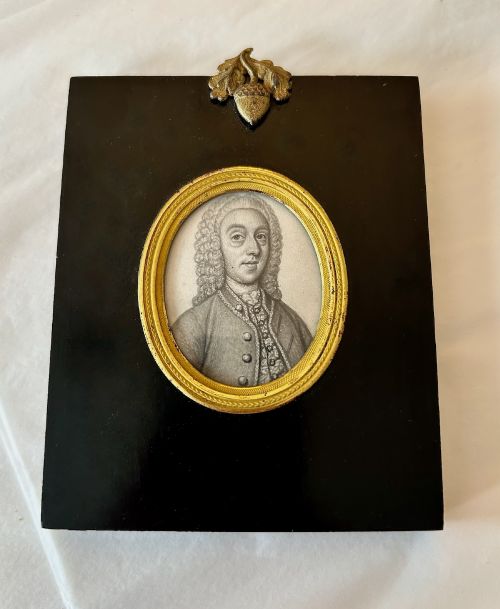
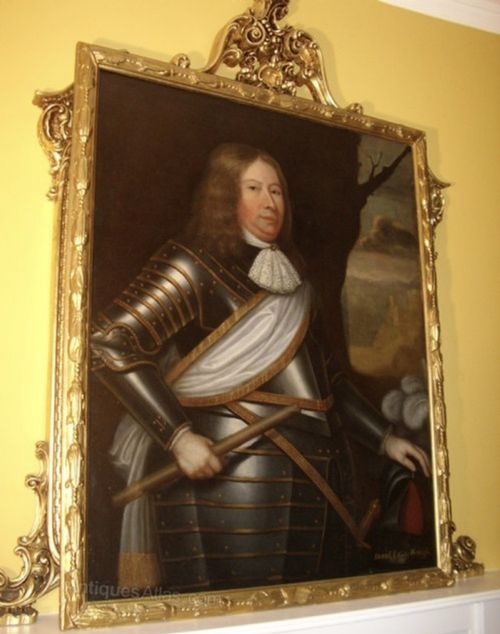
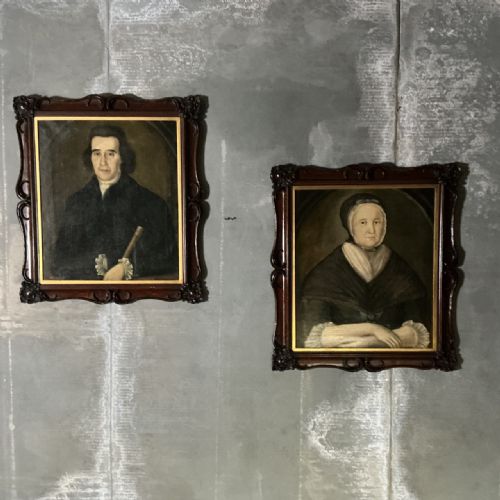
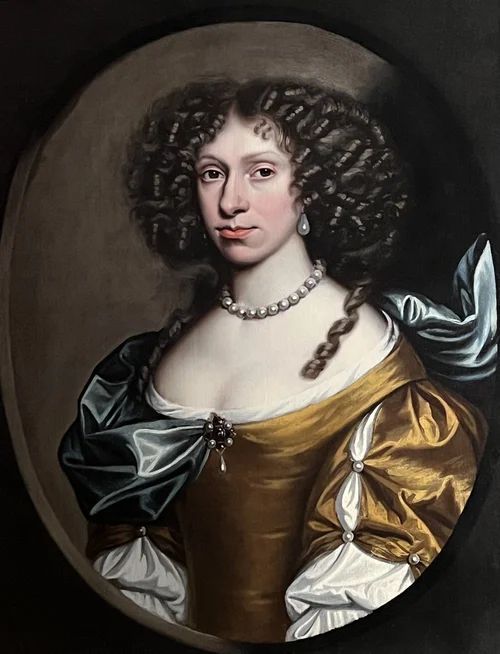
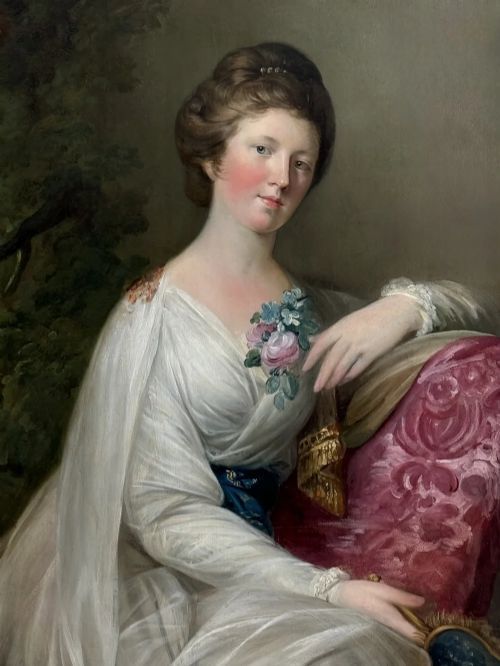
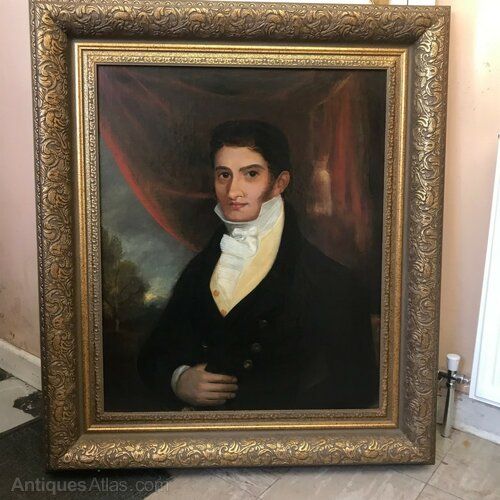
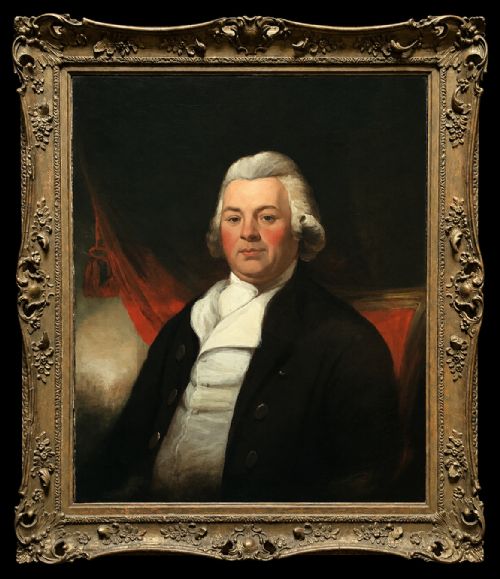
A Scottish historical portrait captures notable figures, clansmen and maritime scenes across oil paintings, miniatures, drawings, watercolours, sculptures and commemorative ceramics. These works span the seventeenth century through to the Edwardian era, recording military officers, writers, barons and family lineages.
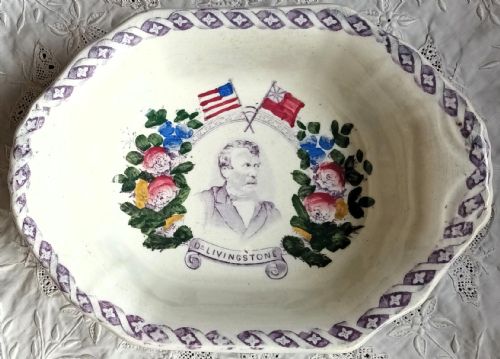
Oil on canvas remains the dominant medium on this page, framed by works on paper, giltwood and bronze. Examples range from full suit of armour depictions to Victorian commemorative pottery dishes honouring explorers and writers.
The material record includes seventeenth-century Baroque canvases alongside Regency and Victorian pieces. Buyers encounter named subjects such as Ellen Napier, Captain John Campbell and Sir Walter Scott.
Materials and execution
Oil paint applied to canvas forms the primary technical foundation for these works, often supported by wood stretchers and finished with gilt or giltwood frames.
Sculptural pieces utilise bronze for portrait busts, while paper supports watercolours and drawings, and ceramics form commemorative vessels.
Scottish Historical Portrait Retail Price Guide 2026
Typical asking prices for scottish historical portrait among the pieces listed under this phrase on Sellingantiques today, from the lower quarter to the upper quarter. They describe what is for sale here now, not the wider market.
Dr Livingstone makes an unexpected ceramic appearance among the oil barons and captains.
Assessing quality in historical portraiture
Quality rests in the handling of facial expression, fabric texture and the structural integrity of the canvas or bronze casting. The best examples display confident brushwork and clear provenance linking the sitter to historical records.
Secondary elements like period framing, such as Hogarth frames on miniatures, contribute to the overall integrity of the piece.
David Scougall·George Willison·James Howe·George Watson·Theobald Chartran·Allan Ramsay·Richard Ball Spencer
The Scottish Historical Portrait Glossary
- Oil on canvas
- Pigment suspended in a drying oil applied to a woven fabric support. This method allows for subtle blending of tones and durable preservation over centuries.
- Giltwood
- Wood carved and covered with a thin layer of gold leaf or metallic powder. It provides traditional ornate framing for historical canvases.
- Miniature painting
- A small-scale portrait executed with fine detail. These portable works often feature delicate watercolours or oils on paper.
- Commemorative pottery
- Earthenware or stoneware created to honour specific individuals or historical events. These items frequently incorporate transfer-printed or hand-painted likenesses.
Scottish Historical Portrait: Frequently Asked Questions
How do I date a Scottish historical portrait?
Dating relies on costume details, sitter documentation, and stylistic markers recorded within the canvas or sculpture. Clothing such as full suits of armour or Victorian dress offers clear chronological brackets.
Frame construction and canvas stamps further assist in narrowing the period of production alongside any inscribed signatures or dates on the reverse.
What subjects appear in these portraits?
Subjects include military captains, writers, barons, explorers, and family members connected to Scottish history. Notable individuals range from literary figures to naval commanders.
Some pieces record specific vessels and maritime scenes off the Scottish coast, expanding the scope beyond individual sitters.
Where should I hang an oil portrait?
Place oil paintings away from direct sunlight and fluctuating heat sources to protect the canvas and pigment. Stable indoor environments prevent the wood stretcher and paint layers from cracking.
Ensure adequate wall support for heavier giltwood frames and bronze busts to display them securely at eye level.
Are these works signed by the artist?
Some pieces feature visible artist signatures, monograms, or historical attribution notes on the canvas or frame. Others remain known through stylistic comparison and archival records.
Documentation accompanying the artwork often records the attribution history established by previous collections.