
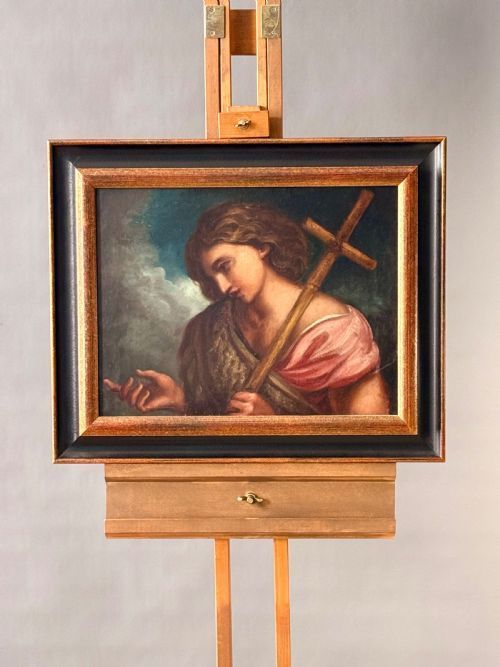
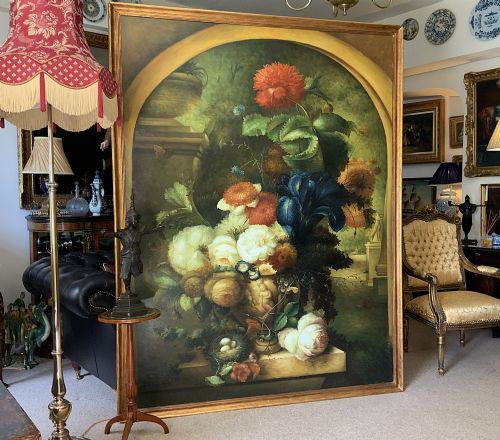
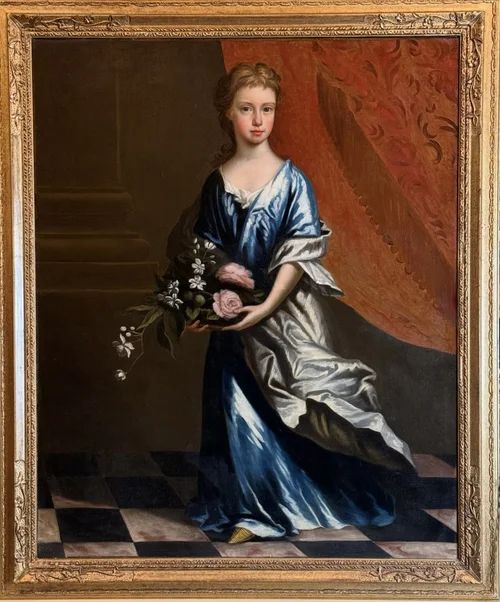
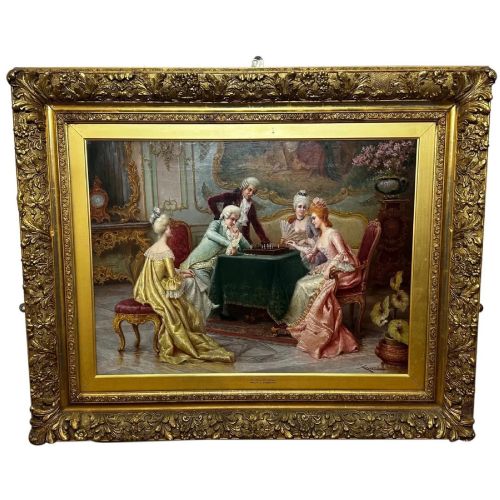
Classical Oil Wall Art
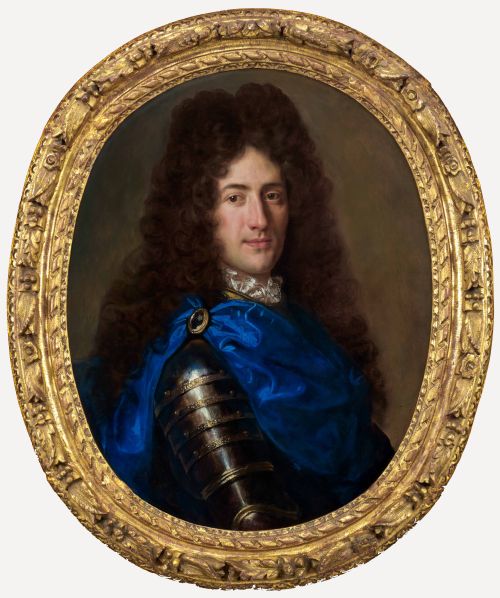
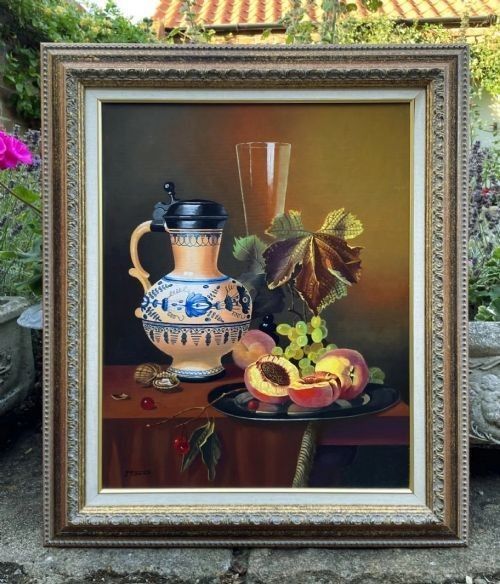
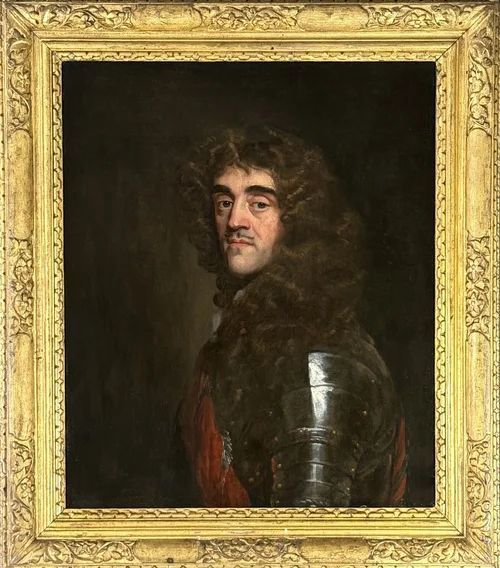
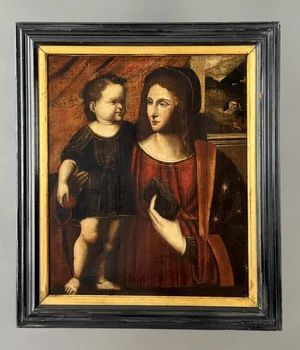
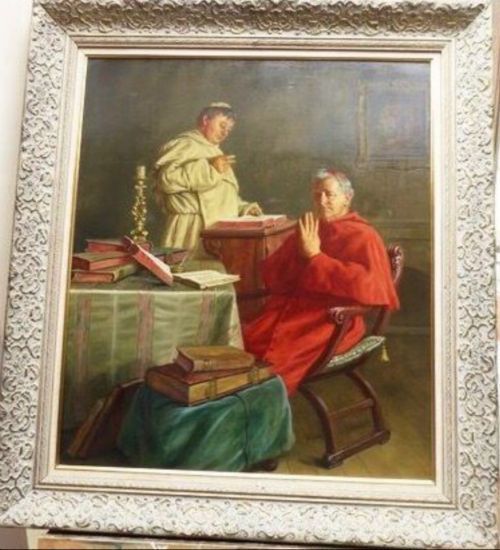
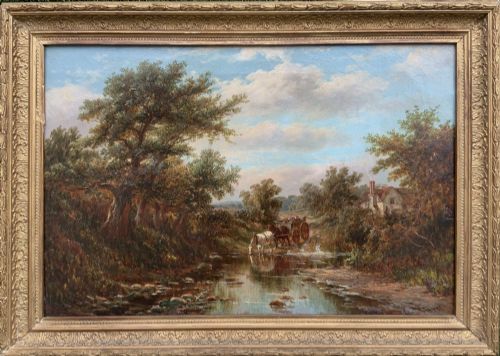
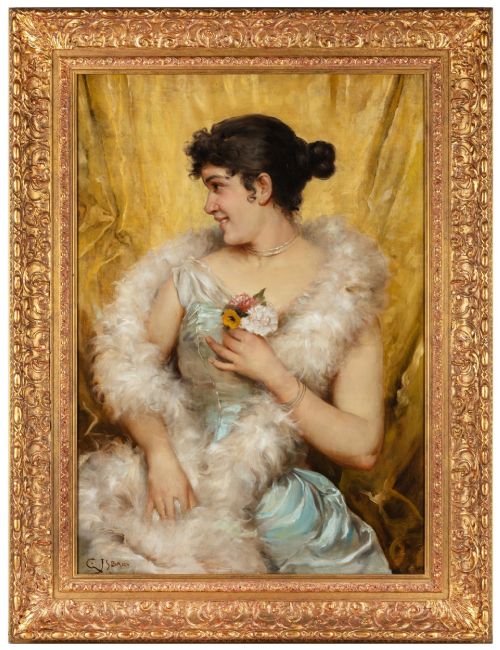
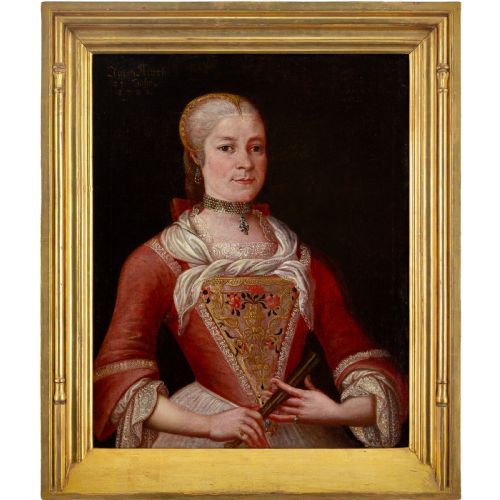
These classical oil wall art pieces bring centuries of traditional European painting into domestic spaces through meticulously rendered oil on canvas and panel.
Classical Oil Wall Art
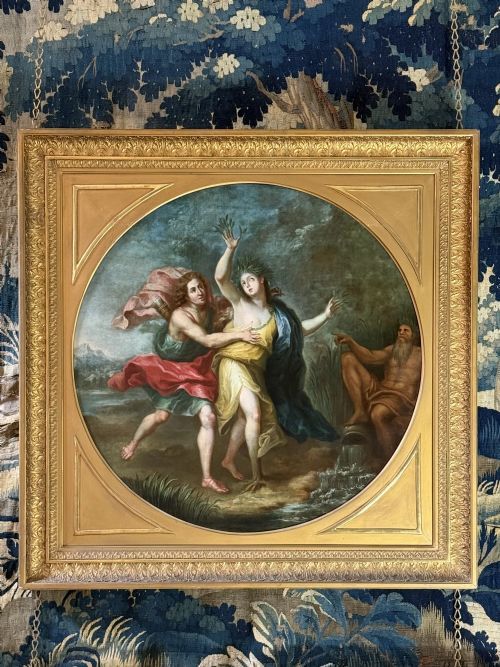
Classical oil wall art encompasses traditional paintings rendered in oil on canvas or wood panels, drawing heavily from historical periods ranging from the sixteenth century through the nineteenth century. Buyers searching this phrase typically encounter portraits, floral still lifes, and mythological scenes rooted in Dutch Baroque, French Rococo, and 19th Century Realism traditions.
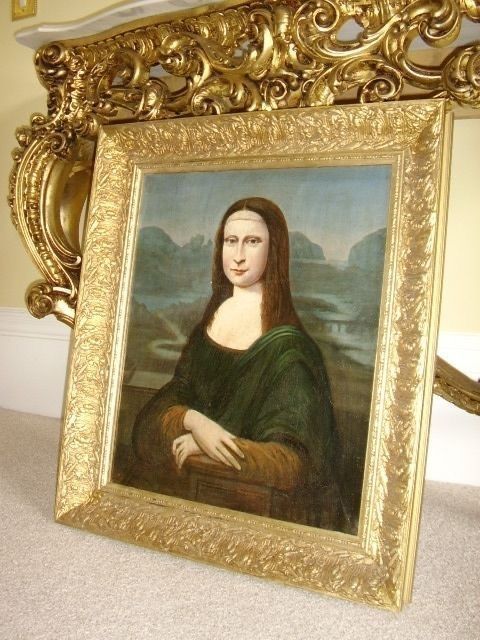
The selection ranges from original works by known European schools to later homages and interpretations after masters like Leonardo Da Vinci, François Boucher, and Sir Joshua Reynolds. Many of these pieces arrive set within period-appropriate gilt gesso frames that complement the grand scale of the canvases.
Materials and technique
The foundation of these works relies on stretched canvas or solid wood panels prepared with gesso layers to receive oil paint applications. Pigments were built up in translucent glazes and opaque layers to achieve deep shadow and luminous highlights, a technique perfected during the Renaissance and Baroque eras.
Frames frequently utilise carved wood finished with gold leaf, gilt, or moulded gesso ornamentation, providing structural support and decorative weight suited to the heavy paintings.
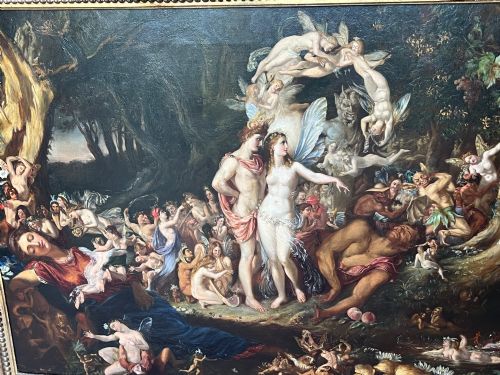
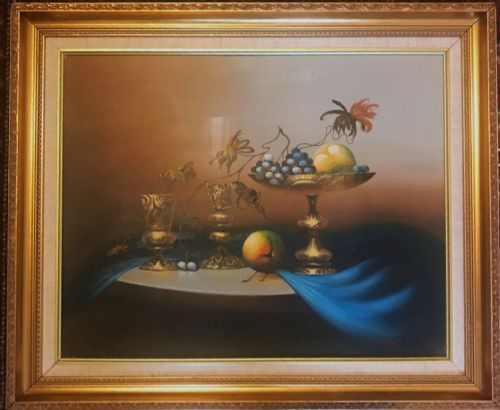
Several canvases capture elaborate scenes of fruit baskets raided by birds and mischievous fairies caught in midsummer dreams.
Judging quality
Quality rests in the subtlety of brushwork, the anatomical or botanical precision of the rendering, and the depth achieved through layered oil glazes. Superior examples demonstrate confident draughtsmanship and expressive handling of light, whereas lesser works rely on stiff contours or flat colour application.
The harmony between the canvas and its housing also dictates overall merit, particularly where hand-carved giltwood frames match the period and regional style of the painting within.
Carlo Ferranti·Ernst Stierhof·Charles Antoine Coypel·Pieter Borsseler·John Opie
The Classical Oil Wall Art Glossary
- Gesso
- A white paint mixture consisting of a binder mixed with chalk, gypsum, or pigment, used to prepare wood panels or canvases for oil painting. This foundational layer ensures a smooth and stable surface for subsequent pigment applications.
- Oil on Canvas
- A painting medium where pigments are suspended in a drying oil, typically linseed, and applied to woven fabric stretched across a wooden frame. This combination allows for rich colour blending and durability over centuries.
- Baroque
- An artistic style originating in Europe around the early seventeenth century, characterised by dramatic movement, deep shadows, and grand scale. Paintings from this movement use intense contrasts between light and dark to create theatrical atmosphere.
Classical Oil Wall Art: Frequently Asked Questions
What subjects appear in classical oil wall art?
Common subjects include formal portraiture, mythological narratives, and detailed still lifes featuring fruit and flowers. These themes reflect the dominant artistic preoccupations of European patrons across multiple centuries.
Religious scenes and pastoral landscapes also recur frequently, often rendered in the distinct styles of regional schools such as the Dutch Baroque or Italian Renaissance.
How should I hang heavy framed oil paintings?
Large canvases set in solid wood and gilt gesso frames require secure wall anchors fixed directly into structural studs. Professional picture hanging hooks rated for heavy loads ensure the weight is properly supported.
Positioning the artwork away from direct sunlight and steady heat sources protects the oil paint layers and the underlying canvas from premature drying and cracking.
Are these paintings original works or copies?
The inventory contains a mixture of original period pieces by named artists and regional schools, alongside traditional studies and interpretations after earlier masters. Attributions in the titles indicate whether a piece is an original creation or produced in the style or studio of a known painter.
Even works created after famous masters often date back centuries and hold significant historical value as period artefacts in their own right.
How do I care for antique oil on canvas?
Maintenance involves keeping the canvas in a room with stable humidity and temperature to prevent the wooden stretcher bars and gesso from warping. Dust should be removed gently using a soft, dry brush without applying pressure to the paint surface.
Professional cleaning and conservation work should be left to specialists if the varnish yellows or if the paint layer develops cracks over time.