


18th Century Fine Art Canvas
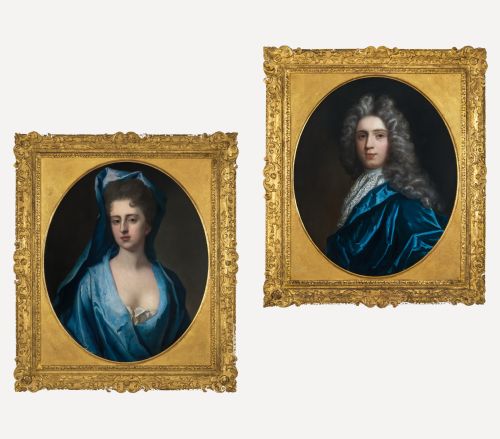
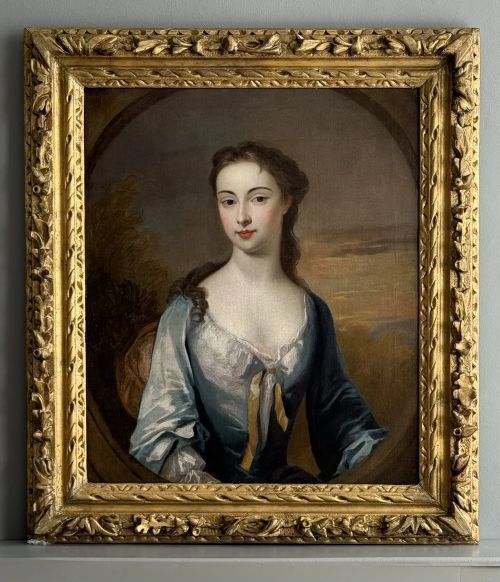
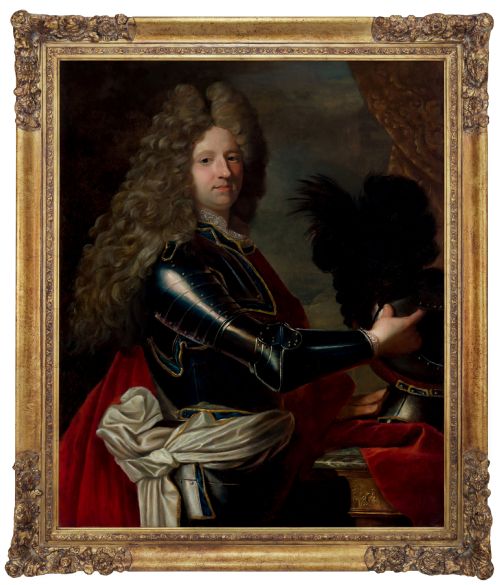
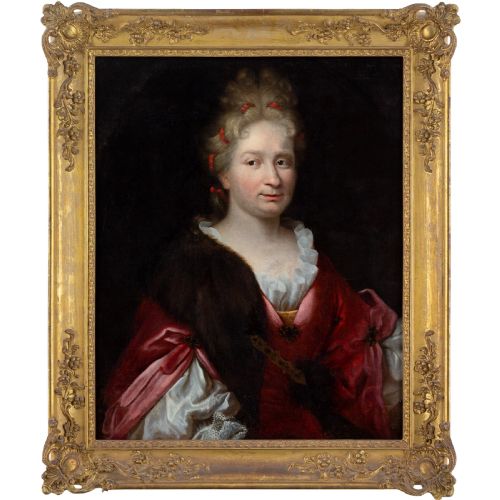
An 18th century fine art canvas captures the distinct portraiture and narrative scenes of the Georgian era through oil on stretched linen.
18th Century Fine Art Canvas
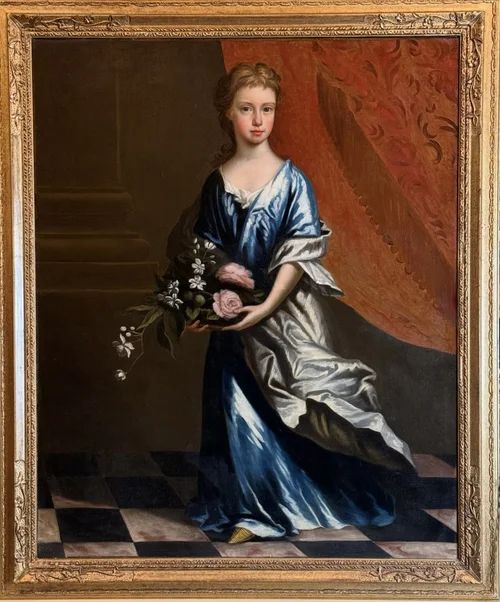
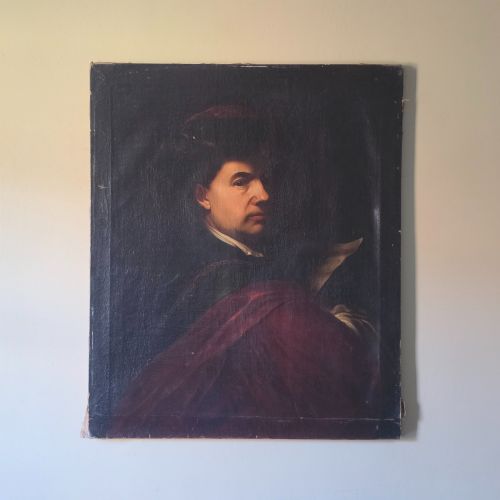
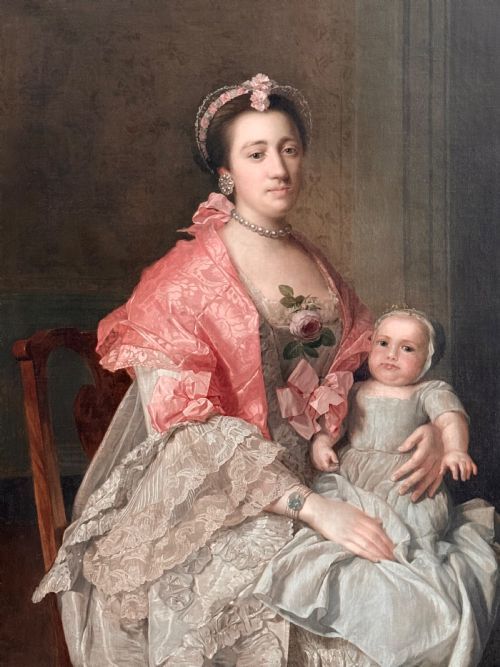
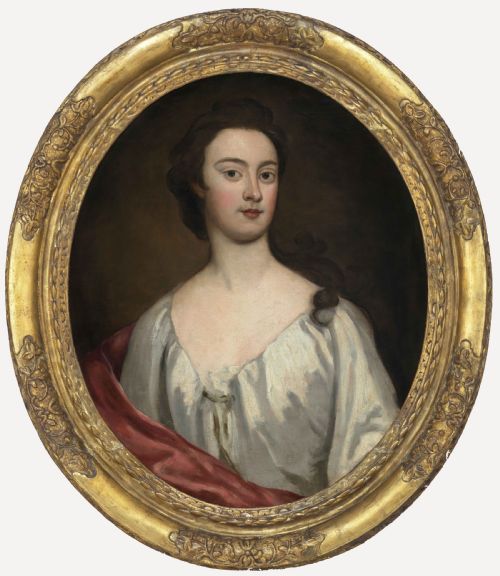
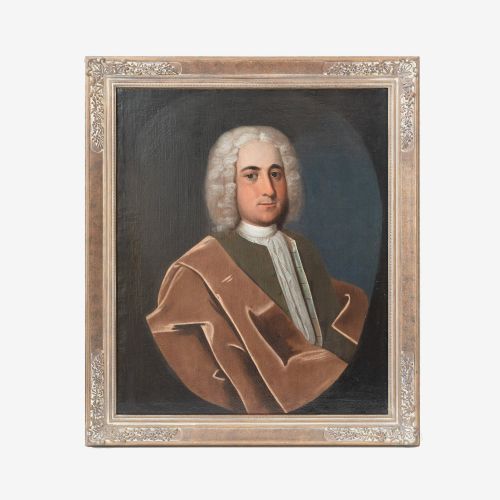
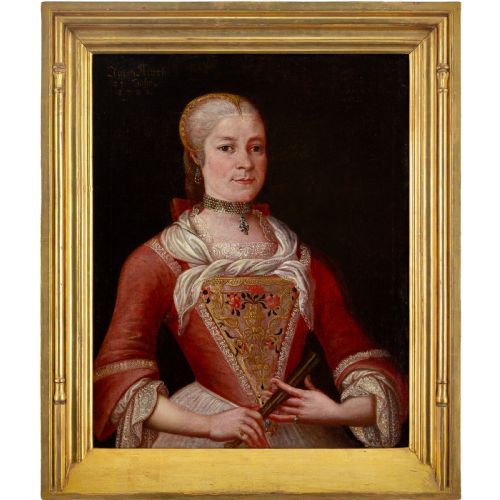
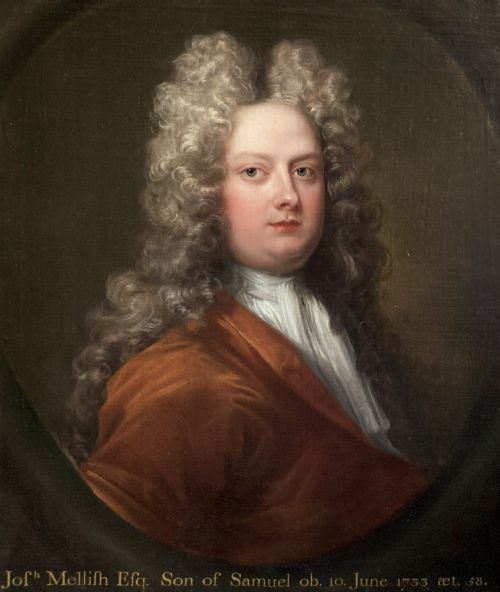
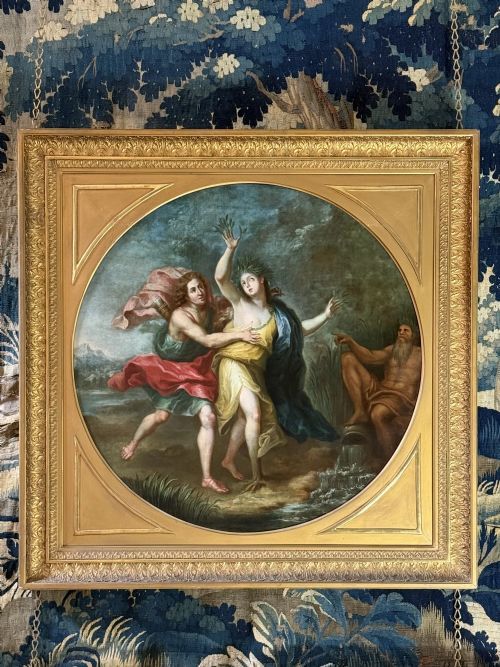
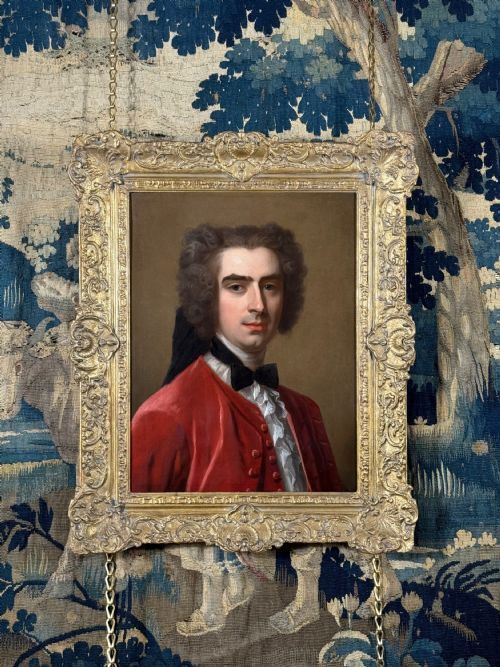
When searching for an 18th century fine art canvas, collectors encounter oil paintings primarily focused on portraiture and mythological or landscape scenes. These works originate from British, French, Italian, German, and Bavarian schools operating during the 1700s and surrounding decades. Portraits of gentlemen, ladies, and children dominate the selection, alongside genre paintings and classical compositions.
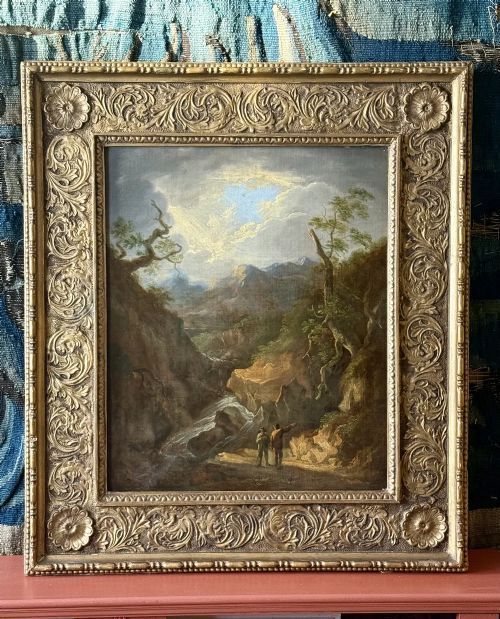
The pieces on this page reflect diverse regional approaches, from British studio portraits to Italian old master religious subjects and continental grand tour landscapes. Many pieces date directly to the 18th century, while others connect to that era through later 19th-century interpretations or copies after masters such as Leonardo da Vinci and Francois Boucher. Buyers primarily select these works to anchor traditional interiors with period-authentic character.
Materials and construction
The works utilise oil paint applied to woven canvas stretched over wooden frames, relying on traditional pigments bound in oil. Many pieces retain their period frames constructed from wood, embellished with gold leaf or formed as giltwood.
Makers built these paintings using layered oil techniques on prepared canvas, allowing for subtle tonal shifts in flesh tones and textiles. The structural support typically consists of a wooden stretcher frame that bears the tension of the woven canvas substrate.
The listings feature oil on canvas works spanning the 17th through 19th centuries, executed in Baroque, Rococo, and Georgian styles.
Evaluating quality and execution
Quality in these works rests upon the precision of brushwork, anatomical accuracy in portraiture, and the handling of light and shadow across drapery and skin. Studio pieces supervised by recognised painters demonstrate superior draughtsmanship compared to anonymous provincial school copies.
The preservation of the original paint surface and the stability of the canvas significantly influence the standing of a piece. Original giltwood frames matching the period of the painting further elevate the overall integrity of the object.
Jeremiah Davison·Sir William Beechey·Charles Jervas·Charles Antoine Coypel·Jean Baptiste Van Loo·George Willison·John Opie·Joshua Reynolds·Hendrik Willem Schweickhardt·Thomas Beach·Charles D Agar·Allan Ramsay·Robert Byng·Jacob Philipp Hackert·William Hogarth·Francis Hayman·Trajan Hughes·Joseph Vivienne
The 18th Century Fine Art Canvas Glossary
- Oil on canvas
- A painting technique where pigments suspended in drying oils are applied to a woven fabric support. This method allowed artists greater flexibility and blending capabilities than earlier panel painting.
- Giltwood
- Wood carved and surfaced with a thin layer of gold leaf or powder. It forms the decorative framing typical of high-status period artworks.
- Provenance
- The documented history of ownership of a work of art. It establishes authenticity and traces the lineage of the piece from its creation to the present.
- Old Master
- A European artist of high skill working before about eighteen hundred. The term also designates a painting created by such an artist.
- Genre painting
- The pictorial representation of scenes from everyday life. These works depict ordinary people engaged in common activities rather than historical or mythological subjects.
18th Century Fine Art Canvas: Frequently Asked Questions
What subjects appear on these canvases?
The listings feature formal portraits of sitters alongside classical mythology and landscape views. Portraits depict British and continental nobility, gentlemen, and children.
Narrative scenes draw from historical and literary sources, while landscapes capture grand tour vistas and pastoral settings with animals.
How do I identify the period?
Period attribution relies on the style of dress, hair, and framing typical of the seventeen-hundreds. Artists' signatures, recorded dates, and biographical records of sitters provide further confirmation.
Paintings executed after earlier works often indicate a nineteenth-century date while maintaining eighteenth-century subject matter.
Where were these paintings created?
The works originate from workshops across Britain and continental Europe. Regional schools include British, French, Italian, German, and Bavarian traditions.
Artists often trained in major cultural centres before producing commissioned portraits for local gentry and aristocracy.
How should I display an oil painting?
Hang the canvas away from direct sunlight and significant humidity fluctuations to protect the oil paint and wood support. Stable environmental conditions prevent cracking in the paint layer.
Pairing the canvas with a period-appropriate giltwood frame enhances its visual presence in a traditional interior.