
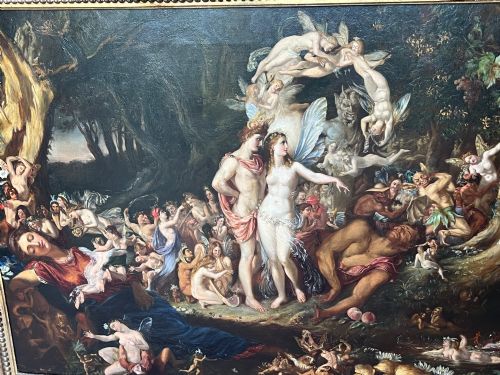
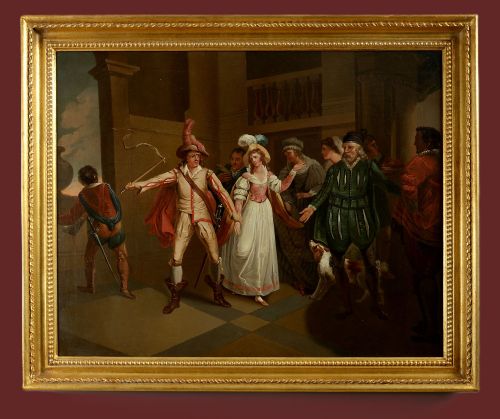
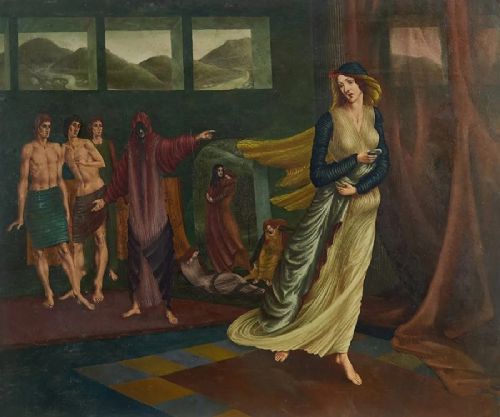
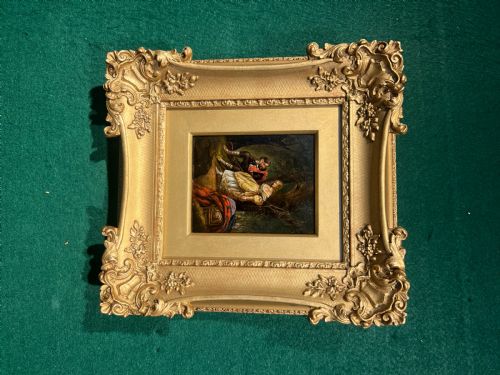




Classical Narrative Artwork
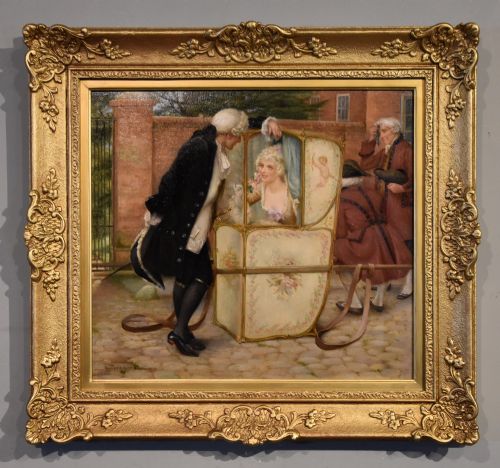
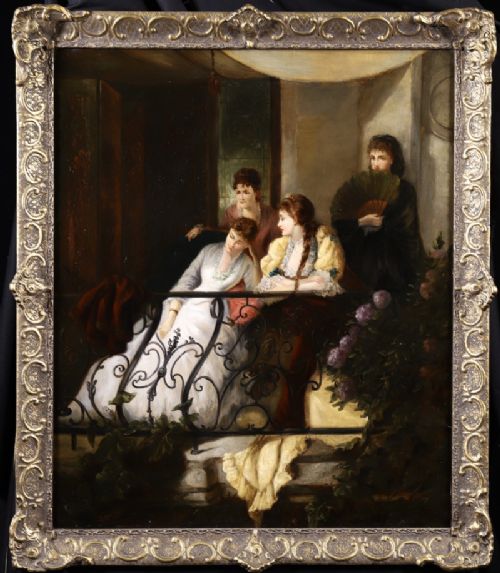
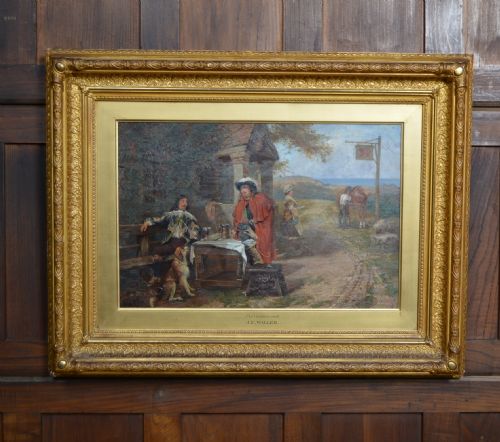
Classical narrative artwork brings literary, mythological and historical scenes into your room through painted oil and watercolour.
Classical Narrative Artwork
Classical narrative artwork tells a story from history, literature, myth or scripture through painted figures and dramatic composition. When you search for classical narrative artwork, you encounter oil paintings, watercolours and framed drawings from periods spanning the seventeenth century to the mid-twentieth century.
The versions most likely to meet you on this page are nineteenth-century oil paintings on canvas depicting literary or historical subjects. These pieces range from Shakespearean scenes and classical mythology to romantic genre portraits and biblical moments executed by British, French and Italian schools.
Makers and followers in these listings draw upon earlier masters, resulting in works that echo Italian Baroque, Rococo and Victorian aesthetics. You find framed sketches, copper panel paintings and large canvas portraits carrying distinct narrative threads.
Materials and construction
Artists painted these narrative scenes primarily with oil paint on canvas, though copper panels and paper also serve as supports. Giltwood and gesso frames enclose many of the works, providing structured borders that match the period of the painting.
Techniques range from detailed academic brushwork to looser nineteenth-century romanticism and symbolist application. Pigments sit upon prepared canvas or wood, sometimes augmented by watercolour washes in framed drawings.
Listings feature works executed across the eighteenth, nineteenth and twentieth centuries, using oil on canvas, copper and paper.
Distinctions in quality
Quality in these narrative pieces rests upon the surety of the draughtsmanship, the expressiveness of the figures and the depth of the composition. Stronger works render anatomy, drapery and dramatic lighting with conviction, whereas lesser pieces can feel stiff or formulaic in their staging.
The handling of the medium itself separates skilled hands from routine production. Subtle glazing, confident brushwork and coherent spatial depth elevate a canvas above standard decorative output.
Sir Joseph Noel Paton·Delapoer Downing·Friedrich von Kaulbach·William Edward Frost·Pietro D’asaro·Andrea Celesti·Peter Paul Rubens·Jules Girardet·Abraham Cooper·Alexandre Decamps·Eugene Hindle
The Classical Narrative Artwork Glossary
- Oil on Canvas
- Pigment mixed with drying oil applied to a woven fabric support. This combination allows for rich colour blending and lasting durability.
- Giltwood
- Timber carved and coated with gold leaf or a gold-coloured metallic finish. It frames many traditional paintings to enhance their visual weight.
- Genre Painting
- Depiction of aspects of everyday life by depicting ordinary people engaged in common activities. These scenes often carry subtle moral or narrative meanings.
- Nereid
- A sea nymph from Greek mythology frequently depicted in classical art. They often appear alongside marine creatures and classical deities.
- Copper Panel
- A smooth sheet of metal used as a rigid painting support. Artists favoured copper for its luminous surface and ability to hold fine detail.
Classical Narrative Artwork: Frequently Asked Questions
What subjects do these paintings show?
These artworks depict scenes drawn from classical mythology, Shakespearean plays, biblical stories and historical events. Figures act out dramatic moments ranging from courtly encounters to military conflicts.
Artists looked to literature, scripture and antiquity to provide recognisable narratives that engaged the intellect and emotions of viewers in past centuries.
How were these artworks displayed originally?
Owners hung these paintings in reception rooms, country houses and galleries within heavy giltwood frames designed to complement their grand scale. They served as focal points for conversation and cultural display.
Many works were commissioned or acquired to demonstrate the refined taste and classical education of the household.
How do I date a painting?
Dating relies upon stylistic clues, costume details, framing methods and signatures or inscriptions on the canvas or reverse. Portraiture and narrative clothing styles often reflect the fashion of the period in which the artist worked.
Comparative study of known works by school followers or listed artists helps narrow down the decade of creation.
How do I care for an oil painting?
Keep oil paintings away from direct sunlight, damp environments and rapid temperature fluctuations that can cause canvas tension to shift. Dust the surface and frame gently with a soft, dry brush without applying pressure.
Avoid using water or chemical cleaners on the paint surface or the giltwood frame.