



Victorian Mythological Art
Victorian mythological art brings legendary figures to life through nineteenth-century canvas, panel, and porcelain.
Victorian Mythological Art
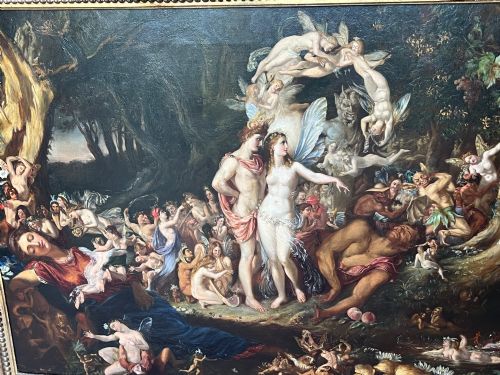
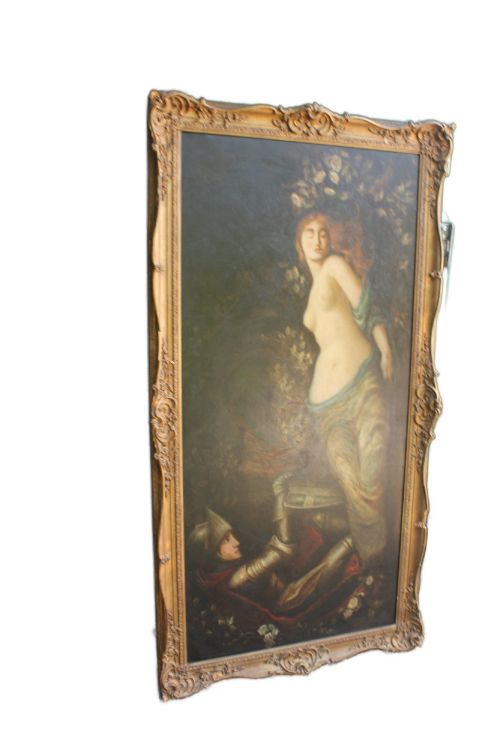
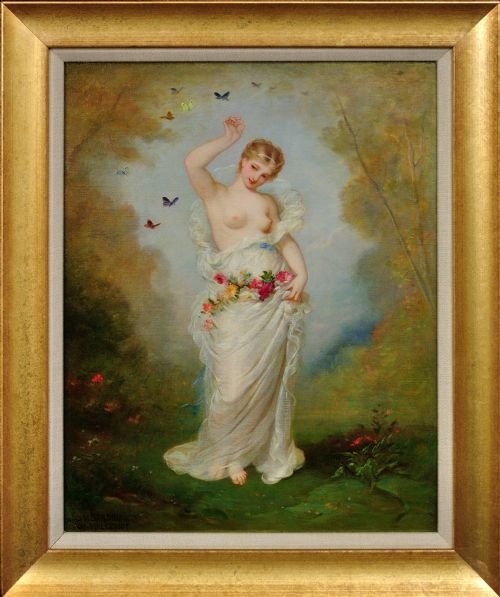
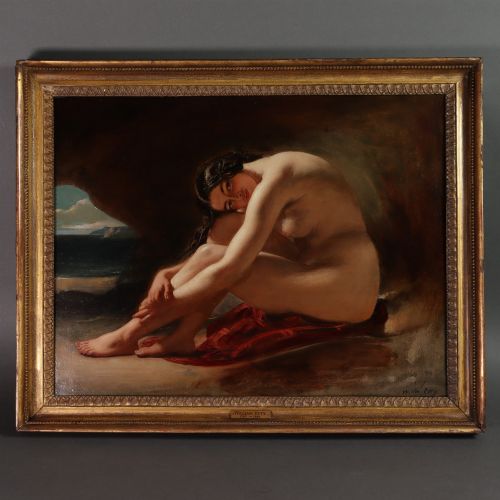
Victorian mythological art encompasses oil paintings, gouache works, and porcelain plaques depicting classical legends, fairies, and romantic subjects. These pieces span the nineteenth century and adopt styles ranging from French Academic and Neoclassical to Pre-Raphaelite.
Oil on canvas and oil on panel form the core of these listings, often framed in giltwood. Buyers frequently encounter framed paintings and fine art prints alongside decorative wall plaques and porcelain figurines.
How they were made
Artists painted in oil and gouache on canvas, paper, and wood panels, applying pigments to capture detailed mythological narratives. Metalworkers shaped copper, bronze, and sterling silver into repousse reliefs and match cases.
Potters and porcelain manufacturers produced moulded figures and decorative plaques, often finished with gilt wood frames or mounts.
Mermaids manage to find their way onto sterling silver match cases as well as grand nineteenth-century canvas paintings.
What varies in quality
The sophistication of the brushwork and the expressive depth of the mythological figures set the finer works apart. Superior pieces demonstrate confident draughtsmanship in depicting anatomy, drapery, and atmospheric lighting.
The choice of materials and the preservation of the original surface, whether oil on canvas or carved wood, dictate the standing of an individual work.
Sir Joseph Noel Paton·André Charles Voillemot·William Etty·Arthur Hacker·William Edward Frost·Louis Ernest Barris·Montagu Barstow·Royal Dux·Dresden
The Victorian Mythological Art Glossary
- Pre-Raphaelite
- A style associated with nineteenth-century artists who sought to revive the detailed observation and bright colour of Quattrocento art. This movement heavily influenced mythological and romantic subjects.
- Gouache
- An opaque water-based paint that dries to a matte finish. It provides rich colour saturation on paper and panel works.
- Repousse
- A metalworking technique where the artist hammers the metal from the reverse side to form a raised design. It appears on silver and copper relief items.
- Nereid
- A sea nymph from Greek mythology. These mythological figures frequently inspire classical and Victorian paintings.
Victorian Mythological Art: Frequently Asked Questions
What subjects appear in Victorian mythological art?
These works depict classical deities, nymphs, fairies, and romantic legends drawn from literature and antiquity.
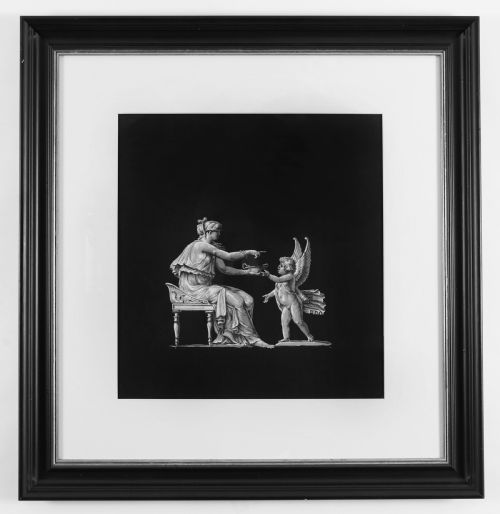
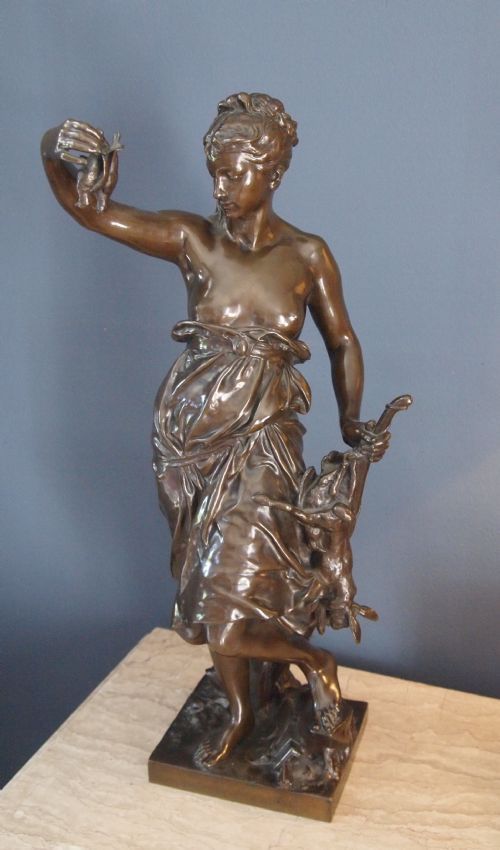
Subjects range from Venus and Cupid to dramatic scenes involving mermaids, sirens, and Diana the huntress.
How do I display these paintings at home?
Framed oil paintings and gouache works suit traditional living spaces, particularly when paired with period giltwood frames.
Smaller decorative items like porcelain plaques and repousse silver pieces work well on mantelpieces or within dedicated cabinets.
What periods do these pieces represent?
The selection spans the nineteenth century, capturing shifts in aesthetic taste from Neoclassical and Victorian Romanticism to Art Nouveau.
Dates cluster around the Victorian era, reflecting the period's fascination with classical narratives and fairy lore.
Are all pieces painted on canvas?
While oil on canvas is common, artists also utilised wood panels, paper, and gouache for their mythological compositions.
Three-dimensional items include porcelain figurines, sterling silver match cases, and bronzed copper reliefs.