



Edwardian Classical Figure Portrait
An edwardian classical figure portrait captures the timeless human form through the enduring lens of antiquity, offering interiors a dignified focal point.
Edwardian Classical Figure Portrait
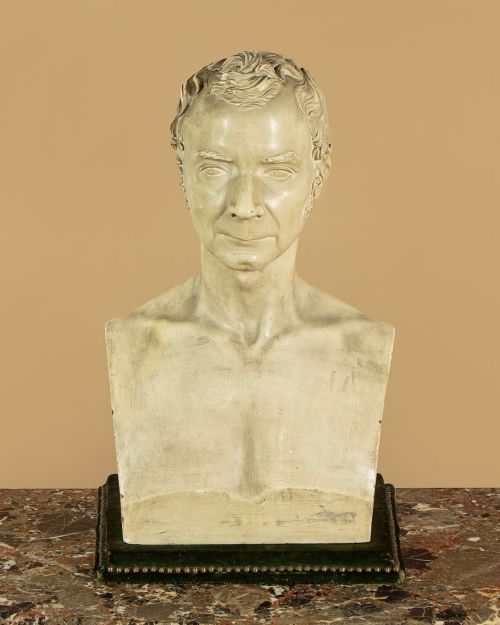
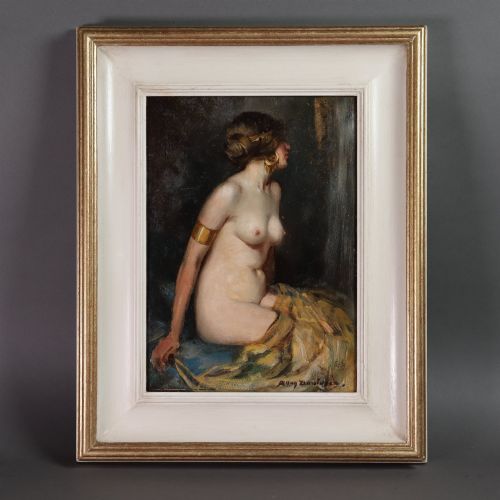
When searching for an edwardian classical figure portrait, you are looking at works that interpret historical or mythological human subjects through academic and revivalist traditions. The selection spans sculptural busts in alabaster and plaster alongside oil paintings and framed prints capturing figures from classical mythology or portraiture.
You are most likely to meet sculptural busts of gentlemen, women, and girls rendered in alabaster or plaster, alongside oil paintings on board depicting nudes and figures. These pieces draw heavily on Edwardian academic realism and classical revival aesthetics, bringing sculptural weight and painted depth to domestic spaces.
Materials and Construction
Makers utilised traditional sculptural materials including carved alabaster, moulded plaster, and occasionally terracotta or marble paired with ormolu mounts. These mediums allowed artists to achieve smooth, tactile surfaces that mimic the appearance of antique marble.
Painted works employ oil paint applied to board or canvas, capturing rich tones and subtle light effects across figural subjects. Metalwork such as silver mounting also appears on smaller wearable pieces like cameos from the period.
The object forms recorded here range from large sculptural portrait busts and framed prints to oil paintings on board and silver-mounted cameos.
Judging Quality in Figurative Works
The choice of medium and the finesse of the base or mount also dictate the tier of a piece. Finer alabaster and detailed marble or ormolu combinations elevate sculptures above standard moulded plaster examples.
Allan Douglas Davidson·James Clark·Arthur Hacker·William Edward Frost·G.V. Vaerenbergh
The Edwardian Classical Figure Portrait Glossary
- Alabaster
- A fine-grained, translucent stone often used for carving sculptural busts and decorative objects. It provides a soft, luminous quality resembling marble.
- Academic Realism
- An artistic style stemming from European academies that prioritises accurate anatomy, polished surfaces, and classical subject matter. It defines much of the figurative output of the period.
- Ormolu
- Gilded bronze used for decorative mounts and bases on sculptures and decorative arts. It adds a warm metallic contrast to stone and marble.
- Terracotta
- Fired clay used for sculptural works, offering a warm reddish-brown hue and a tactile matte finish. It allows sculptors to capture fluid modelling details.
Edwardian Classical Figure Portrait: Frequently Asked Questions
How do I display a bust?
Sculptural busts require a stable surface such as a heavy sideboard, console table, or dedicated column where their weight is securely supported. Positioning them at eye level allows the viewer to appreciate the facial modeling and material texture.
Ensure the piece is placed away from direct sunlight or heavy foot traffic to protect softer materials like plaster and alabaster from accidental damage or discoloration.
What is academic realism?
Academic realism refers to the painting and sculptural style promoted by European art academies during the nineteenth and early twentieth centuries. It emphasises rigorous training, accurate human anatomy, and traditional classical themes.
Works in this style prioritize polished techniques, lifelike proportions, and clear narrative or mythological subjects over experimental abstraction.
Are these works original?
The selection includes period pieces created during the nineteenth and early twentieth centuries, reflecting the enduring popularity of classical revival themes. Signatures, materials, and mounting styles help establish their period of origin.
Examining the backing boards, casting seams, or material patination provides clear indicators of age and method of manufacture.