


Academic Realism Portrait
An academic realism portrait brings the precision and character of nineteenth- and early twentieth-century portraiture directly to your wall.
Academic Realism Portrait
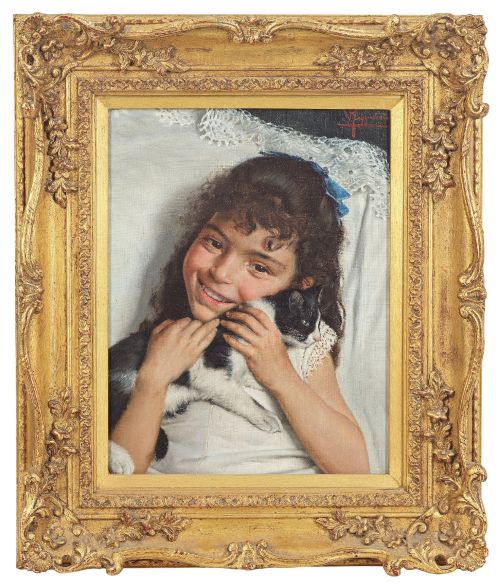
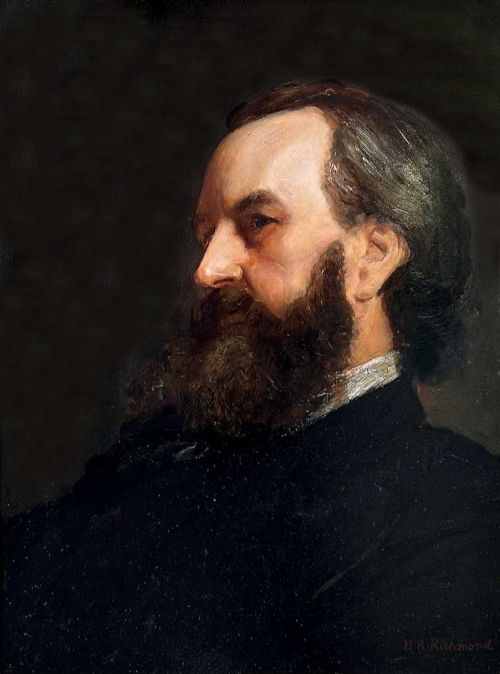
When you search for an academic realism portrait, you encounter framed oil paintings and works on paper created across the nineteenth and twentieth centuries. These artworks depict identifiable sitters, from gentlemen and musicians to young women and historical characters, rendered with disciplined technique.
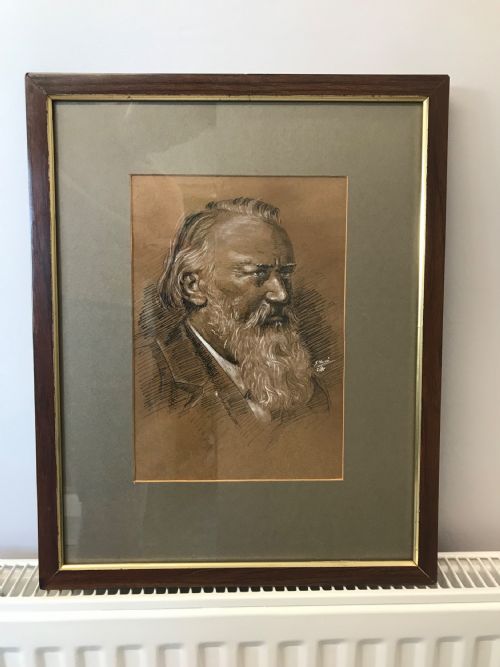
The pieces on this page span Victorian British works, French academic compositions, and continental European paintings from dates such as 1860, 1880, and 1930. You are most likely to meet framed oil on canvas works alongside occasional panels and drawings executed in pen, ink wash, and gouache.
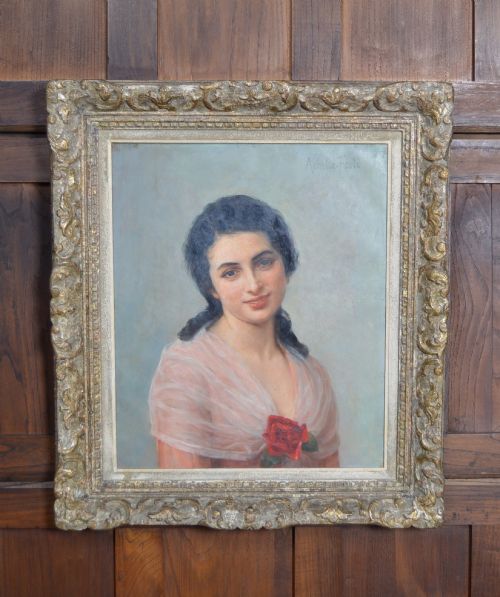
Subjects range from formal gentlemanly portraits and actors to genre studies of Italian women and figures with literary or theatrical themes. Each piece reflects the rigorous training of academies where likeness, lighting, and detail governed the painter's hand.
Materials and construction
Painters applied oil pigments onto stretched canvas or wooden panels, building rich surfaces that capture subtle shifts in light and shadow. Works on paper utilise pen, ink wash, and gouache to achieve similarly careful tonal gradations.
Finished works sit within period frames constructed from wood, gesso, and giltwood. These frames provide structural support and complete the visual presentation of the canvas or panel.
Portraits include depictions of gentlemen, musicians, actors, and historical figures created by British, French, German, and Italian artists.
Quality and execution
Quality rests in the precision of the drawing and the control over facial expression, texture, and light. Stronger works demonstrate a confident handling of skin tones, textiles, and background depth that brings the sitter to life.
The integration of the artwork with its period frame also influences the overall integrity of the piece. Well-preserved surfaces retain their original varnish layers and pigment depth without heavy restoration altering the artist's touch.
Vittorio Reggianini·William Blake Richmond·Achille-Fould·Charles Zacharie Landelle·Ferdinand Victor Leon Roybet·Hans Temple·Pierre Louis Joseph De Coninck·Arthur Spooner·Geza Vastagh·Alfred Seifert·George R Havelka
The Academic Realism Portrait Glossary
- Academic Realism
- A style of painting rooted in the rigorous standards of European art academies, prioritising lifelike representation, accurate anatomy, and careful observation. This approach produced highly detailed portraits and genre scenes.
- Oil on Canvas
- Pigments mixed with drying oils applied to a woven fabric support stretched over a wooden frame. It remains the primary medium for durable, textured fine art paintings.
- Gesso
- A plaster-like mixture applied to wooden frames or panels to create a smooth surface for gilding or painting. It provides the foundation for ornate period framing.
- Giltwood
- Wood carved and coated with gold leaf or a gold-coloured finish. It frequently frames nineteenth-century portraits to add warmth and distinction.
- Genre Portrait
- An artwork depicting a subject in a fictional, everyday, or narrative setting rather than a formal commission. These pieces often capture character types such as musicians or regional figures.
Academic Realism Portrait: Frequently Asked Questions
What is an academic realism portrait?
An academic realism portrait is a painting or drawing created under the formal training methods of nineteenth- and twentieth-century European academies. These works emphasise precise anatomical structure, lifelike lighting, and detailed representation of the sitter.
Subjects include gentlemen, musicians, actors, and historical figures captured in oil on canvas, panel, or works on paper.
How do I date these portraits?
Dating relies on stylistic clues, artist signature records, and framing materials associated with the nineteenth and twentieth centuries. Many pieces carry inscriptions, signatures, or dates provided by the artist.
Victorian and continental European works often reflect the fashion and painting conventions of specific decades such as the 1860s, 1880s, or 1930s.
Where should I hang an oil portrait?
Hang your oil portrait on an interior wall away from direct sunlight and excessive moisture to protect the canvas and frame. Stable room temperatures prevent the wood and gesso from cracking over time.
Pair the painting with appropriate wall lighting to highlight the brushwork and subtle tonal gradations of the subject.
How were these paintings framed?
These portraits were housed in wooden frames finished with gesso and giltwood to complement the formality of the artwork. The ornate mouldings reflect the period aesthetics of Victorian and continental framing traditions.
Original frames provide context and enhance the visual presence of the oil painting on canvas or panel.