
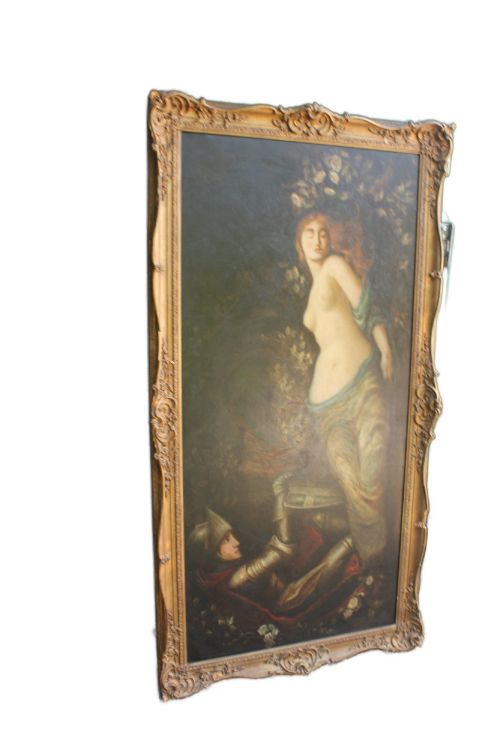
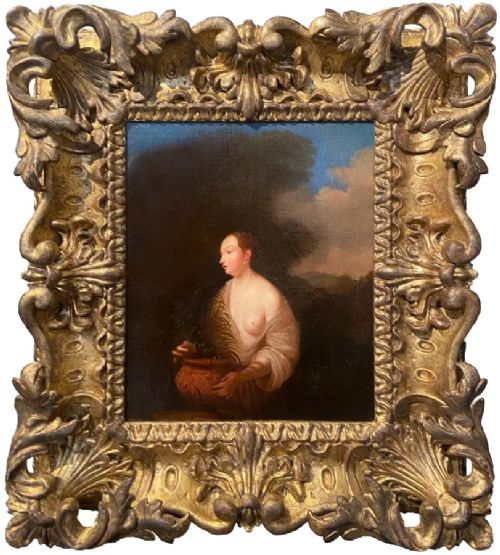
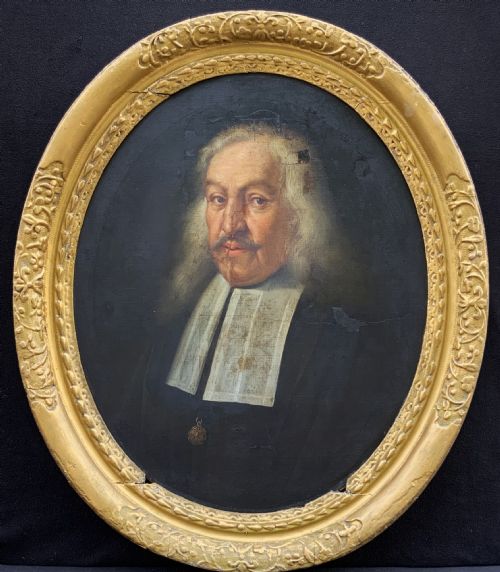
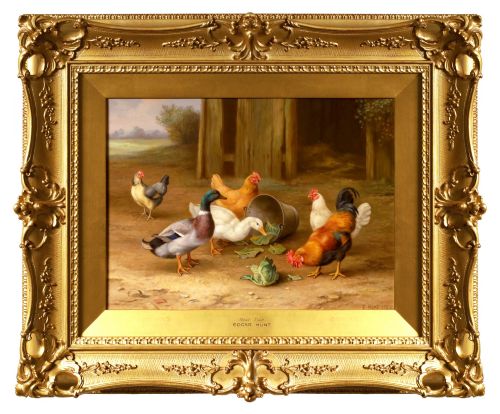

Ornate Framed Portrait Painting
When you search for ornate framed portrait painting, you encounter historic depictions housed within elaborate surrounds.
Ornate Framed Portrait Painting
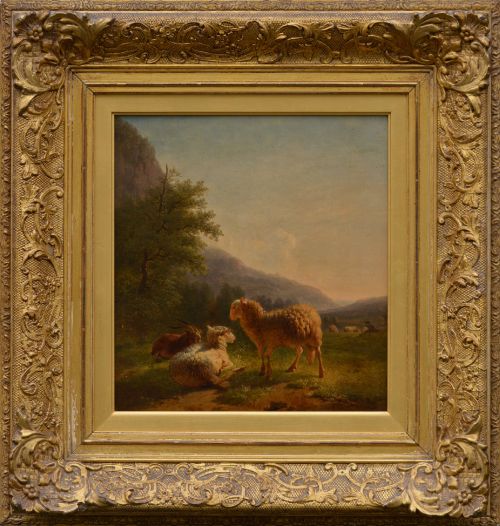
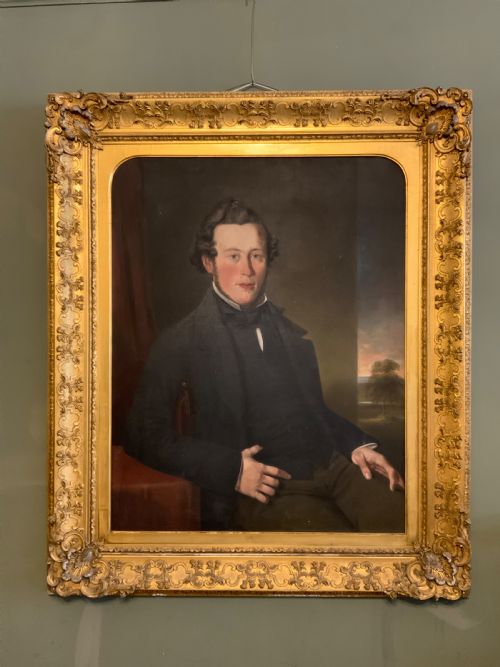
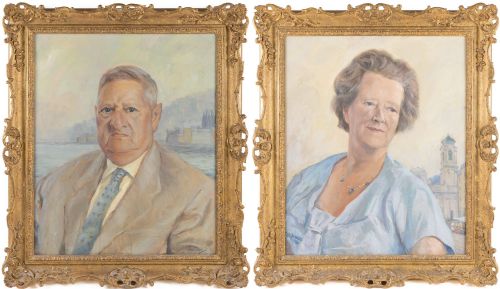
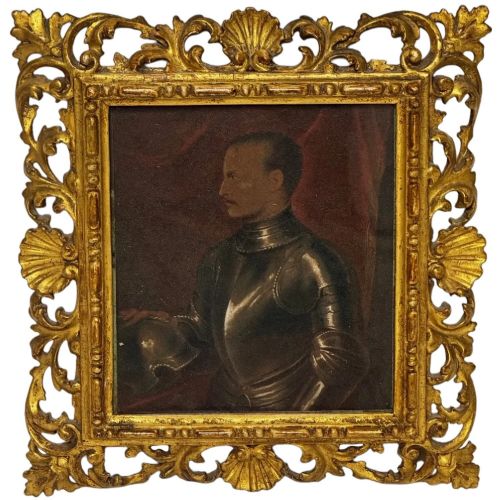
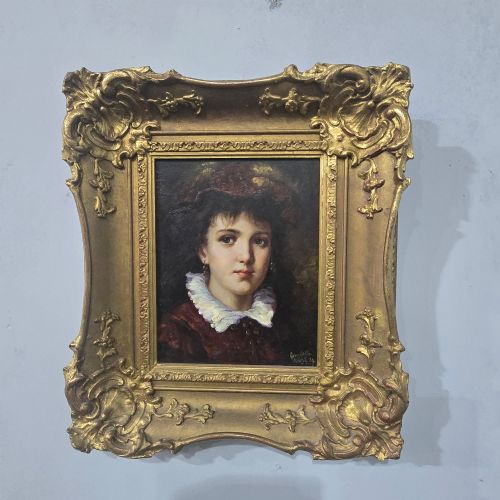
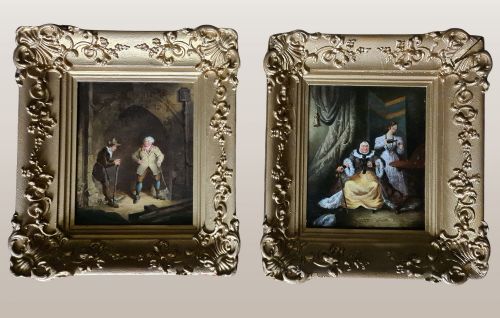
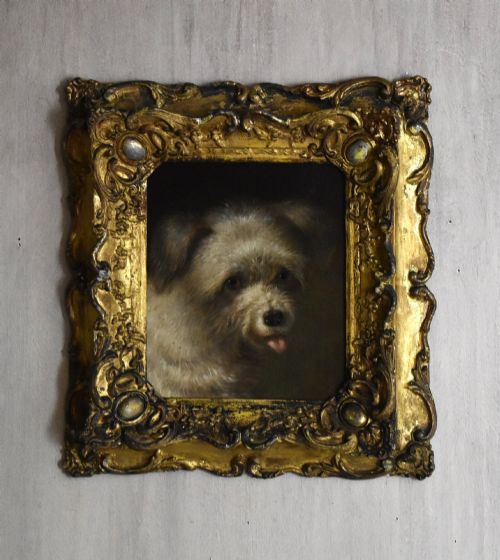
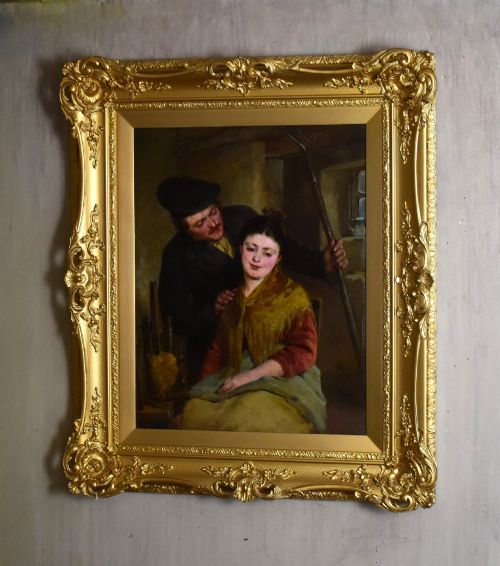
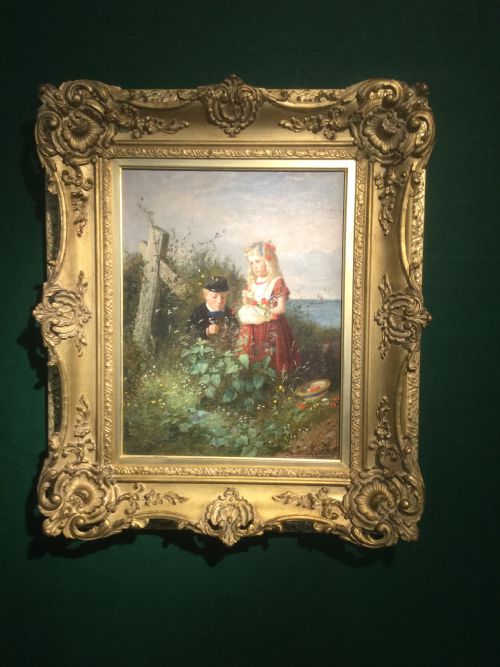
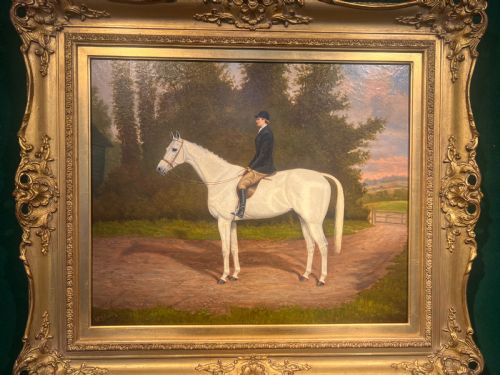
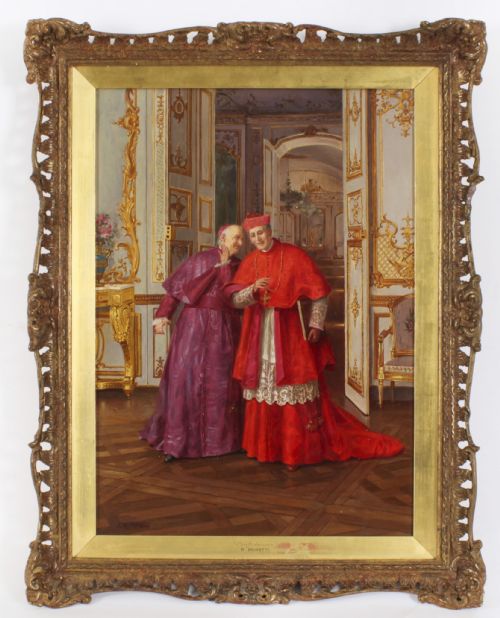
An ornate framed portrait painting brings together historical likenesses and decorative housings from periods such as the seventeenth century, the Regency era, and the Victorian age. The works depict gentlemen, children, ladies, and animals through mediums ranging from oil on canvas to pastel and gouache.
Most examples found on this page date from the nineteenth century, showcasing academic realism, Dutch school influences, and Victorian realism within deeply moulded surrounds. These pieces serve as focal points that retain the aesthetic weight of their original eras.
How they were made
Makers built the surrounds using wood as a base, applying layers of gesso to sculpt intricate relief details before finishing the surfaces with gold leaf and giltwood. Canvases and boards received applications of oil paint, while works on paper utilised pastel and gouache.
Techniques relied on traditional joinery for the heavy frames and layered pigments for the portraits, creating durable objects that combine painterly depth with sculptural ornament under glass or open mounts.
Cats and hounds share wall space with stately gentlemen, proving that historic portraiture welcomed beloved family pets alongside nobility.
What varies in quality
Lesser items exhibit simpler framing or more mechanical painting techniques, where the surface lacks the subtlety of handling found in works by established artists and skilled artisans.
Eugène Verboeckhoven·Martin Theodore Ward·Howard Helmick·Edgar Hunt·David Teniers The Younger·Frank Moss Bennett·Henry John Yeend King·Sir Edwin Landseer
The Ornate Framed Portrait Painting Glossary
- Giltwood
- Wood carved and covered with a thin layer of gold leaf or metallic gilt. This finish provides the bright, reflective surface characteristic of period frames.
- Gesso
- A plaster mixture applied to a wooden frame base and sculpted into relief ornaments. It creates the raised patterns that catch the light around the canvas.
- Oil on Canvas
- Pigments bound in an oil medium spread across a woven fabric support. This combination allows for rich colour blending and long preservation.
- Genre Painting
- Artwork depicting scenes from everyday life involving ordinary people. These works capture domestic moments rather than formal historical subjects.
- Swept Frame
- A frame style featuring scrollwork and curved moulding swept outward from the centre. This design adds dramatic movement to the perimeter of the portrait.
Ornate Framed Portrait Painting: Frequently Asked Questions
What periods do these paintings cover?
The selection spans several centuries, starting from seventeenth-century old masters through Regency and Victorian periods up to mid-twentieth-century works.
Most items originate from the nineteenth century, reflecting stylistic shifts from academic realism to pre-raphaelite and Edwardian compositions.
How should I hang an ornate frame?
These heavy pieces require robust wall fixings due to the substantial weight of wood, gesso, and glass assemblies. Ensure the anchor secures directly into solid masonry or stud work.
Position the artwork at eye level in a room with stable humidity to protect both the canvas and the gilded wood surround from moisture changes.
Are all portraits painted in oil?
While oil on canvas and oil on board dominate the selection, artists also utilised pastels, gouache, and watercolour on paper or board.
Works executed on paper typically feature protective glass and deep glazed box mounts to safeguard the delicate pigments from atmospheric damage.
How do I distinguish nineteenth-century frames?
Nineteenth-century frames often display moulded gesso ornamentation over a wooden core, finished with gold leaf or giltwood highlights. Victorian and Regency examples lean towards deep profiles and decorative corner cartouches.
Examining the construction methods on the reverse reveals period joinery techniques that separate older housings from modern reproductions.