


Pink Portrait Oil Painting
A pink portrait oil painting brings together historical likeness and warm, delicate pigment, capturing sitters from the seventeenth century onwards.
Pink Portrait Oil Painting
When you search for a pink portrait oil painting, you encounter works spanning the seventeenth, eighteenth, and nineteenth centuries, alongside twentieth-century examples. The subjects range from aristocratic ladies and children to historical figures and anonymous sitters rendered in oil on canvas or board.
The material evidence shows works originating from British, French, Norwegian, and Hungarian schools, reflecting diverse regional approaches to oil painting across several distinct stylistic periods.
Pigments and Supports
Painters applied oil paint directly to woven canvas, wooden panels, or paper supports, utilising traditional ground layers to build depth and luminosity. The characteristic pink tones were achieved through mixtures of lead white and red lake pigments, which reacted distinctively over centuries.
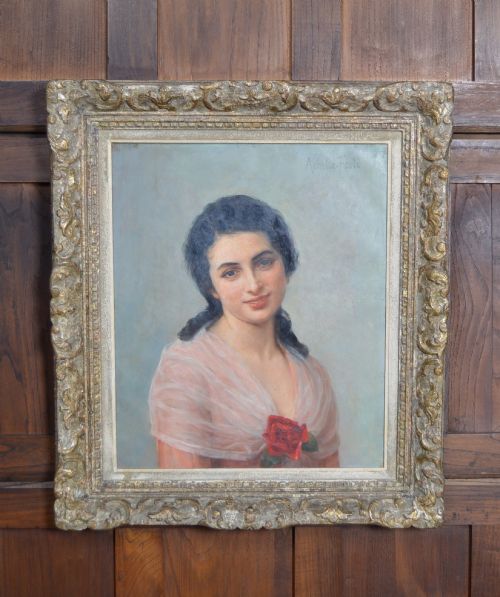
Many of these canvases remain set within carved and gilded wooden frames, known as giltwood, which complement the warm undertones of the painted portraits.
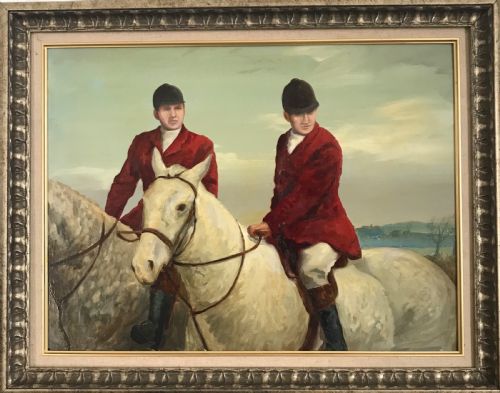
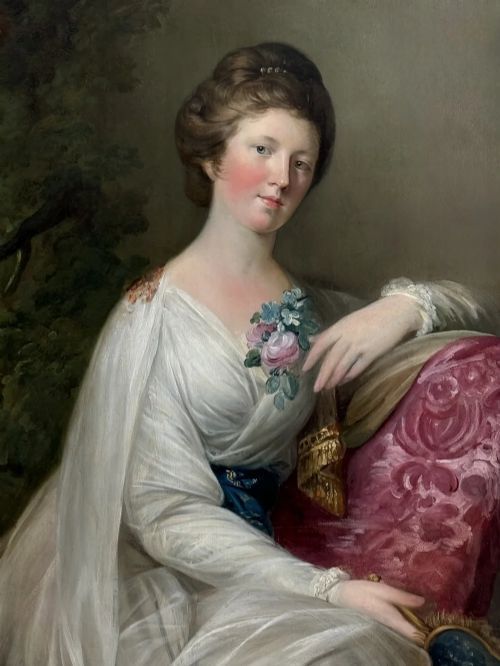
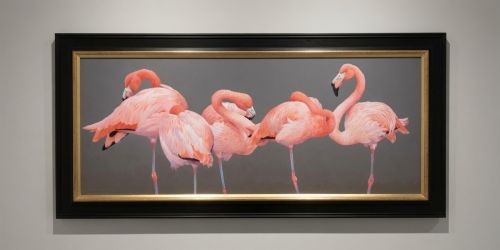
Several ladies share space on these walls with flamingos, a ballerina, and a curious king out hunting.
Evaluating Execution and Preservation
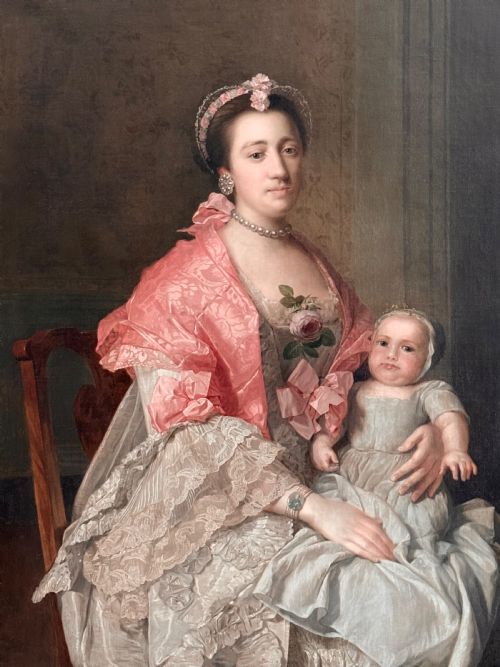
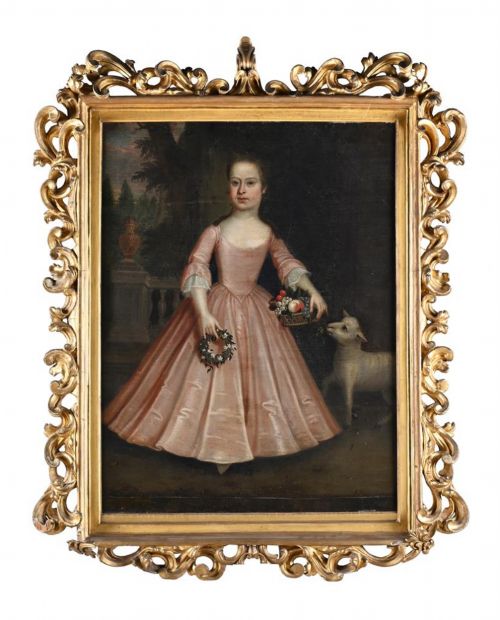
The distinction between standard works and masterworks lies in the subtlety of brushwork, the anatomical conviction of the face and hands, and the psychological depth of the sitter. Superior examples demonstrate confident handling of fabric folds and light, particularly in the rendering of silk and satin garments.
Condition and originality also dictate the standing of a piece, specifically the stability of the oil paint layer, the presence of historical lining, and the integrity of the original stretcher or frame.
George Willison·Sir Allan Ramsay·Tilly Kettle·George Knapton·Franz Xaver Winterhalter·Michael Dahl
The Pink Portrait Oil Painting Glossary
- Giltwood
- Wood that has been coated with a thin layer of gold leaf or gold paint. This technique was widely used for framing historical oil paintings from the seventeenth century onwards.
- Oil on Canvas
- A traditional painting medium where pigments are suspended in a drying oil, usually linseed, and applied to stretched fabric. It became the primary support for fine art portraits from the Renaissance.
- Naive School
- Art created by individuals without formal academic training, characterised by a direct and unpretentious perspective. Works from this tradition often emphasise pattern and bold outline over strict proportion.
Pink Portrait Oil Painting: Frequently Asked Questions
How do I date an old portrait?
Dating relies primarily on the style of clothing, hair, and lace depicted in the artwork, which shifted rapidly across decades. Comparing the technique, canvas preparation, and framing style with documented works by known schools or artists provides further confirmation.
Signatures, inscriptions on the reverse, or archival records attached to the stretcher also help narrow the timeframe. Experts examine the craquelure pattern in the oil paint layer to assess age.
What is a circle of attribution?
An attribution to the circle of an artist indicates that the painter worked in close proximity to a master, absorbing their specific style and methods. This term denotes high competency and a direct stylistic link without claiming the master's own hand.
These pieces often date from the same period as the named master and share identical technical characteristics in pigment application and composition.
Why are pink garments common in portraits?
Pink and rose pigments denoted wealth, status, and fashion in portraiture, particularly during the seventeenth and eighteenth centuries. The colour brought warmth to the skin tones of the sitter and allowed artists to display their skill in rendering delicate textiles.
Silk and satin dresses in shades of pink highlighted the affluence of the patron through the expensive manufacture of the dyes used.