


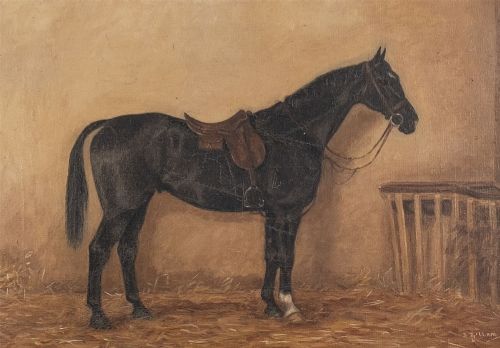
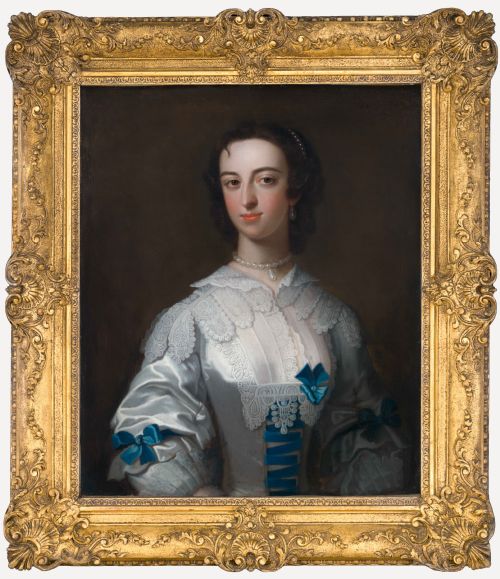
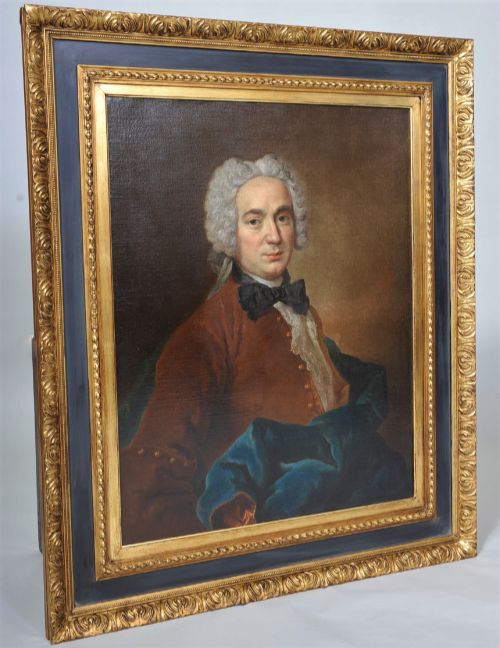
Original Oil on Canvas Portrait
An original oil on canvas portrait captures centuries of individual likenesses, offering buyers tangible links to historical figures through enduring painted artistry.
Original Oil on Canvas Portrait
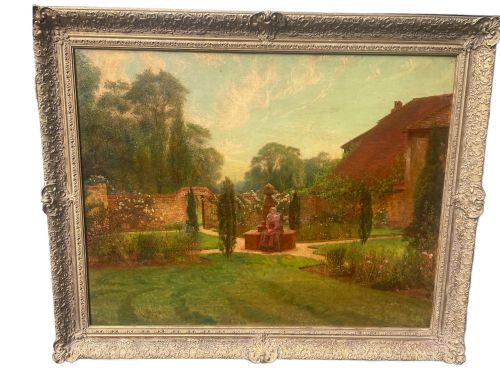
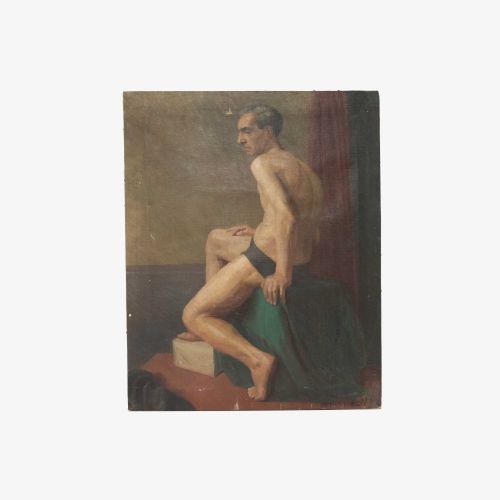
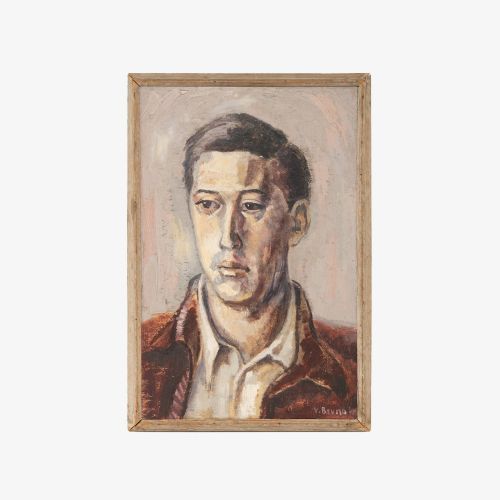
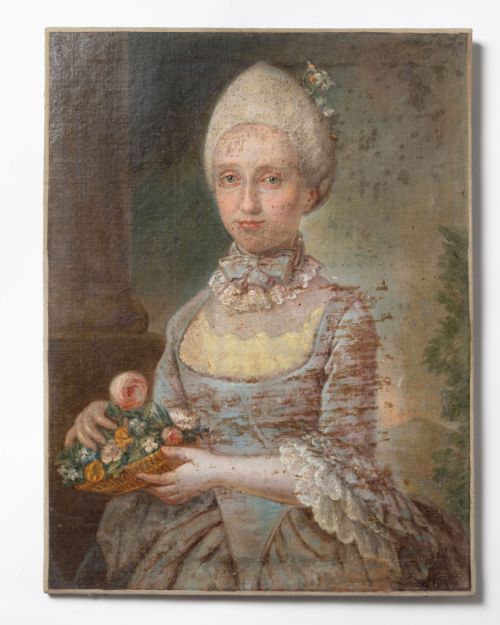
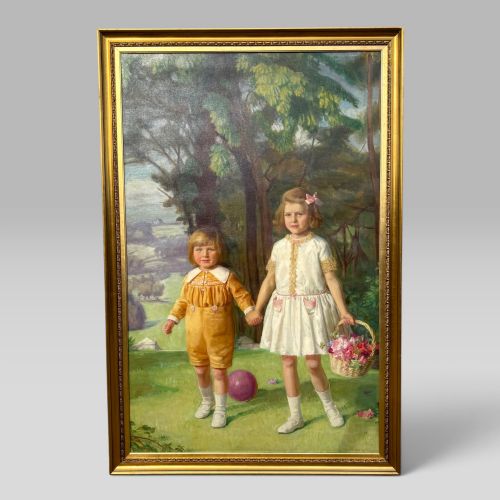
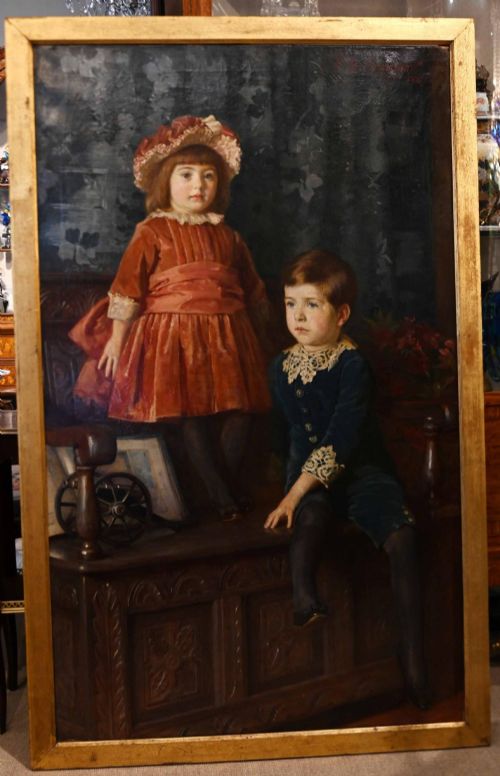
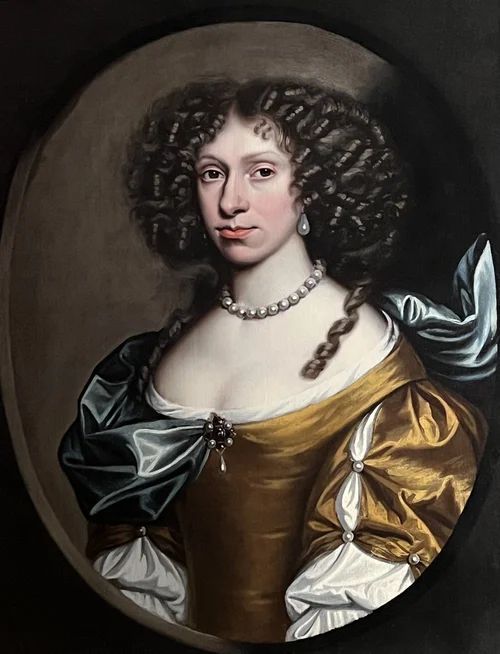
An original oil on canvas portrait presents the painted likeness of a specific individual, spanning centuries of artistic output from the seventeenth century through to the mid-twentieth century. Buyers searching this phrase encounter works depicting nobility, tradesmen, children, and self-portraits created by diverse British, French, and European schools.
The selections range from tightly rendered Georgian and Regency formal studies to relaxed Edwardian and mid-century interpretations. Many pieces arrive housed in period giltwood frames that complement the canvas work.
Common subjects include seated gentlemen, society ladies, and historical figures, recorded by named artists or anonymous regional hands working in oil paint.
How They Were Made
These works utilise oil paint applied to woven canvas supports, sometimes stretched over wooden frames or historically laid onto board or panel supports. Artists built up the composition using layers of pigment, exploiting the slow-drying and blendable nature of oil to render realistic flesh tones and fabric textures.
Frames made of gilt wood or giltwood frequently enclose the canvas, adding architectural weight and decorative depth to the finished artwork.
Original Oil on Canvas Portrait Retail Price Guide 2026
Typical asking prices for original oil on canvas portrait among the pieces listed under this phrase on Sellingantiques today, from the lower quarter to the upper quarter. They describe what is for sale here now, not the wider market.
Listings feature oil paintings on canvas spanning from the seventeenth century through to the mid-twentieth century.
What Varies in Quality
The capability of the hand behind the brush dictates the nuance of expression, the anatomical accuracy of the hands and face, and the convincing fall of light across drapery. Master painters command a fluency in handling pigment that brings a sitter's gaze and character forward with striking immediacy.
The preservation of the original canvas surface, the stability of the paint layers, and the retention of period-appropriate framing contribute significantly to the standing of an individual portrait within the broader field of fine art.
Eugène Verboeckhoven·David Scougall·Bernard Hailstone·John Hayls·Charles Jervas·Lemuel Francis Abbott·Kenneth Cozens·Vittorio Reggianini·Margaret Sarah Carpenter·John Opie·Adelaïde Salles-Wagner·Max Kaltenmoser·James Howe·Carl Felkel·Joseph Biel·Oilver Messel·Herbert Ashwin Budd·Louis Charles Verwee·Gladys Marguerite Baker·William Blake Richmond·Stephen Pearce·Henry Windsor Fry·Edgar Hunt·Harold Knight·Albin Mattenheimer
The Original Oil on Canvas Portrait Glossary
- Canvas
- A heavy woven fabric, typically linen or cotton, stretched tightly across a wooden stretcher frame to serve as the foundational surface for oil paintings.
- Giltwood
- Wood, such as carved pine or oak, that has been coated with a thin layer of gold leaf or gold paint, commonly found on antique picture frames.
- Oil Paint
- A slow-drying paint made by combining pigment particles with a drying oil, most frequently linseed oil.
- Realism
- An artistic movement and style focused on depicting subjects truthfully and accurately without artificiality, spanning various 19th-century European and British schools.
- Attributed to
- A term used when a painting is considered by experts to be the work of a specific artist, though without absolute proof of authorship.
Original Oil on Canvas Portrait: Frequently Asked Questions
What is an original oil on canvas portrait?
It is a hand-painted artwork created by an artist applying oil-based pigments directly onto a woven fabric surface stretched across a wooden frame, depicting a real person.
These pieces capture the authentic likeness and character of sitters from past centuries, serving as both historical records and fine art.
How can I tell the period of a portrait?
The clothing, hairstyles, and accessories worn by the sitter often provide the clearest immediate clues to the decade or century in which the portrait was painted.
Additionally, the style of the brushwork, the preparation of the canvas, and the design of any original giltwood frame help experts narrow down the date.
How were these portraits used historically?
Affluent families commissioned formal portraits to document lineage, social status, and personal appearance within grand homes and institutional galleries.
Smaller or more informal studies were often kept as personal keepsakes or produced by artists as demonstrations of their technical skill.
How should I care for an antique oil painting?
Keep the canvas away from direct sunlight, high humidity, and rapid temperature fluctuations to prevent the paint and wood from cracking or warping.
Dust the surface and frame gently with a soft, dry brush, avoiding water or chemical cleaning products entirely.