




Impasto Oil Portrait Canvas
Impasto oil portrait canvas works bring thick, tactile pigment and striking human subjects into a room.
Impasto Oil Portrait Canvas
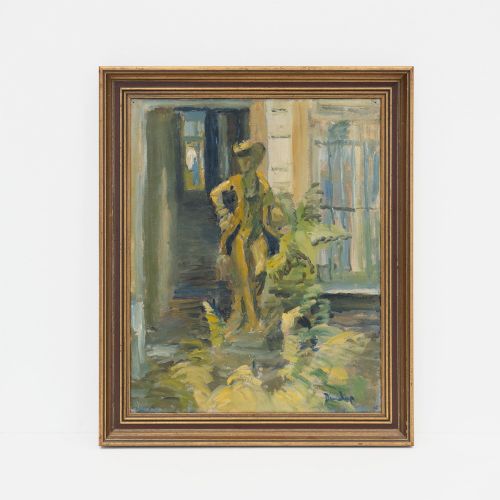
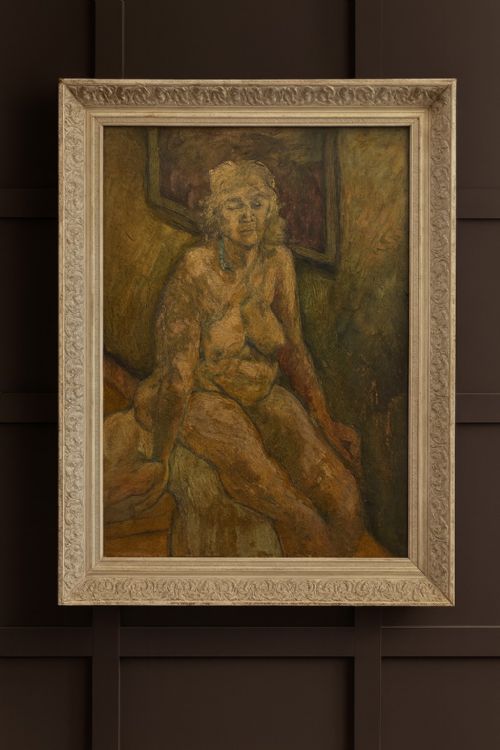
When you search for an impasto oil portrait canvas, you are looking at figurative works defined by heavy, raised paint application that sits proud of the support. The pieces collected here span the late nineteenth century through to the mid-twentieth century, capturing figures, self-portraits, and nudes.
The versions most likely to meet you on this page date from the 1930s, 1940s, and 1950s, often executed in styles such as Post-Impressionism, Expressionism, and Modern British figurative art. These works range from intimate female studies to characterful depictions of men with pipes or generals.
Makers and subjects vary widely, drawing from British, French, and international hands working on canvas, wood, or card. Each painting relies on the physical build-up of oil paint to create depth and presence.
What varies in quality
Quality in an impasto oil portrait canvas rests upon the surety of the brushwork and the expressive control over the thick pigment. The best examples use heavy paint application to define form and light rather than simply obscuring the surface.
The strength of the composition and the psychological depth of the sitter distinguish superior works from routine studio pieces. Provenance and the distinct touch of a listed artist elevate certain canvases above anonymous school paintings.
At least one portrait captures a subject with a pipe, proving that artists loved watching their sitters battle stubborn tobacco smoke.
Ronald Ossory Dunlop·Gaetan Dumas·Baruch Shalom Oskotsky·Pinchus Krémègne·Raymond Arthur Roadnight·Lucy Kemp-Welch·Georges Rouault
The Impasto Oil Portrait Canvas Glossary
- Impasto
- A technique where oil paint is laid on an area of the surface in very thick layers, usually thicker than the brush stroke. This creates a tactile, three-dimensional texture that stands out from the canvas.
- Canvas
- A closely woven fabric used as a surface for oil painting, typically stretched over a wooden frame. It provides a durable and slightly resilient ground for heavy pigment.
- Post-Impressionism
- An art movement extending roughly from the late nineteenth century that rejected naturalistic depiction in favour of expressive use of colour and form. Works in this style often emphasise bold brushwork.
- Expressionism
- A modernist style where the artist seeks to depict subjective emotions rather than objective reality through distorted forms and heavy paint. It heavily influences many mid-century portraits.
- Palette knife
- A blunt tool used for mixing paint or applying it directly to the canvas in flat, sharp-edged strokes. It is frequently employed to achieve clean impasto ridges.
Impasto Oil Portrait Canvas: Frequently Asked Questions
How do I hang an impasto oil portrait canvas?
Ensure the wall hooks match the weight of the wooden stretcher frame and any accompanying gilt surround. Secure fixings directly into wall studs or use appropriate cavity anchors.
Position the painting at eye level where side lighting can catch the raised texture of the thick oil paint. Avoid hanging the canvas in direct sunlight or humid spaces like kitchens.
What periods do these portraits come from?
The selections here primarily date from the late nineteenth century through to the 1960s. You will find pieces reflecting movements like Impressionism, Art Deco, and Modern British figurative art.
Earlier works often lean towards naturalistic tones while mid-century examples embrace bolder expressionist brushwork. Dates are established through signatures, recorded exhibition histories, and stylistic analysis.
Are these works signed by the artists?
Many of the canvases feature visible signatures or monograms left by the painter, often located near the lower corners. Documentation and recorded archives help confirm attribution for unsigned pieces.
Attribution sometimes relies on stylistic comparison with known works from a specific school or period. Research into exhibition labels and framing materials further supports the origin of each portrait.