

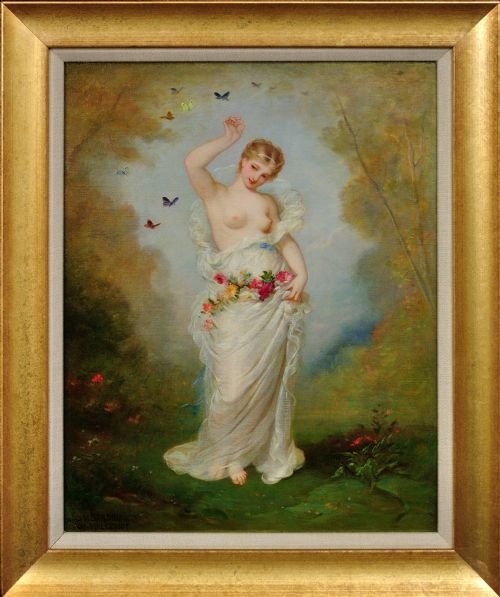


Victorian Era Portrait Artwork
These Victorian era portrait artwork pieces capture likeness and character through oil, watercolour, and chalk from the nineteenth century.
Victorian Era Portrait Artwork
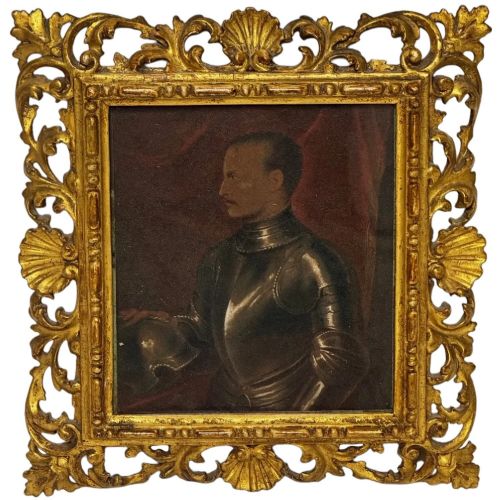
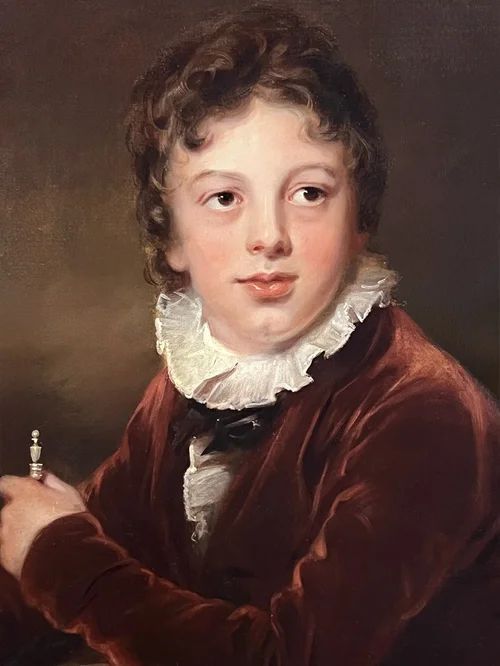
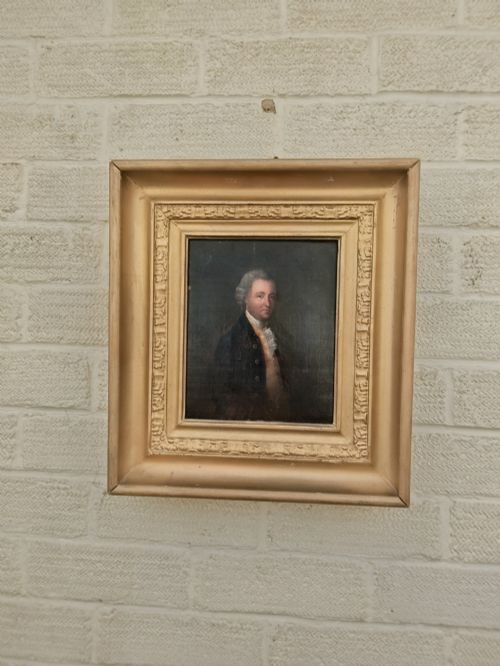
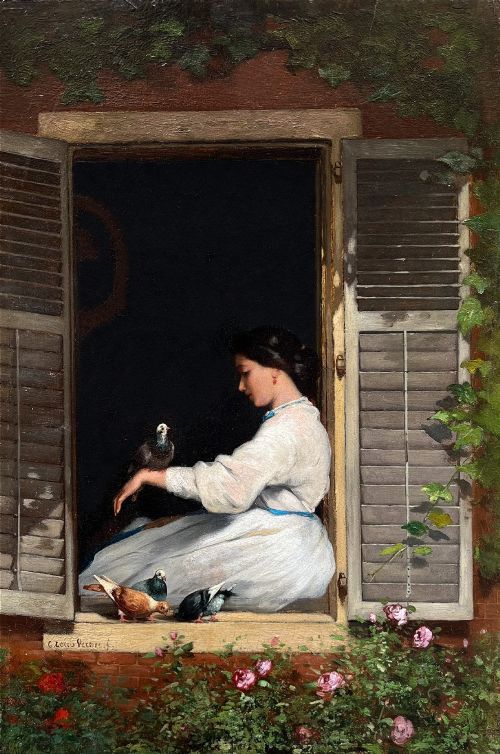
When searching for victorian era portrait artwork, buyers encounter framed oils on canvas, watercolours, and drawings depicting individuals, families, and figures. The most frequent examples span the nineteenth century, including Victorian, Regency, and Academic styles.
The selections range from intimate cabinet paintings of gentlemen and ladies to larger figurative compositions and Italian Renaissance revivals. Works appear on canvas, panel, wood, and paper, often housed in period frames with gold leaf and gesso mouldings.
Subjects include specific historical sitters, actors, and imagined romantic figures captured by English, French, German, Italian, and Dutch artists. These pieces reflect the varied aesthetic movements of the era, from Pre-Raphaelite tendencies to strict academic realism.
How They Were Made
Makers applied oil paint, watercolour, chalk, and graphite to prepared canvas, wood panels, and paper supports. Many works employ layered oil glazes to achieve depth in drapery and skin tones, whilst watercolours utilise washes on paper.
Frames incorporate carved wood finished with gesso and gold leaf gilding, providing structural support and decorative framing for the paintings. Selected panels and canvases utilise stretcher frames and traditional joinery.
A startled boy tapping a barrel shares space with noble counts, cloaked shepherdesses, and Viennese actors.
What Varies in Quality
Skill in draftsmanship and handling of facial expression separates standard works from master outputs. Superior paintings demonstrate precise anatomical structure and subtlety in light diffusion across the subject.
The execution of secondary elements, such as hands, fabrics, and background interiors, indicates the artist's training within academic or regional traditions. Original framing with intact gold leaf and period gesso enhances the integrity of the piece.
Margaret Sarah Carpenter·Philip Richard Morris·André Charles Voillemot·Hans Temple·Leonardo Morello·Franz Xaver Winterhalter·Federico Andreotti·Pompeo Massani·Samuel Lawrence·Wilhelm Alexander Meyerheim·Eugene Verboeckhoven·K. Schubert·Thomas Jones Barker
The Victorian Era Portrait Artwork Glossary
- Oil on Canvas
- Pigment mixed with drying oil applied to a woven fabric stretched across a wooden frame. This method became the primary medium for nineteenth-century portraiture.
- Gold Leaf
- Extremely thin sheets of beaten gold applied to gesso mouldings on picture frames. It provides a reflective decorative border.
- Gesso
- A paint mixture consisting of a binder mixed with chalk, gypsum, or pigment used to prepare wood or canvas surfaces. It also forms the relief decoration on frames.
- Academic Realism
- A style of painting produced under the influence of European academies of art. It emphasises precise rendering of form, historical accuracy, and classical composition.
- Watercolour
- Paint consisting of colourants suspended in a water-soluble binder applied to paper. This medium produces translucent washes and fine linear detail.
Victorian Era Portrait Artwork: Frequently Asked Questions
What periods do these portraits cover?
The works originate primarily from the nineteenth century, encompassing Regency, Victorian, and later decades up to eighteen-ninety.
Specific dates on individual pieces range from eighteen-hundred through to the early twentieth century, reflecting academic and romantic movements.
What mediums were used for these artworks?
Artists utilised oil paint on canvas and wood panels, alongside watercolours, chalk, and graphite on paper.
Frames incorporate carved wood, gesso, and gold leaf finishes to house the paintings.
How do I identify the artistic style?
Styles include nineteenth-century realism, academic realism, Pre-Raphaelite tendencies, and Italian Renaissance revivals.
Signatures, artist biographies, and subject matter often indicate the specific regional school and period of creation.
Where were these portraits painted?
Pieces originate from workshops and studios across England, France, Germany, Italy, Austria, and the Netherlands.
Artists frequently travelled or worked in major cultural centres such as Rome, Venice, and Vienna.
How should I display them at home?
Hang paintings on interior walls away from direct sunlight and excessive moisture to protect canvas, paper, and gold leaf frames.
Ensure stable wall fixings support the weight of traditional wood and gesso framed artworks.