




Pink Dress Female Portrait
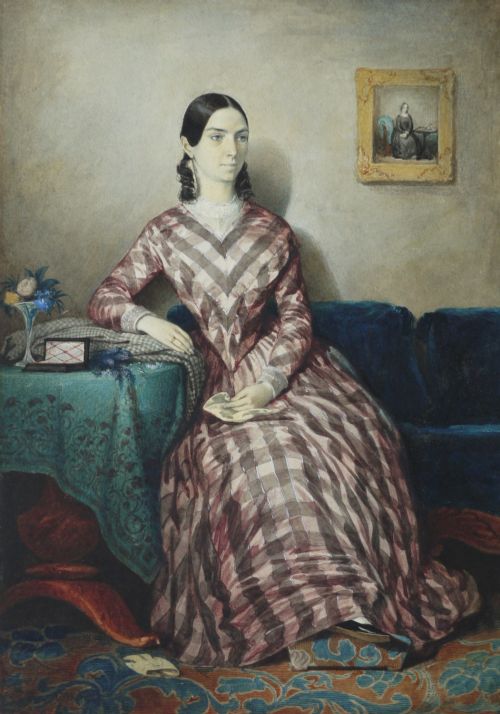
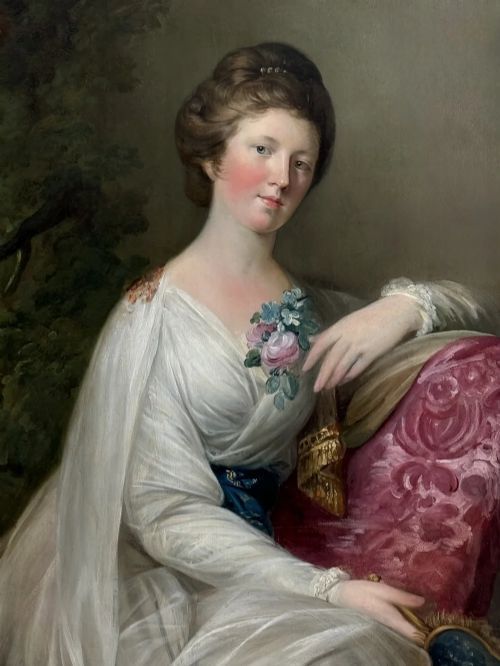
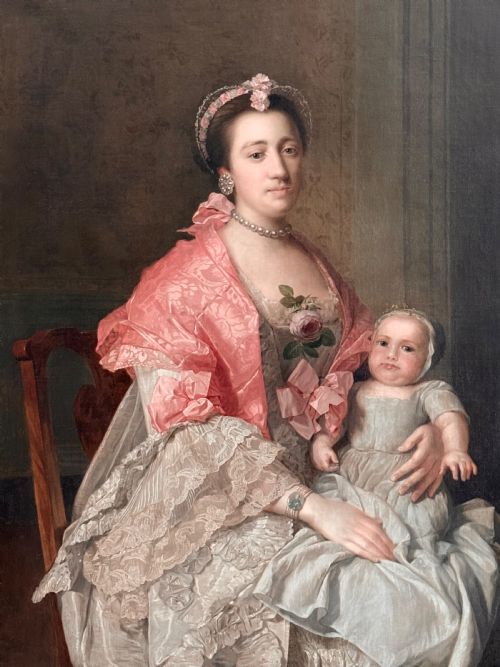
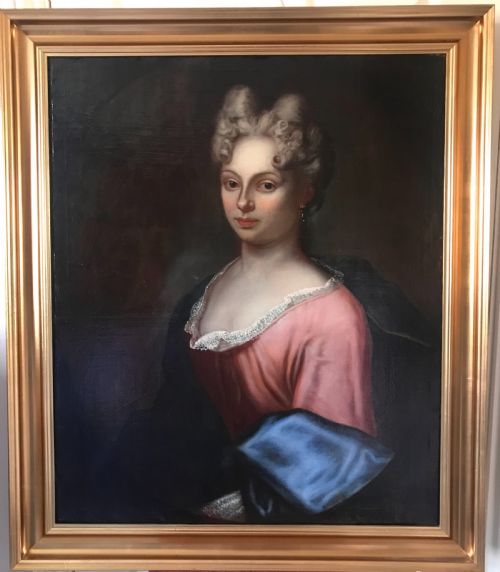
These pink dress female portrait pieces are oil paintings capturing women across centuries, offering collectors a direct window into historical portraiture.
Pink Dress Female Portrait
A pink dress female portrait brings together historical depictions of women rendered in oil paint on canvas, spanning from the seventeenth century through to the early twentieth century. Buyers seeking this subject matter will encounter works ranging from formal Georgian depictions to Edwardian and Victorian portrayals.
The selection includes specific historical subjects such as Henrietta Fordyce, Elizabeth Curteis, and Mette Dorothea Nielsdatter Randulf, alongside broader studies like the flapper or the Roman goddess Flora. These works reflect changing fashions and portraiture conventions across periods including the eighteenth century and the Art Deco era.
Most pieces on this page utilise oil paint as the primary medium, framed in period materials such as giltwood. The forms vary from intimate panel studies to larger canvas works executed by named artists and regional schools.
How They Were Made
Artists built these compositions using oil paint applied to canvas or wood panels, allowing for nuanced blending of flesh tones and fabric textures. The pigments were layered to achieve the luminosity seen in historical depictions of dress and skin.
Many works are housed in original or period frames utilising gold leaf and giltwood construction. These frames were carved from wood and gilded to complement the visual weight of the oil paintings they enclose.
Listings span from the seventeenth century through the Victorian era to the 1920s, utilising oil on canvas, wood, and gold leaf.
What Varies in Quality
The distinction between works rests upon the precision of the brushwork and the psychological depth captured in the sitter's expression. Masterful handling of drapery, particularly the rendering of silk and lace in a pink dress, separates accomplished studio output from more formulaic provincial production.
Condition of the oil on canvas surface and the originality of the accompanying giltwood frame significantly influence the standing of a piece. Retaining historical attribution to artists like George Willison, George Knapton, or Sir Peter Lely elevates the significance of an artwork within portraiture history.
George Willison·Sir Allan Ramsay·Paul Schier·Charles Edward Wilson·George Knapton·Robert Byng·Alfred Seifert·Sir Peter Lely·Francis Alleyne·Nathaniel Hone
The Pink Dress Female Portrait Glossary
- Oil on Canvas
- A painting medium where pigments bound in drying oil are applied to stretched fabric. This technique allowed artists to create rich colour depths and subtle tonal transitions.
- Giltwood Frame
- Wood that has been coated with a thin layer of gold leaf or powder. These frames provide ornate architectural borders suited to historical oil paintings.
- Georgian
- A style period spanning the eighteenth century, characterised in portraiture by refined elegance and detailed costume rendering. Works from this era often display sophisticated control of lighting.
- Circle of
- A term used when a painting is by an unidentified artist working closely in the style of a known master. It denotes proximity to a prominent workshop without direct attribution.
- Flapper
- A term describing young women of the 1920s associated with modern styles and social freedom. Paintings from this period capture a distinct shift away from rigid historical formality.
Pink Dress Female Portrait: Frequently Asked Questions
How do I date a portrait?
Dating relies on stylistic clues within the sitter's costume, hair styling, and the framing materials used. Changes in collar shapes, textiles, and pigment application help place a canvas within a specific century.
Comparative analysis with documented works by artists active in the eighteenth or nineteenth centuries further refines the timeline for unsigned or circle-attributed paintings.
What is circle of an artist?
The term indicates that a painting was produced by an anonymous hand closely associated with a master's studio. These painters absorbed the techniques and palette choices of the principal figure.
Such works offer high artistic quality while remaining distinct from direct primary-hand creations by the master himself.
How should I hang oil paintings?
Oil paintings on canvas require stable environmental conditions away from direct sunlight and excessive humidity fluctuations. Maintaining consistent room temperatures prevents warping in the wooden stretcher bars and canvas degradation.
Permanent placement should utilise sturdy wall fixings appropriate for the weight of heavy giltwood frames.
Why are giltwood frames important?
Period giltwood frames provide structural context and aesthetic completion for historical oil paintings. They reflect the decorative arts tastes contemporary to the creation of the portrait.
Original frames preserve the historical integrity of the piece, though many antique paintings have been reframed over subsequent centuries.