



Rococo Style Portrait Painting
These rococo style portrait painting works capture the theatrical elegance and decorative flair of past centuries.
Rococo Style Portrait Painting
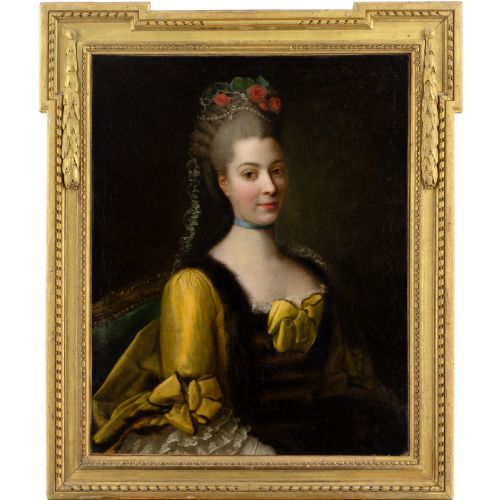
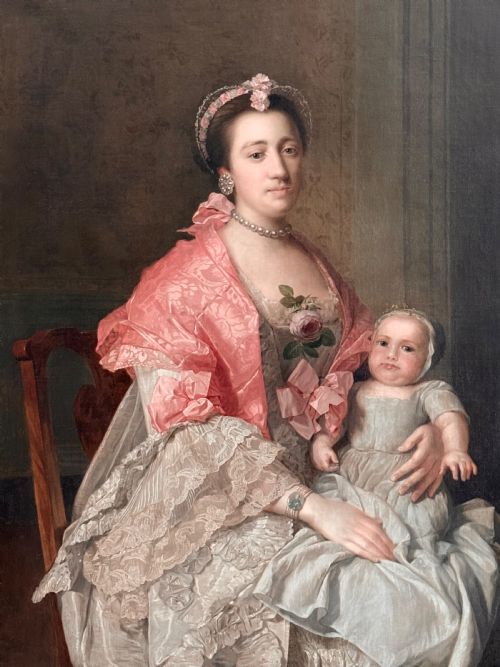
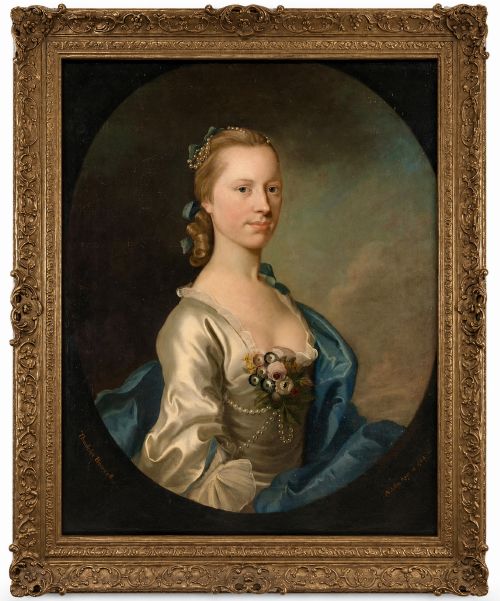
A rococo style portrait painting brings aristocratic charm and ornate character into a room. These pieces depict elegant women, children, and courtiers in rich attire, reflecting the tastes of the eighteenth century and subsequent revival periods.
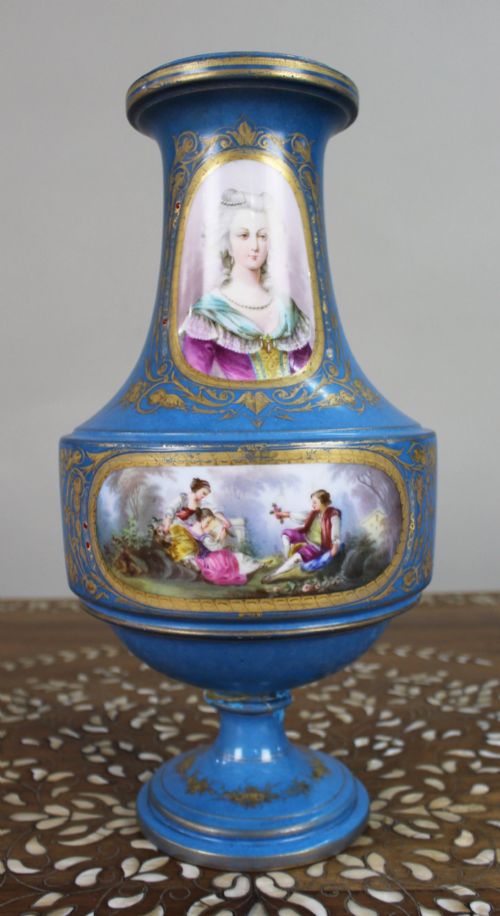
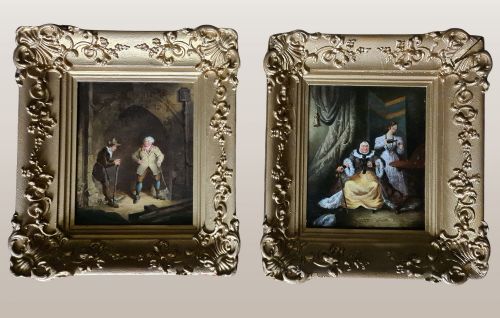
The most common versions met on this page include eighteenth-century oils on canvas, nineteenth-century academic interpretations, and smaller miniature paintings. Works range from original period oils by European schools to later painted porcelain plaques and framed prints.
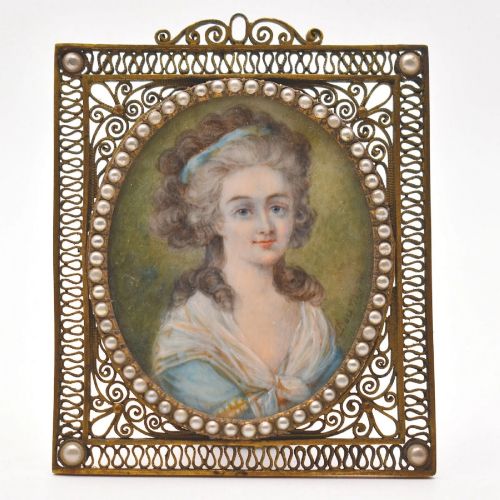
Subjects often appear within lavish domestic settings like Versailles interiors, surrounded by silk dresses, elaborate hairstyles, and gilded framing. Pieces vary from large canvas works to intimate portrait miniatures framed with seed pearls and giltwood.
Materials and Techniques
Oil paint applied to canvas remains the primary medium for these portraits, allowing artists to build smooth gradients for skin tones and rich textures for silk and velvet garments. Wood panels and porcelain plaques also serve as grounds for smaller figurative compositions.
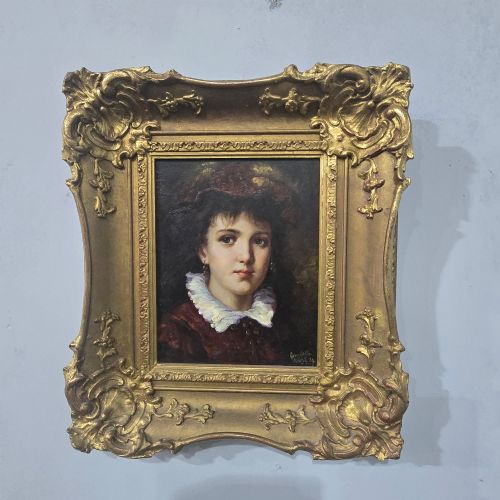
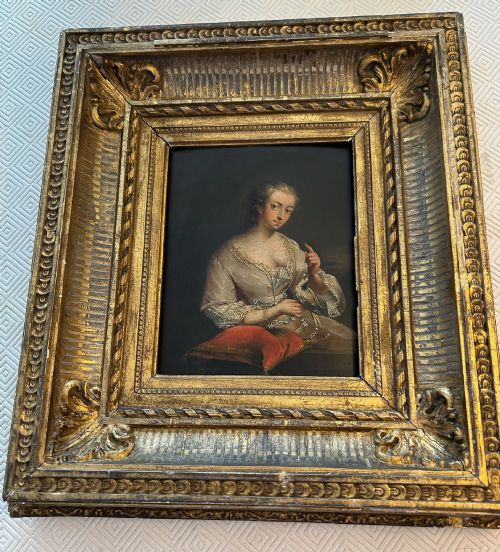
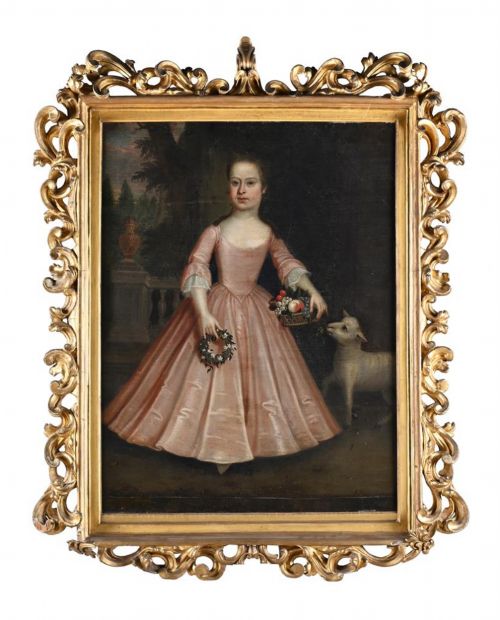
Frames play a crucial role in the physical construction of these objects, utilising carved wood, gesso, and gold leaf. Many nineteenth-century revival pieces utilise swept gilt frames to emulate the elaborate scrolling ornamentation typical of the original period.
One historical sitter is captured posing as Flora, the ancient goddess of spring, wrapped in flowers.
Assessing Quality and Execution
Quality rests heavily on the finesse of the brushwork, particularly in the rendering of facial expressions, hands, and fabric drapery. Superior examples demonstrate confident handling of light and shadow, capturing the delicate psychology of the sitter alongside decorative splendor.
The integration of the artwork with its housing marks another distinction. Original or period-appropriate carved giltwood frames that complement the internal composition elevate the overall integrity of the piece compared to later, mismatched replacements.
Sir Allan Ramsay·Jean-Baptiste Greuze·Jean-Baptiste van Loo·Nicolas Fouché·John Simmons·Jean-Marc Nattier·Louis Léopold Boilly·Francois Boucher·Edward Alcock·Fra Galgario·Philip Mercier·Élisabeth Louise Vigée Le Brun
The Rococo Style Portrait Painting Glossary
- Rococo Revival
- A nineteenth-century artistic movement that revived the ornate, asymmetrical decoration and lighthearted subject matter of the eighteenth-century French court. It appears frequently in later interpretations of classical portraiture.
- Portrait Miniature
- A small, highly detailed painting on vellum, copper, card, or porcelain, often created to be worn or kept in a pocket. These works require immense precision using tiny brushes.
- Giltwood
- Wood that has been coated with a thin layer of gold leaf or gold paint. It provides the bright, reflective borders common on traditional picture frames.
- Bleu Céleste
- A bright sky-blue ceramic ground colour developed at the Sèvres porcelain manufactory. It adds a vibrant decorative backdrop to porcelain pieces.
- Provenance
- The documented history of ownership of an object. Clear provenance helps verify the attribution and age of historical artworks.
Rococo Style Portrait Painting: Frequently Asked Questions
What defines a rococo style portrait painting?
These works feature graceful subjects, often dressed in elaborate eighteenth-century garments, set against soft or decorative backgrounds. The aesthetic emphasises playfulness, delicate pastel palettes, and theatrical elegance.
Compositions frequently highlight aristocratic figures, courtiers, or family groups within refined domestic or pastoral environments. The style avoids heavy solemnity in favor of charm and decorative harmony.
Are all these paintings from the eighteenth century?
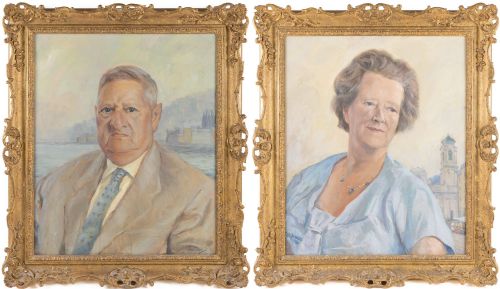
While many originate in the eighteenth century, a significant portion are nineteenth-century revival pieces or mid-twentieth-century interpretations. Artists across later eras frequently copied or reinterpreted earlier compositions.
Examining the canvas preparation, stretcher frames, and pigment composition helps determine whether a work is an original period piece or a later tribute.
How should I hang and light these portraits?
Protect oil paintings and miniatures from direct sunlight to prevent the pigments and canvas from degrading over time. Stable indoor humidity and temperature levels keep both the canvas and the gilded frames from cracking.
Use picture lights designed to emit minimal ultraviolet radiation to illuminate the details of the brushwork without generating excessive heat near the surface.
How do I distinguish original oils from prints?
Inspection under magnification reveals the physical topography of dried oil paint, including brush strokes and ridges. Prints display dot patterns or smooth, flat ink surfaces lacking textural depth.
Framed prints and porcelain plaques are clearly distinct from stretched canvas works upon close physical examination of the substrate material.