


Green Dress Female Portrait
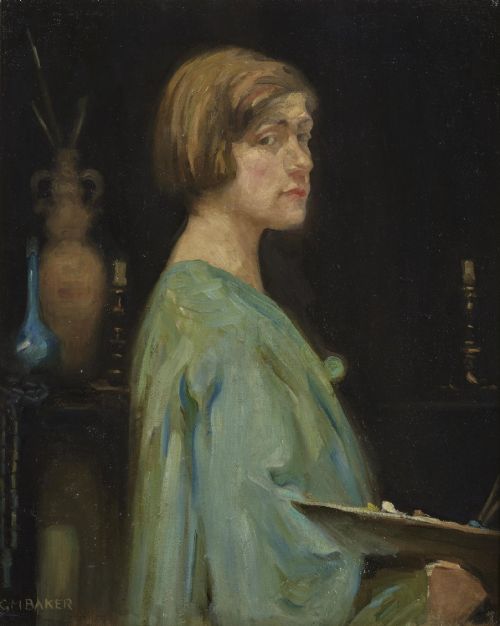
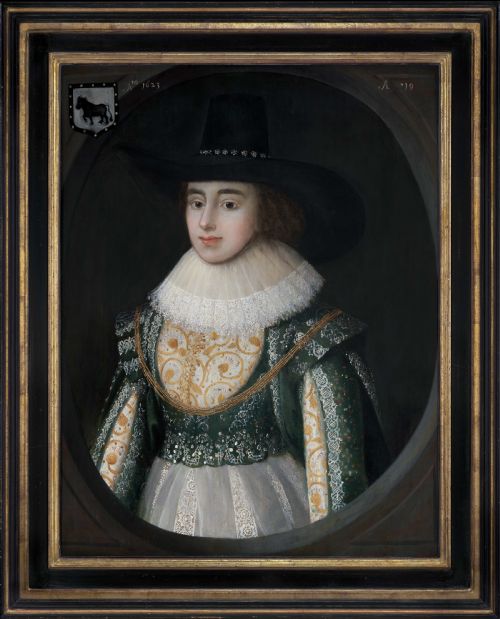
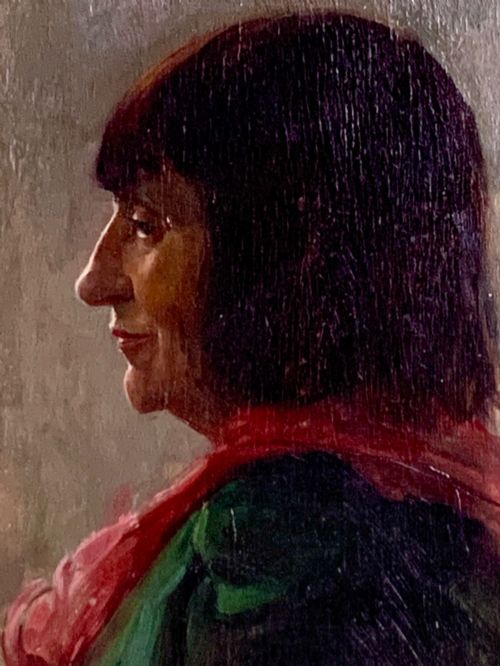
A green dress female portrait captures a subject in striking attire, offering a glimpse into past centuries through enduring pigment and canvas.
Green Dress Female Portrait
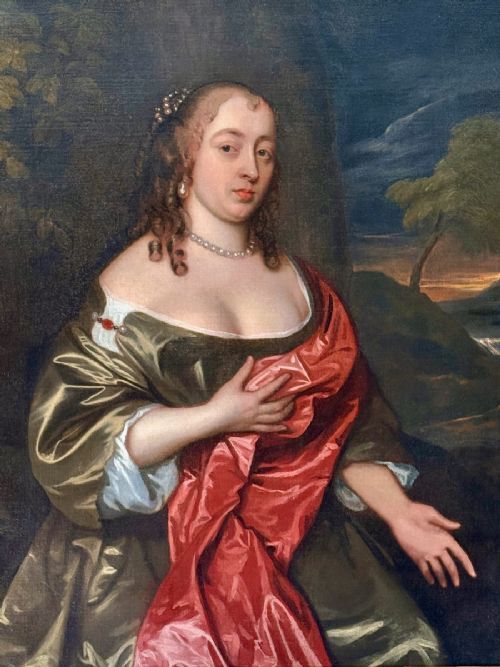
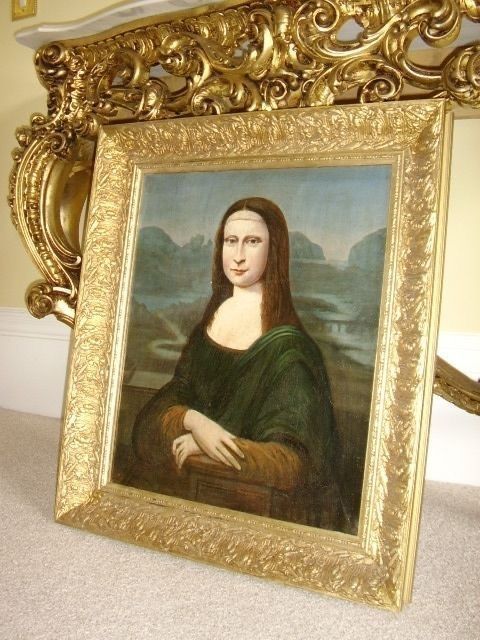
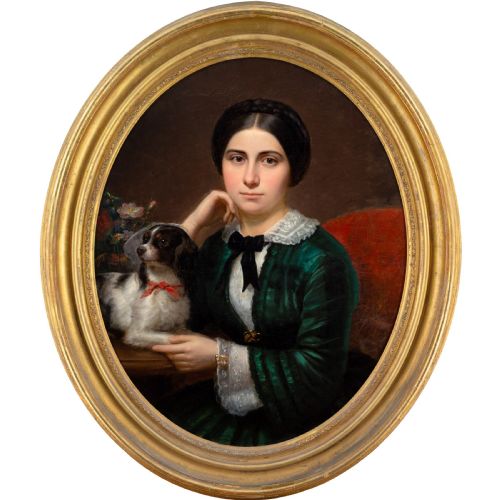
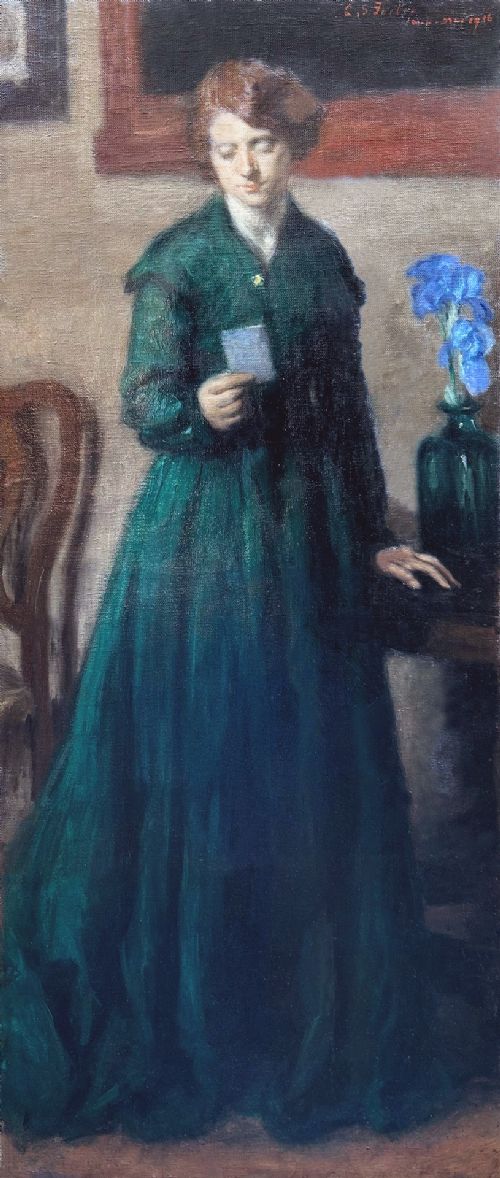
A green dress female portrait presents women from diverse eras, ranging from the seventeenth century through to the mid-twentieth century. These artworks capture sitters in various settings, including formal landscapes, domestic interiors, and intimate self-portraits.
The pieces on this page span multiple periods, notably the seventeenth century, Victorian era, and early twentieth century. Common formats include oil paintings on canvas or panel, alongside pastel drawings and reverse glass prints.
Subjects range from named historical figures and artists to unidentified elegant ladies and young girls. French and European schools appear alongside specific British and continental artists.
Distinctions in quality
Condition of the canvas, panel, and original paint layer plays a decisive role in the integrity of each piece. Intact historic frames and documented attributions elevate the standing of a portrait.
Listings feature works in oil, pastel, and watercolour on canvas, board, panel, and glass, spanning the seventeenth to the twentieth century.
John Hayls·Cornelius Johnson·Nicolaes Maes·Thomas Gainsborough·Sir Peter Lely·John Osborn·George Perfect Harding·Enoch Seeman·Pierre Louis Bouchard
The Green Dress Female Portrait Glossary
- Canvas
- A heavy woven fabric stretched across a wooden frame to serve as a support for oil paint. It provides a flexible and durable surface utilised by artists for centuries.
- Panel
- A flat piece of wood used as a rigid painting support before canvas became dominant. Wooden panels often feature in earlier seventeenth-century works.
- Pastel
- A dry drawing medium composed of powdered pigment and a binder, pressed into stick form. It produces velvety surfaces seen in nineteenth and twentieth-century portraits.
- Giltwood
- Wood carved and coated with gold leaf or a gold-coloured finish for framing artwork. It provides an ornate border characteristic of period frames.
- Reverse glass print
- An image applied directly to the back of a piece of glass so that it is viewed through the transparent front. This technique creates a glossy finish.
Green Dress Female Portrait: Frequently Asked Questions
How do I date a portrait?
Dating relies on the costume of the sitter, the hairstyle, and the painting technique visible on the canvas. Details such as collar shapes, lace, and dress cuts shift noticeably across seventeenth, eighteenth, and nineteenth-century fashions.
Signatures, dates inscribed on the frame or stretcher, and the type of canvas or panel provide additional chronological markers. Comparing the style to known works by specific schools or artists helps narrow the timeframe.
What is a green dress female portrait?
This category encompasses paintings and drawings featuring female subjects wearing green garments. These range from seventeenth-century silk gowns to twentieth-century attire.
Artists utilised green pigments to signify status, fashion, or personal preference. The colour interacts with skin tones and background elements to create visual balance.
Where should I hang an oil portrait?
Oil portraits require stable indoor environments away from direct sunlight and excessive humidity. Placing them on interior walls protects the canvas and paint layers from temperature fluctuations.
Adequate wall space allows the giltwood frame and the scale of the painting to anchor the room. Proper lighting enhances the depth of the oil pigments without generating heat.
How do I identify the sitter?
Identifying the subject involves examining old inscriptions, handwritten labels on the reverse of the canvas, or family provenance. Coats of arms, heraldic devices, or specific objects held by the sitter often offer clues.
Many historic portraits depict anonymous sitters whose identities were lost over time. Portraits without names remain valued for their artistic merit and historical costume.