



18th Century European Artwork
These 18th century european artwork pieces comprise period oil paintings, framed drawings, and painted pine panels capturing centuries of continental craft.
18th Century European Artwork
Buyers browsing 18th century european artwork encounter a distinct selection of period oil paintings, framed drawings, and painted panels originating across the continent. These works span regional schools including Bavarian, Dutch, German, and Northern European traditions dating from the 1700s through to Georgian periods.
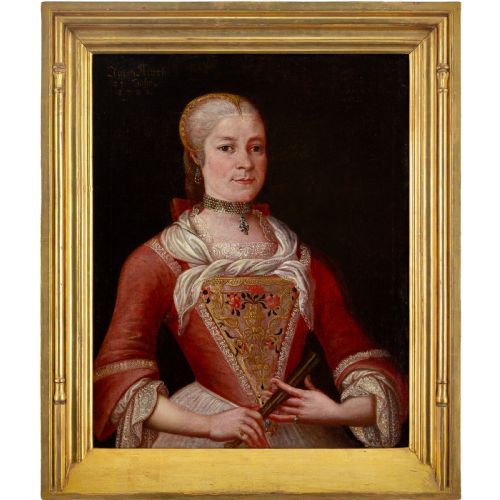
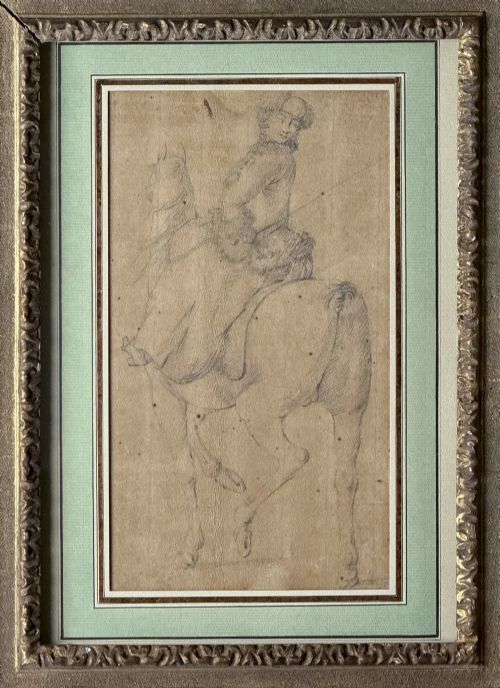
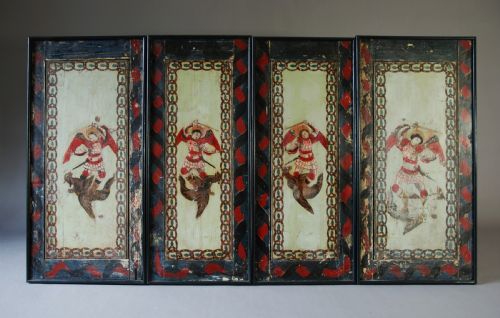
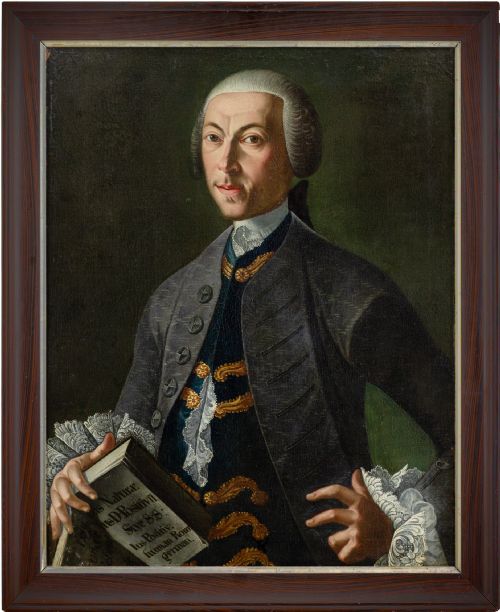
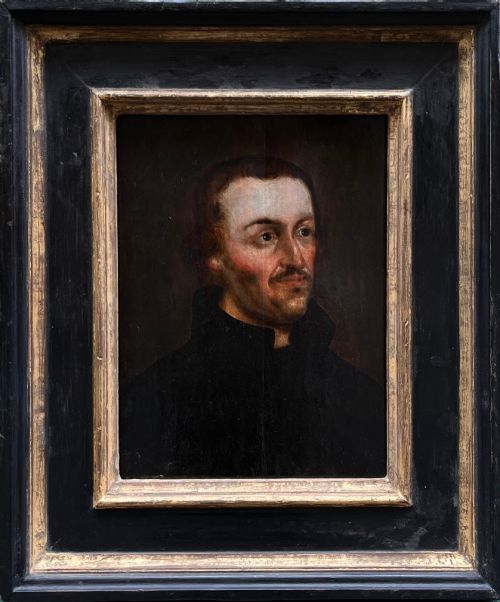
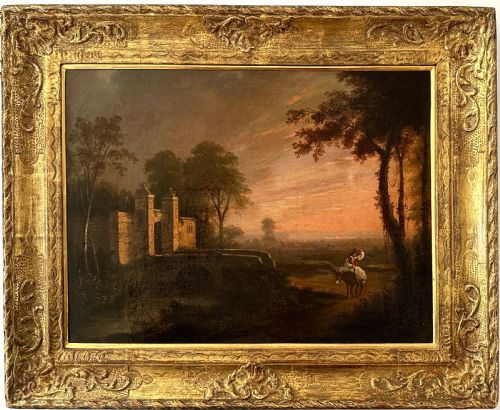
Portraits dominate the selection, showing subjects ranging from noble ladies and aristocrats in armour to Dr Johann David Wechsler, Philip Melanchthon, and military officers. Alongside these formal portraits appear Dutch forest scenes, flower still lifes, equestrian studies, and naively painted pine panels depicting religious figures.
The most common format on this page is the oil painting on canvas or wood panel, frequently housed within period giltwood frames. Collectors also find ink drawings on paper and decorative pine panels that demonstrate the breadth of domestic and formal visual culture from the era.
How they were made
Makers of 18th century european artwork utilised oil paints applied to woven canvas stretched over wooden supports, or directly onto wooden panels such as oak and pine. Drawings were executed in ink upon paper, capturing fine linear detail for equestrian and figure studies.
Frames form an integral part of the construction, utilising carved wood finished with gilt layers to house and protect the paintings. Pine panels were shaped and assembled in sets, then painted with pigments to create decorative architectural schemes.
The listings span the 18th century, incorporating Georgian pieces alongside Bavarian, Dutch, German, and Northern European regional schools.
What varies in quality
The sophistication of brushwork and anatomical proportion distinguishes formal academic portraits from folk art pieces like naively painted pine panels. Finer works capture subtle facial expressions and textures in fabric, whereas regional school pieces often display simpler, more direct stylistic choices.
The preservation of the original support materials, from canvas integrity to the stability of oak and pine panels, alters the character of each piece. Giltwood frames show varying degrees of original gilding survival and surface wear over the centuries.
Jan Evert Morel
The 18th Century European Artwork Glossary
- Giltwood
- Wood that has been covered with a thin layer of gold leaf or powder. This finish was standard for luxury frames of the period.
- Oil on Canvas
- Pigment mixed with drying oil applied to a woven fabric support. This combination allowed for rich colour blending and durability.
- School
- A group of artists working in a particular region or following a specific master's style during a given era. Listings often attribute unsigned works to regional schools based on stylistic clues.
- Panel
- A flat piece of wood used as a rigid support for painting instead of canvas. Oak and pine served as common substrates for these works.
18th Century European Artwork: Frequently Asked Questions
What subjects appear in these paintings?
Portraits of aristocrats, officers, and scholars form the largest category among these listings. Other works depict Dutch forest scenes, flower still lifes, equestrian studies, and religious figures on pine panels.
These diverse subjects reflect both formal portraiture traditions and regional decorative painting styles practiced across Europe during the 1700s.
How do I hang a framed oil painting?
Ensure your wall fixings can support the combined weight of the canvas and the wooden or giltwood frame. Period frames often carry substantial weight due to their dense wooden construction.
Position paintings away from direct sunlight and fluctuating heat sources to protect both the oil pigments and the underlying canvas or wood panel.
How are different regional schools identified?
Attributions rely on stylistic conventions, brushwork techniques, and subject matter associated with specific geographical areas like Bavaria, Germany, or the Netherlands. Inscribed names on subjects or previous documentation often assist in confirming these origins.
Many works remain attributed to broader regional schools when specific individual makers cannot be documented.
What is the difference between canvas and panel works?
Canvas paintings utilise a flexible woven textile stretched over a wooden frame, allowing for larger compositions with textured brushwork. Panel paintings use rigid supports of wood like oak or pine, which provide a smooth, stable surface for detailed application.
Both formats were standard during the 18th century, chosen by artists depending on the scale and purpose of the commission.