



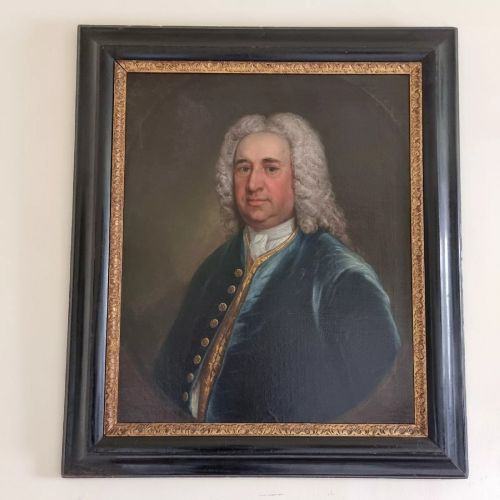


Ebonised Framed Picture
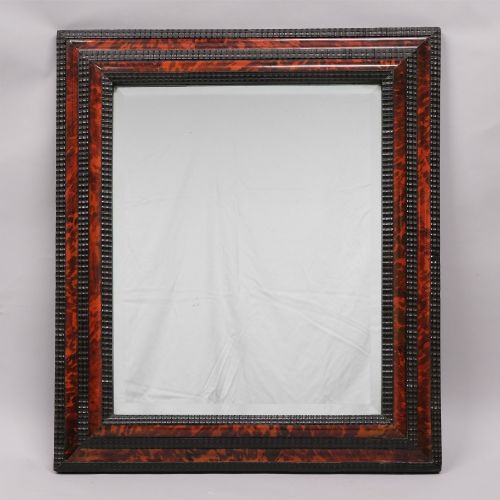
An ebonised framed picture brings together dark wood surrounds and historic works, spanning centuries of portraits, prints and watercolours.
Ebonised Framed Picture
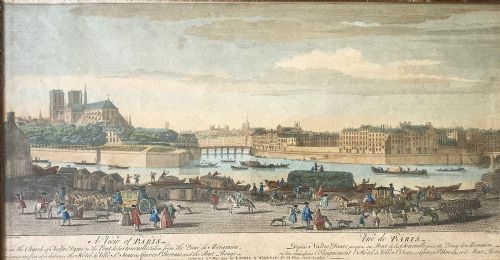
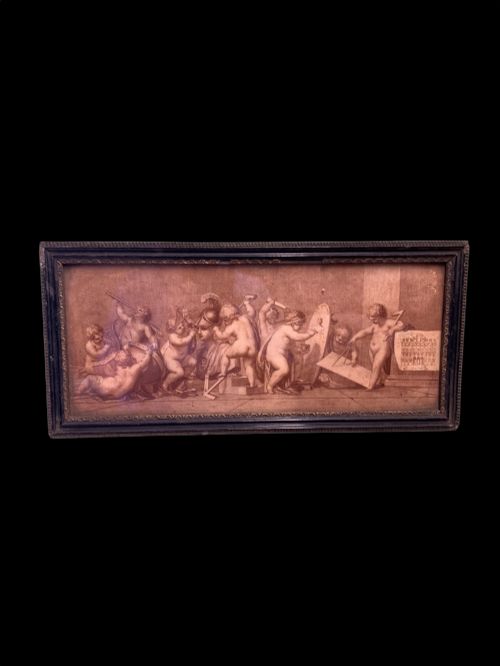
When searching for an ebonised framed picture, buyers encounter a diverse selection of wall art, portrait miniatures and silhouettes housed within darkened wooden borders. The pieces originating from the eighteenth and nineteenth centuries dominate the selection, showing styles from Georgian and Regency to Victorian and Renaissance Revival.
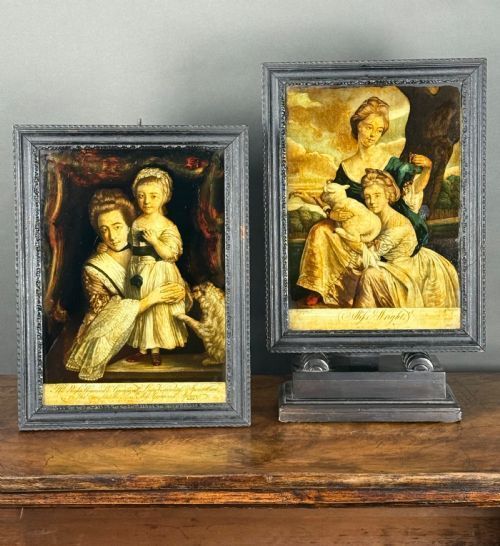
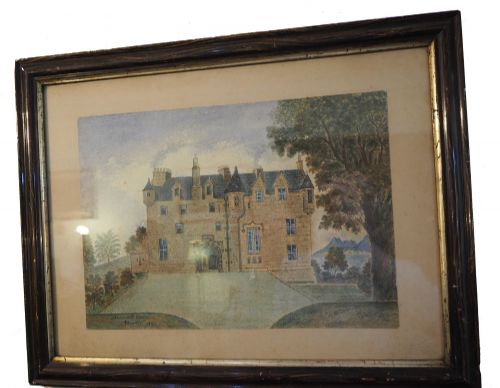
The contents within these dark surrounds vary significantly, including reverse glass prints, engravings, watercolours and oil paintings. Many examples combine the deep tone of the wood with contrasting interior elements such as gold leaf or brass mounts.
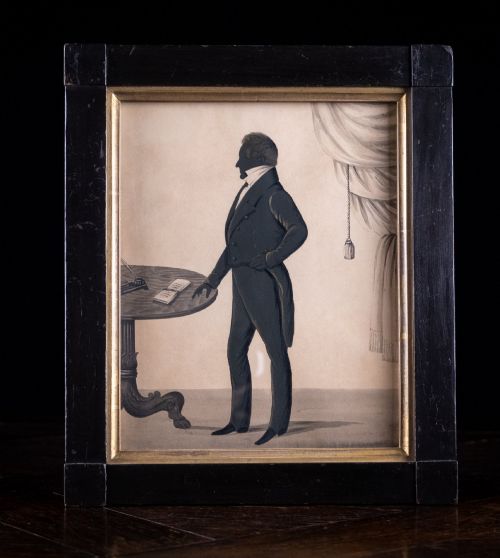
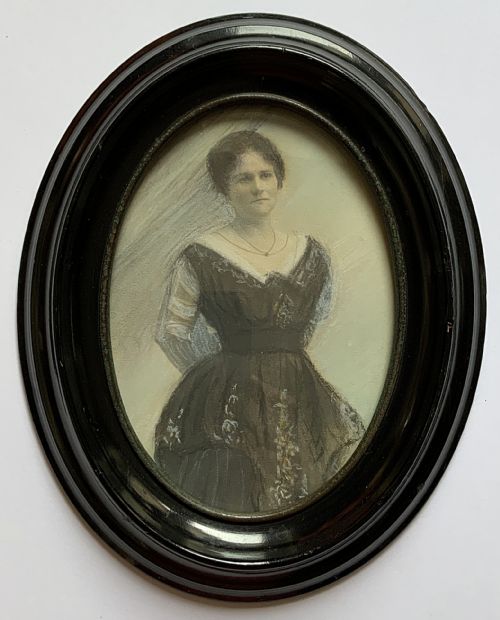
Originating from various European centres, these works encompass subjects ranging from classical figures and architectural views to detailed silhouette portraits of gentlemen and ladies. The union of the dark frame and the historic artwork creates a distinct visual focus for wall display.
Materials and Construction
Makers utilised wood treated to achieve a dense, black ebonised finish, often pairing the dark borders with internal linings of gold leaf or brass to highlight the central artwork. Glass protects many of the paper works, engravings and reverse paintings, shielding delicate surfaces from atmospheric wear.
The mediums housed within these surrounds rely on traditional application methods, including oil paint, watercolour, pastel and hand-coloured engraving. Paper and card serve as the primary supports for miniatures and cut-paper botanical studies, whilst specialised glass supports the reverse mezzotints.
Listings feature works spanning the eighteenth and nineteenth centuries, incorporating mediums such as oil paint, watercolour, glass and gold leaf.
Distinctions in Quality
The excellence of an ebonised framed picture depends upon the crispness of the surrounding woodwork and the preservation of the media within. Finely executed portrait miniatures and detailed reverse glass prints demonstrate superior handwork compared to standard printed reproductions.
The harmony between the inner mount and the dark outer moulding dictates the visual success of the piece. Well-preserved gilding or brass detailing inside the frame elevates the overall presence of the artwork.
The Ebonised Framed Picture Glossary
- Ebonised wood
- Timber treated with stain, polish or paint to imitate the dark, heavy appearance of ebony. This dark finish provides a stark border that directs the eye entirely toward the artwork.
- Reverse glass print
- An image applied directly to the underside of a glass sheet, allowing the smooth upper surface to protect and impart a gloss to the picture. This technique requires precise reverse application by the artist.
- Silhouette
- A portrait profile filled in with a solid dark colour, frequently cut from paper or painted on card. These profiles often feature fine gilt highlights to define clothing and hair.
- Mezzotint
- A printmaking method on copper that allows half-tints and subtle tonal variations. When applied in reverse on glass, the resulting image gains depth and luminosity.
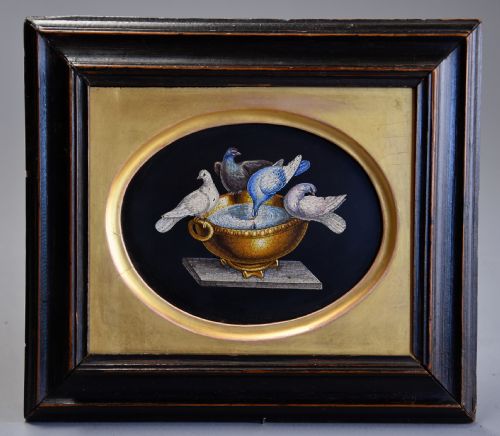
- Micromosaic
- Tiny coloured glass tesserae assembled to form intricate pictorial scenes. These miniature compositions frequently depict architectural landmarks or classical subjects.
Ebonised Framed Picture: Frequently Asked Questions
How do I hang an ebonised framed picture?
Ensure the wall fixing supports the weight of the wood and glass securely. Use traditional picture wire attached firmly to the original hanging loops.
Position the work away from direct sunlight to protect fragile watercolours and paper components from fading.
What periods do these pictures come from?
The available examples date primarily from the eighteenth and nineteenth centuries. This span includes Georgian, Regency and Victorian eras.
Stylistic influences range from Neoclassical and Renaissance Revival to Flemish Revival and Grand Tour souvenirs.
How should I clean the glass?
Apply a mild conservation cleaner to a soft cloth rather than spraying directly onto the surface. This prevents liquid from seeping beneath the rebate and damaging the historic paper or paint.
Wipe the ebonised wood gently with a dry microfiber cloth to remove dust without disturbing the finish.
What subjects appear most frequently?
Portraits dominate the selection, including silhouette profiles, miniature watercolours and engraved likenesses of historic figures. Architectural views and romantic ruin paintings also appear regularly.
Religious subjects and botanical studies complete the common pictorial themes.