
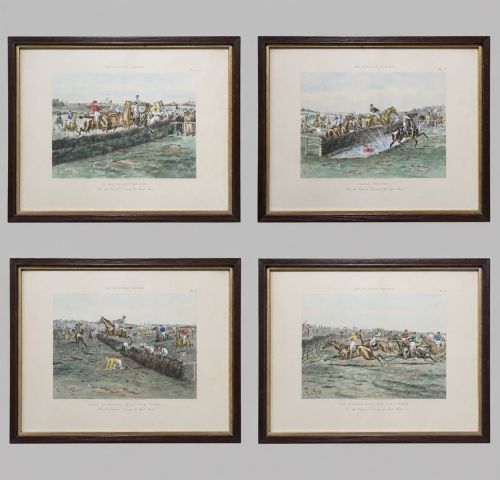
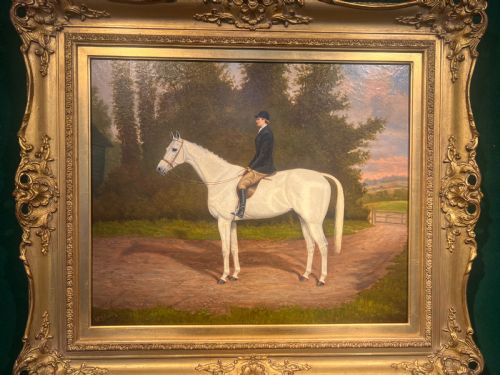
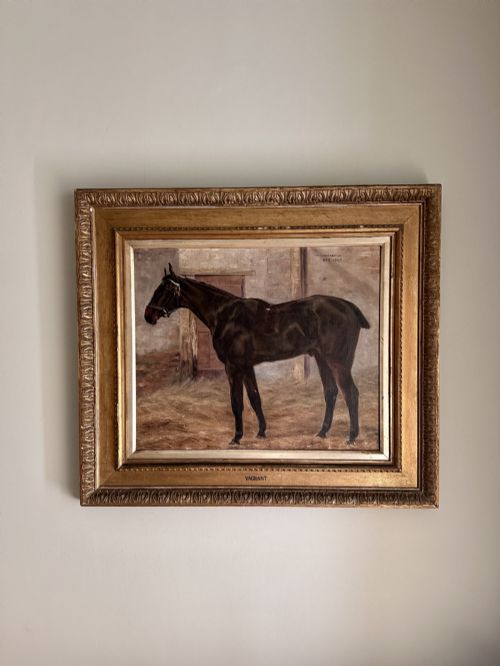
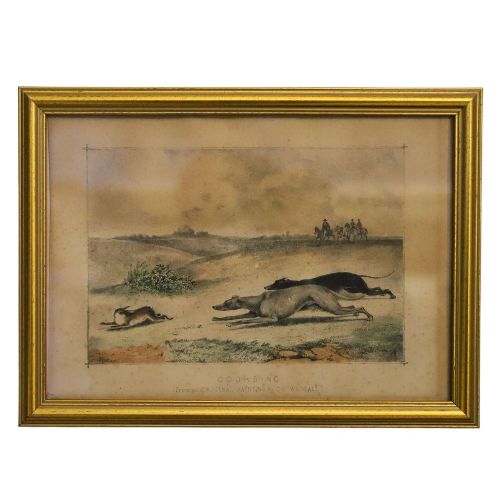

Antique Equestrian Picture
An antique equestrian picture captures the enduring power of horses through centuries of sporting art.
Antique Equestrian Picture
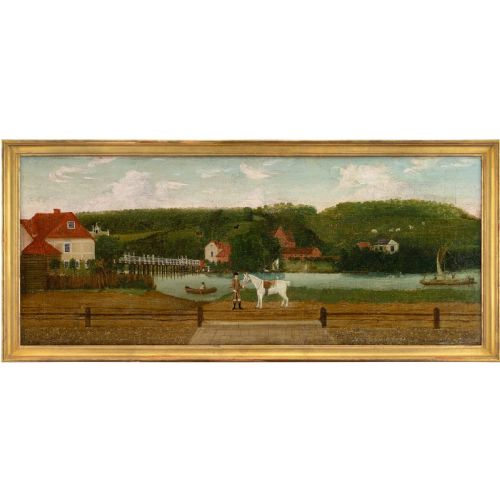
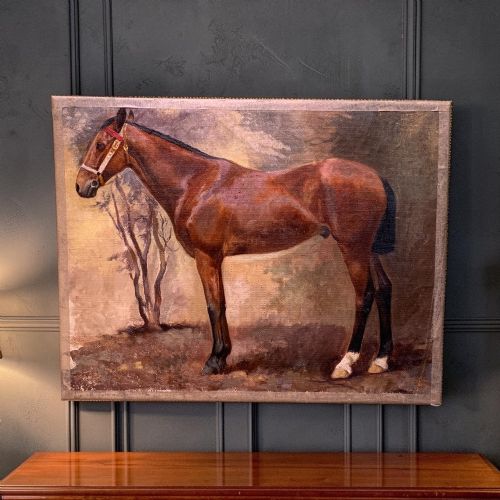
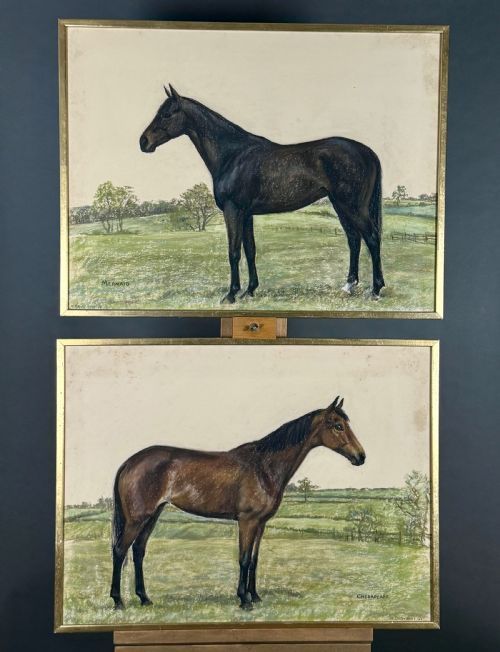
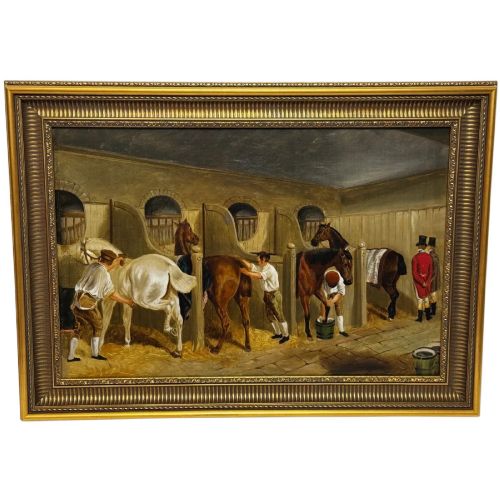
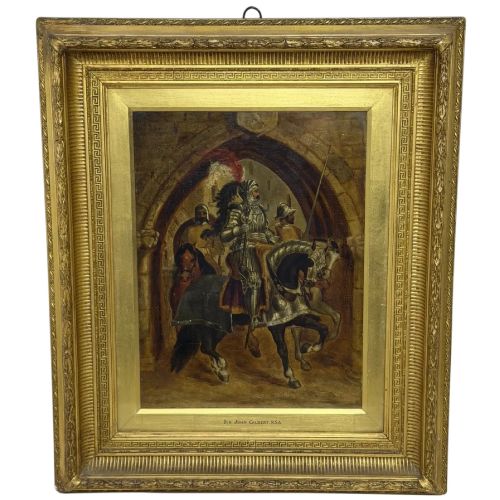
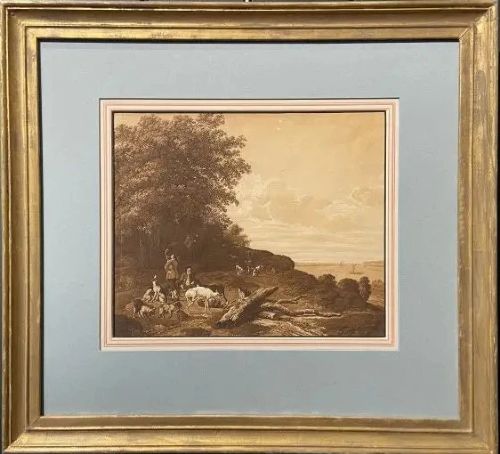
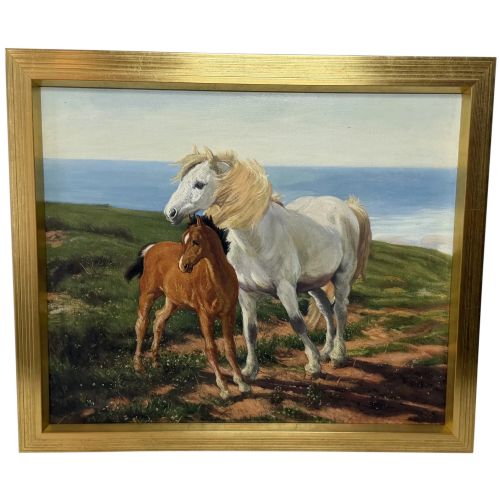
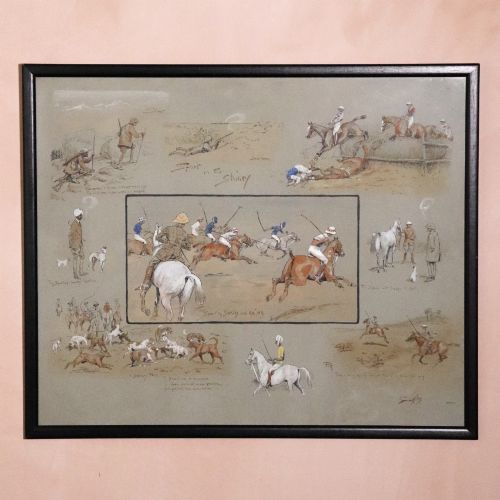
An antique equestrian picture brings together centuries of sporting art, focusing on the central role of horses in British life and culture. When searching for an antique equestrian picture, collectors encounter various depictions ranging from racing scenes and hunts to intimate portraits of individual animals.
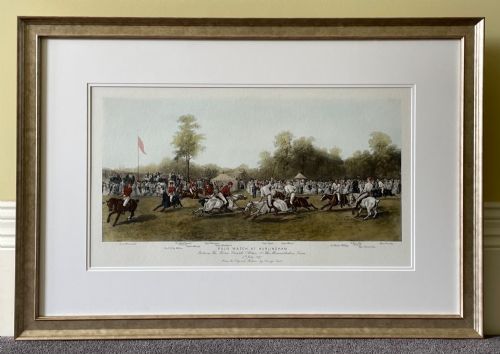
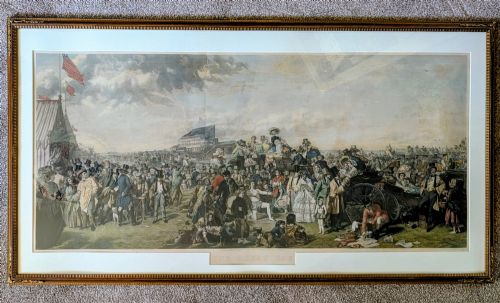
The pieces on this page span the Victorian era, the nineteenth century, and the early twentieth century. Common formats include oil paintings on canvas or panel, watercolours, chalk drawings, and framed prints or lithographs.
Portraits of named horses, hunting scenes, and racing prints dominate the selection. These works reflect both domestic affection for animals and the structured world of equestrian sports.
How They Were Made
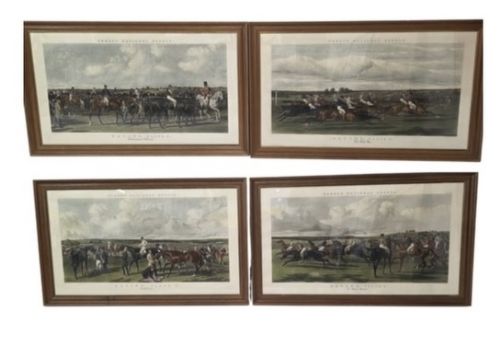
Artists created these works utilising oil on canvas, oil on pine panel, watercolour, pastel on paper, and silk needlework. Printmakers produced aquatints, engravings, and lithographs, often hand-colouring the finished impressions to highlight details of the subject.
Frames play a significant role in the presentation of these pieces, frequently constructed from wood with gilt finishes or walnut. The materials reflect the domestic and institutional settings for which these artworks were originally commissioned.
Several Victorian horses maintain more dignified expressions than the humans standing beside them.
What Varies in Quality
The anatomical accuracy of the horse and the naturalism of the surrounding landscape distinguish individual works. Skilled artists capture the musculature, movement, and distinct character of the animal far more convincingly than routine commercial painters.
Provenance and association elevate specific pieces, particularly those connected to known estates, named thoroughbreds, or recognised sporting events. The quality of the original frame, whether period giltwood or walnut, also influences the overall integrity of the piece.
William Powell Frith·George Finch Mason·Fred Fitzpatrick·C. H. Weigall·Edwin Henry Landseer·John Frederick Herring Snr·Herman S Melville·John Ferneley Senior·Alfred Munnings·Cecil Charles Windsor Aldin·Charles Walter Simpson·John Arthur Lomax·John Frederick Herring Jnr·Basil Nightingale·William Williams·Abraham Cooper·Edward Lloyd of Ellesmere·George Stubbs
The Antique Equestrian Picture Glossary
- Lithograph
- A print made from a design drawn on limestone or a metal plate. This technique allows for fine tonal gradations and precise reproduction of original drawings.
- Aquatint
- A intaglio printmaking technique that produces areas of tone resembling watercolour washes. It was frequently utilised for publishing sporting and hunting scenes.
- Engraving
- A method of cutting a design into a hard surface, traditionally metal, to hold ink for printing. It results in crisp, linear detail.
- Giltwood
- Wood carved and covered with a thin layer of gold leaf. It is commonly found on traditional frames enclosing nineteenth-century paintings.
- Needlework
- Sewing and stitching applied to fabric to create a pictorial design. Silk threads provide a lustrous finish for detailed textile artwork.
Antique Equestrian Picture: Frequently Asked Questions
What subjects appear in these pictures?
These works depict racehorses, hunters, polo matches, and rural landscapes featuring horses. Many pieces record specific named horses or famous sporting events from the nineteenth and early twentieth centuries.
Other works show broader scenes of country life, coaching, and fox hunting. The focus remains consistently on the anatomy and activity of the horse.
How do I date an antique equestrian picture?
Dating relies on stylistic evidence, artist signatures, framing materials, and printing techniques recorded in the listing. Nineteenth-century works often utilise distinct lithographic or engraving methods common to the period.
Costume, tack, and architectural details within the artwork also offer clues to the era of creation. Signed pieces can be cross-referenced with known active dates of the artist.
Where were these pictures displayed originally?
Original owners hung these artworks in country houses, estate offices, and sporting clubs. Larger oil paintings typically occupied principal reception rooms or libraries.
Smaller prints and watercolours adorned bedrooms, studies, and hallways. Their presence reflected the owner's participation in or patronage of equestrian sports.
Are these works original or reproductions?
The selection includes both original hand-painted works and period prints or lithographs published after original paintings. Mediums such as oil on canvas, watercolour, and pastel represent original unique creations.
Framed prints, aquatints, and engravings represent multi-plate or published impressions of popular sporting subjects. Each listing details the specific medium used.