

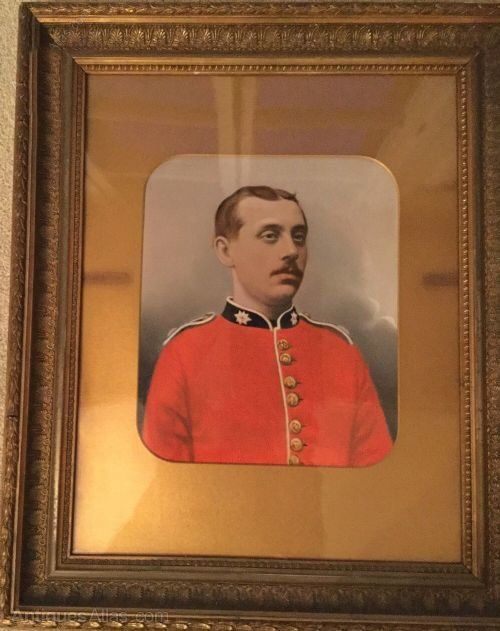


Antique British Army Painting
These antique british army painting works capture centuries of military service through intimate portraiture and historic campaign records.
Antique British Army Painting
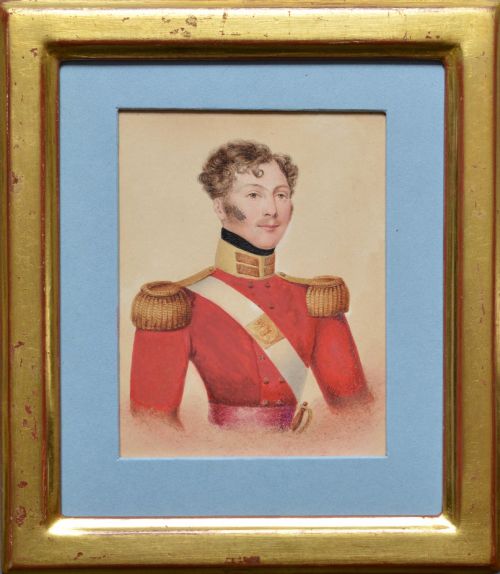
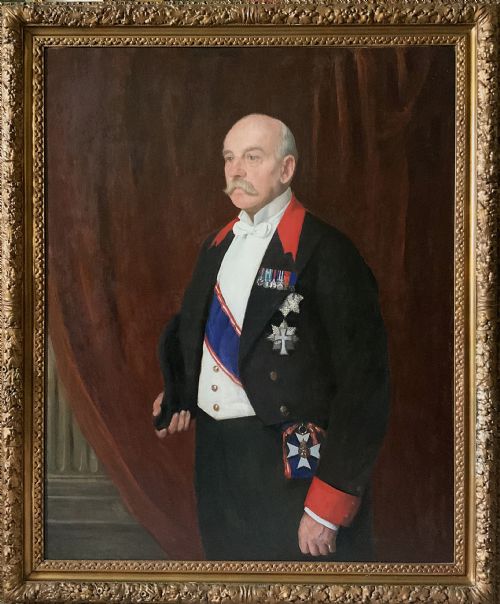
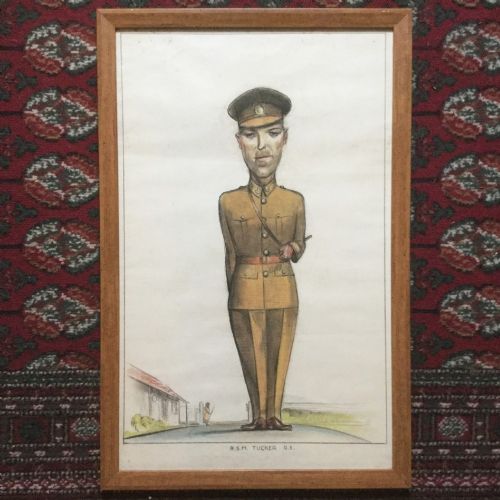
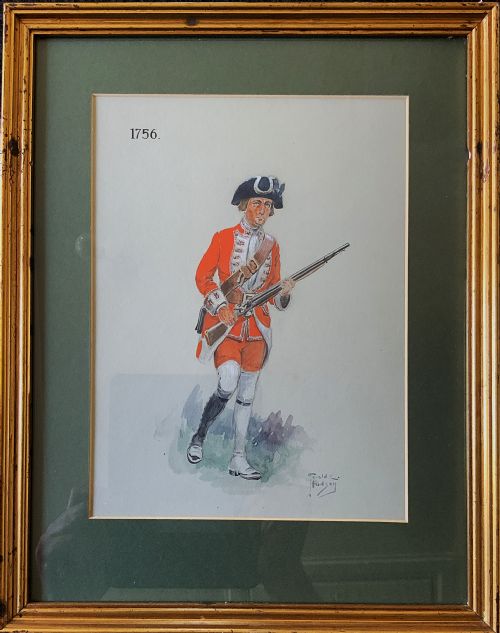
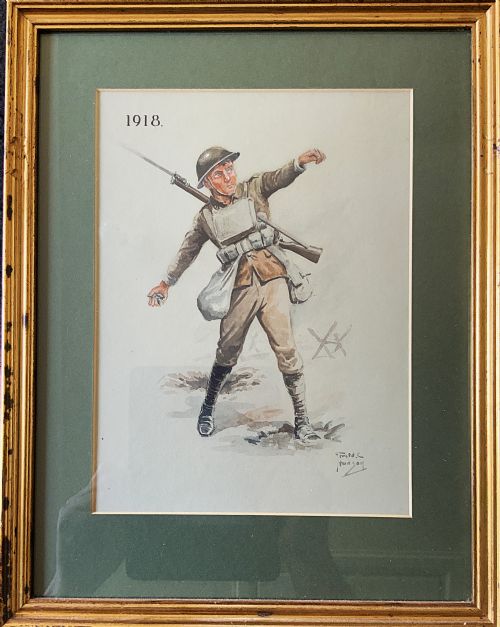
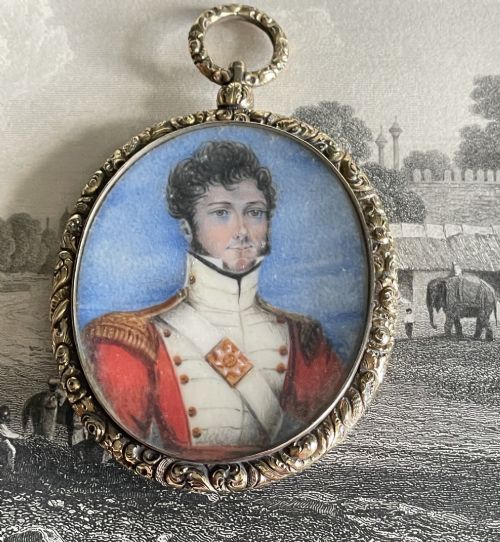
When you search for an antique british army painting, you are looking at historical depictions of military personnel, regiments, and campaigns. The pieces on this page span from the eighteenth century through the mid-twentieth century, capturing officers, guardsmen, and soldiers in varied settings.
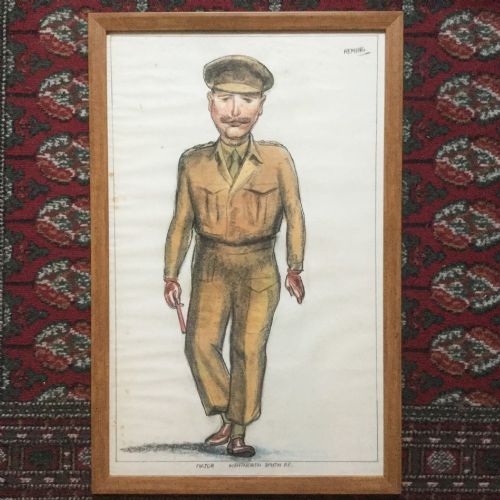
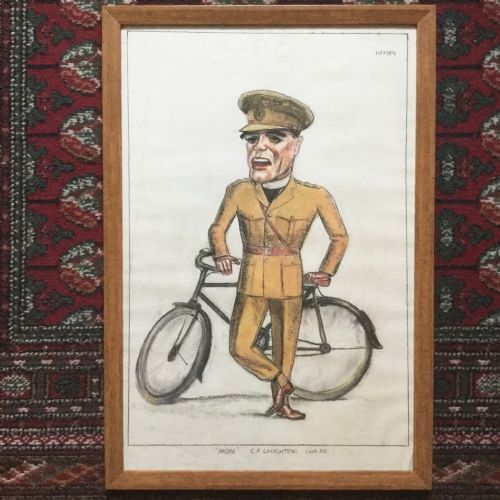
You are most likely to meet nineteenth-century portraits and wartime illustrative sketches rendered in watercolour, oil on canvas, or pastel. These works document individual service records, regimental uniforms, and commanding figures from British military history.
Materials and techniques
Artists utilised oil on canvas and wood panels for formal commanding officer portraits, applying rich pigments to achieve depth in red coats and regimental regalia. Frames often incorporated gilt wood to complement the scale of the canvas.
Works on paper rely on watercolour, gouache, and pastel mediums, frequently combined with wash techniques for finer detail. Sketch portraits from later periods utilise these same responsive mediums on paper to record subjects quickly.
Listings include works from the eighteenth, nineteenth, and twentieth centuries, executed in oil, watercolour, pastel, and gouache.
What varies in quality
The distinction between standard regimental records and masterworks rests in the precision of the uniform details and the psychological depth of the sitter. Skilled portraitists captured the distinct insignia, lace, and facial character with greater economy of line.
Condition of the medium and the preservation of the paper or canvas surface dictate the integrity of the piece. Works retaining their original gilt wood frames and clear artist attribution hold higher visual and historical coherence.
Francis Russell Flint·Frederick Henry Howard Harris·Henry Hoppner Meyer·Ruth Cecil Latter·Sir Richard Westmacott
The Antique British Army Painting Glossary
- Gouache
- An opaque watercolour medium consisting of pigment mixed with a water-binding agent and white filler. It provides solid, flat areas of colour in illustrative wartime sketches.
- Watercolour
- A painting method in which the paints are made of pigments suspended in a water-soluble vehicle. This technique allows for transparent washes on paper.
- Pastel
- A dry art medium in the form of a stick, consisting of pure powdered pigment and a binder. It appears frequently in twentieth-century military sketch portraits.
- Oil on canvas
- Pigments bound in a drying oil applied to stretched fabric. This traditional combination supports the durable surface required for large military portraits.
Antique British Army Painting: Frequently Asked Questions
What periods do these paintings cover?
The selection spans from the eighteenth century through the Victorian era up to the mid-twentieth century.
Works range from early Georgian officer studies to wartime illustrations from nineteen-forty.
How were these military portraits used?
Officers and regiments commissioned formal oil paintings to document military rank and service history.
Smaller watercolours and pastel sketches served as personal records or preparatory drawings for larger compositions.
How do I identify the regiment?
Artists often recorded specific uniform details, coloured facings, and cap badges within the composition.
Inscriptions on the mount or canvas frequently name the sitter, regiment, and date.
How should I frame these works?
Works on paper require conservation mounting behind glass to protect watercolour and pastel surfaces from humidity.
Oil paintings on canvas are best housed in period wood or gilt frames that support the expansion of the fabric.