




Equestrian Military Artwork
Equestrian military artwork brings horse and soldier together on canvas, paper and porcelain, capturing historic campaigns and mounted regiments for collectors of period history.
Equestrian Military Artwork
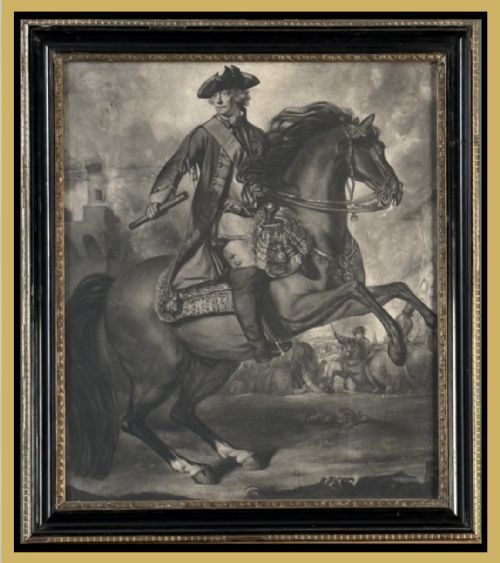
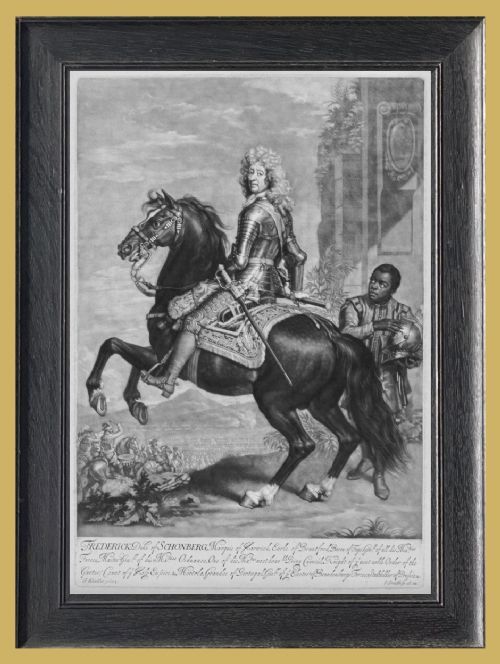
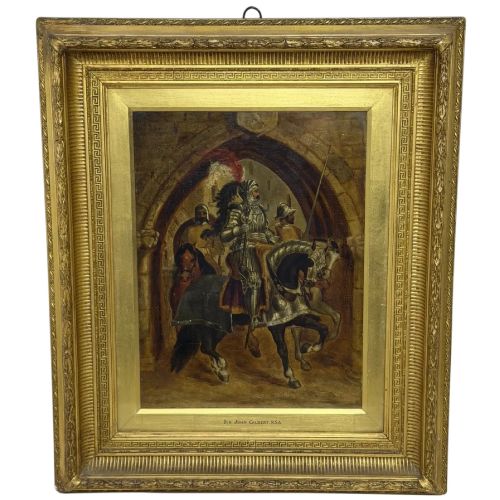
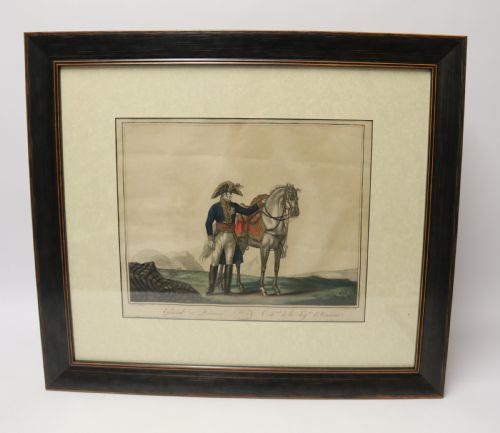
Equestrian military artwork encompasses oil paintings, watercolours, mezzotints, prints and wall plaques depicting cavalry scenes, mounted officers and historical engagements. These pieces span several centuries, with representation from the seventeenth, eighteenth and nineteenth centuries alongside twentieth-century works.
Buyers encounter portraits of named commanders alongside depictions of cavalry skirmishes, battle scenes and military processions. The selection includes framed prints and original watercolours by various European and British schools.
The subjects range from specific historical figures and their chargers to anonymous troopers in action. Works extend from early portraiture to Victorian genre and mid-century realism.
The measure of quality
Quality rests upon the skill of the draughtsmanship and the fidelity of the anatomical rendering of both horses and riders. Superior works display dynamic movement and accurate uniform details that convey the tension of the scene.
Condition of the canvas, paper or porcelain surface dictates the integrity of the piece. Strong provenance, attributable artists and well-preserved frames elevate individual examples within the tradition.
Equestrian Military Artwork Retail Price Guide 2026
Typical asking prices for equestrian military artwork among the pieces listed under this phrase on Sellingantiques today, from the lower quarter to the upper quarter. They describe what is for sale here now, not the wider market.
Horses in these battle scenes often hold expressions of stoic determination that rival the human commanders on their backs.
Edward Fisher·John Smith·Sir John Gilbert·Jean Sobieski·Gilbert Scott Wright·Thomas Mackay·Snaffles·Albert Ferdinand Le Dru·George Cattermole·Philips Wouwerman·William Edward Millner·Harry Ashby
The Equestrian Military Artwork Glossary
- Mezzotint
- A printmaking process of the intaglio family where the plate is roughened to achieve rich tonal gradations. This technique allows for subtle shifts in light and shadow particularly suited to portraiture.
- Cavalry skirmish
- A minor engagement between mounted troops depicted frequently in seventeenth- and eighteenth-century European painting. These compositions emphasise horses in motion and tactical melee.
- Gilt wood
- Wood coated with gold leaf or a gold-coloured metallic finish used for picture frames. It adds decorative splendour and complements the subjects depicted.
- Watercolour
- A paint medium where colour pigments are suspended in a water-based solution on paper. Artists utilised this for detailed sketches and finished battle scenes.
- Wall plaque
- A decorative object designed for hanging, created here in porcelain during the twentieth century. It provides a ceramic surface for military imagery.
Equestrian Military Artwork: Frequently Asked Questions
What periods do these pieces date from?
The selection includes works originating from the seventeenth, eighteenth, and nineteenth centuries, alongside items from the twentieth century up to the nineteen-forties.
Individual pieces reflect the artistic conventions of their respective eras, from baroque portraits to Victorian narrative scenes.
How should I care for framed paper artwork?
Paper and watercolours require protection from direct sunlight to prevent fading of the pigments and discolouration of the paper support. Maintaining stable humidity levels prevents warping or foxing over time.
Displaying pieces away from direct heat sources helps preserve both the artwork and the accompanying frame.
What subjects are most common?
Common subjects include portraits of military officers mounted on chargers, battle scenes, cavalry skirmishes, and procession milestones. Figures range from named commanders to anonymous troopers in action.
Artists recorded both specific historical campaigns and general regimental life across various European schools.
Are these works original?
The category comprises original oil paintings, hand-coloured watercolours, pen and ink drawings, and period print editions such as mezzotints. Each medium follows traditional historic production methods appropriate to its date.
Signatures, inscriptions, and framing often provide context regarding the origin of each piece.