


Canvas Military Portrait
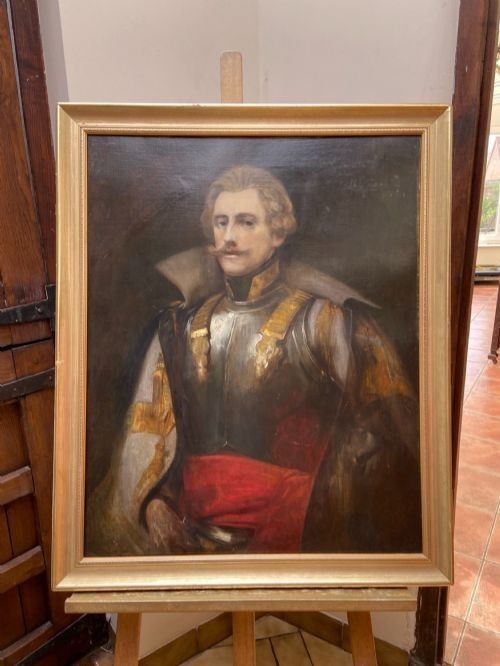
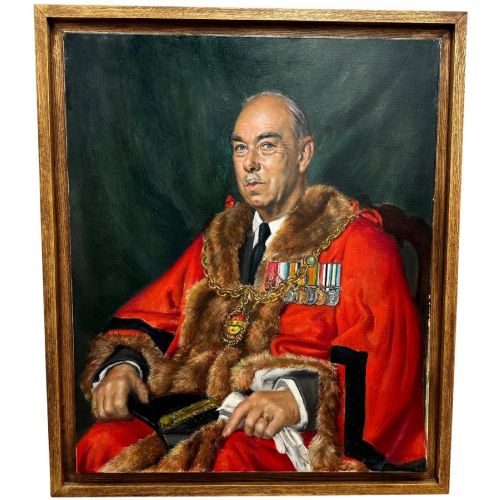
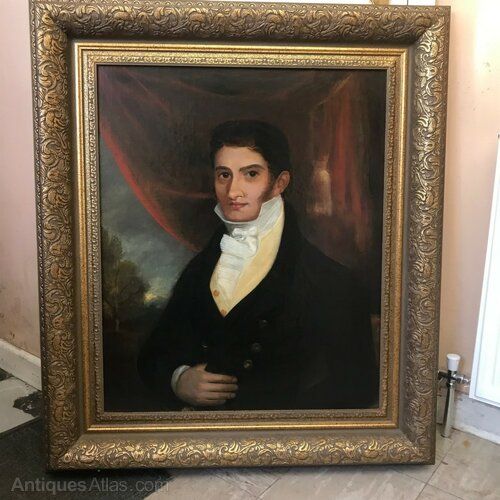
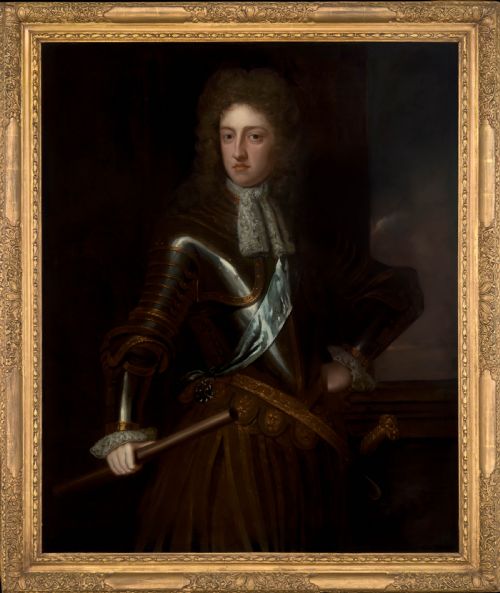
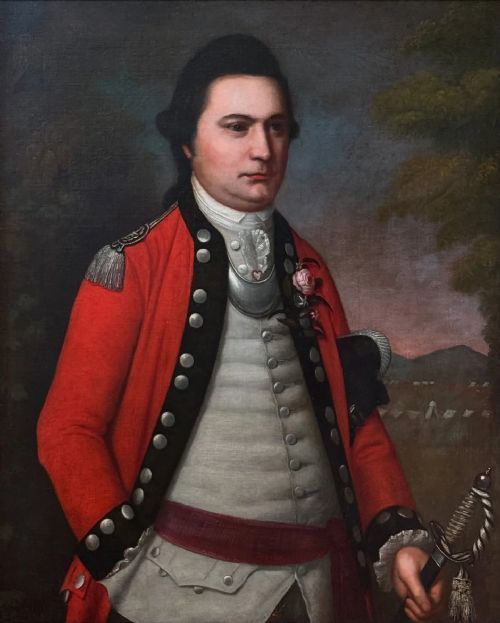
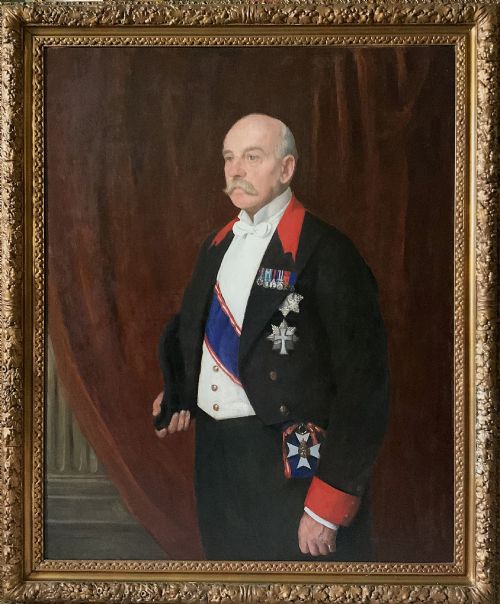
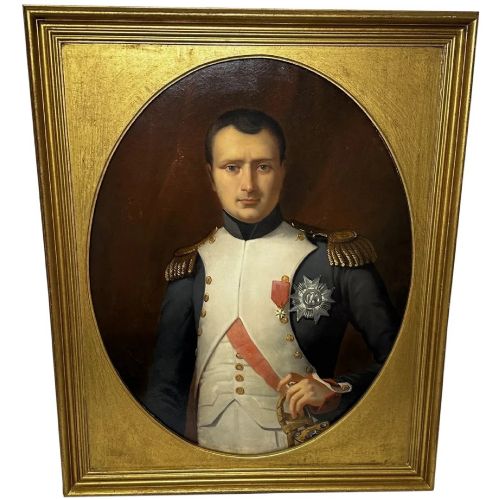
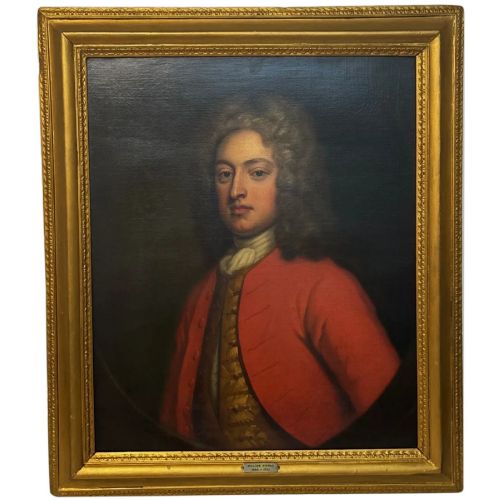
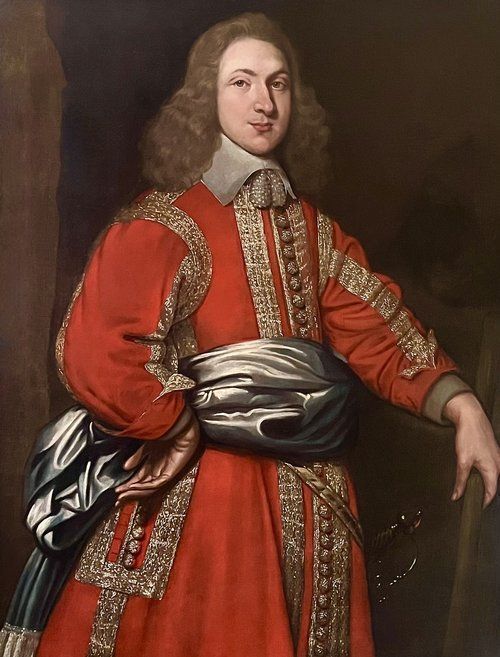
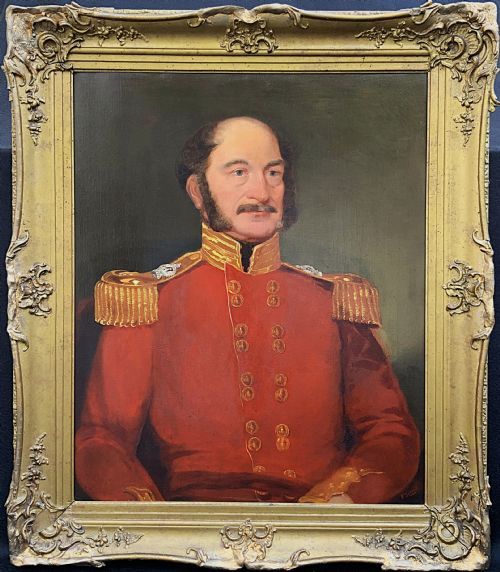
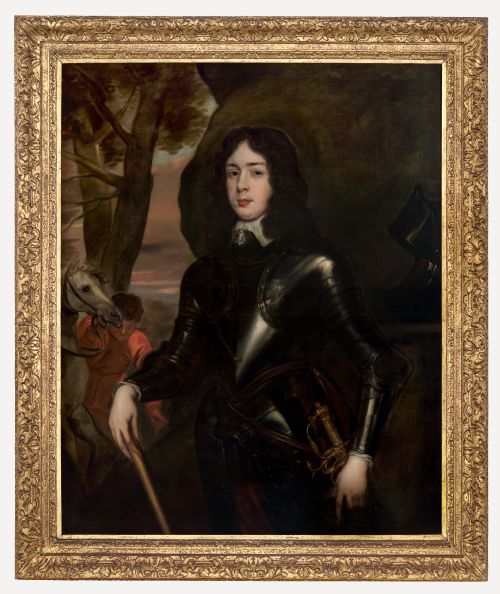
A canvas military portrait records an officer, general or soldier in oil, ranging from seventeenth-century armour to twentieth-century uniform.
Canvas Military Portrait
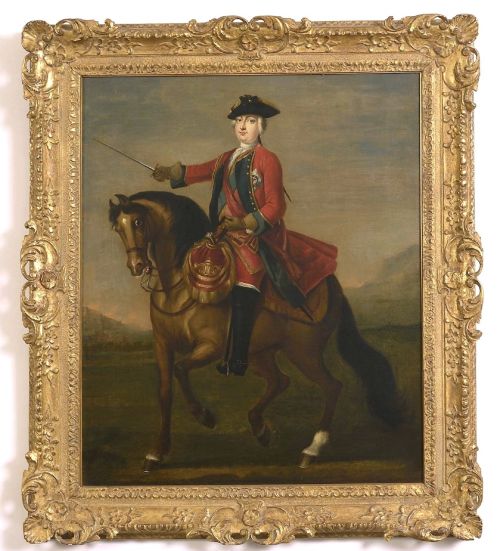
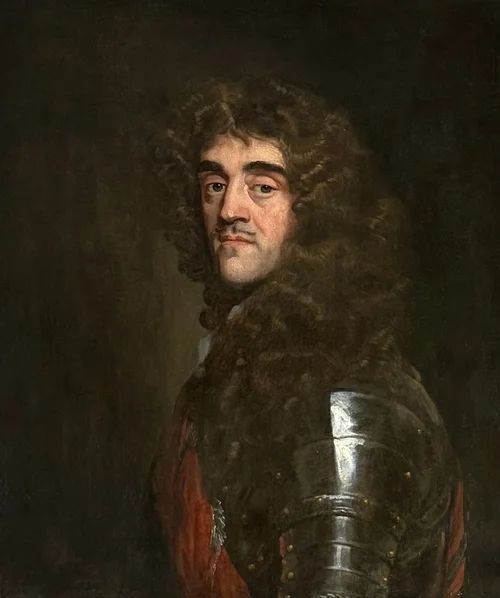
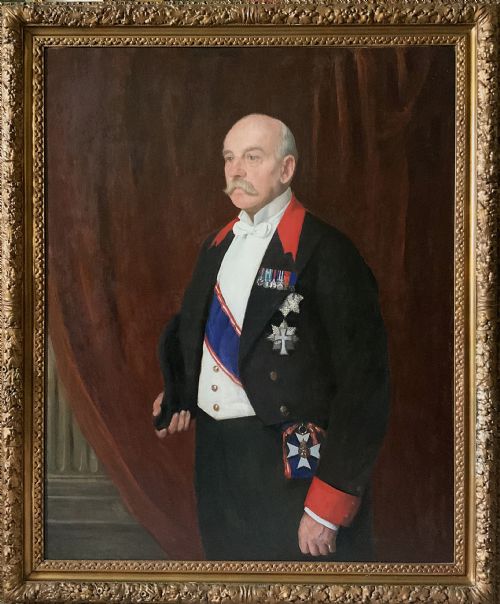
A canvas military portrait depicts identifiable commanders, naval captains, cavalrymen and infantry officers across several centuries of service. The selections on this page span the seventeenth, eighteenth and nineteenth centuries alongside later twentieth-century works.
The subjects appear in full regalia, wearing red coats, full suits of armour, ceremonial tunics or service dress. Many pieces record specific historical figures, regiments and campaigns, from the Napoleonic Wars to the First World War.
Framing often includes original or period giltwood and gold leaf frames that complement the scale of the oil paintings. Forms range from intimate half-length studies to monumental compositions featuring horses and fortresses.
How they were made
These works are executed in oil paint on woven canvas supports, utilising traditional priming and layering techniques developed across the Baroque, Georgian and Victorian periods. Artists built depth through translucent glazes for flesh tones and heavier impasto for uniforms, sashes and metallic armour.
Many canvases are housed within wooden frames finished with gold leaf or giltwood, often bearing the marks of period gilding practices. The physical structure relies on stretched canvas pinned or tacked to wooden strainer frames.
Canvas Military Portrait Retail Price Guide 2026
Typical asking prices for canvas military portrait among the pieces listed under this phrase on Sellingantiques today, from the lower quarter to the upper quarter. They describe what is for sale here now, not the wider market.
Several officers face left while others face right, a deliberate composition choice for pairing portraits.
What varies in quality
Quality rests upon the demonstrable skill of the brushwork in rendering facial expression, fabric texture and the glint of steel armour. Works from established studios or named artists display superior anatomical precision and handling of light.
Condition plays a central role, distinguishing untouched original surfaces from those compromised by heavy restoration or relining. The integrity of the original canvas and the preservation of the underlying pigment layers dictate the desirability of each piece.
Bernard Hailstone·Sir Godfrey Kneller·Stickland Lowry·John Greenhill·Sir Anthony van Dyck·Nicolas De Largillière·Ernest Crofts·Sir Thomas Lawrence·Francis Russell Flint
The Canvas Military Portrait Glossary
- Oil on Canvas
- Pigments suspended in a drying oil medium applied to a woven fabric support. This combination allowed artists to achieve rich colour saturation and subtle tonal shifts.
- Giltwood
- Wood carved and coated with gold leaf or gold paint to create an ornamental frame. It provides a reflective border that enhances the warmth of the oil painting within.
- Armour
- Protective steel plates worn by military officers in seventeenth-century portraiture. It denoted status, lineage and martial readiness.
- Red Coat
- The distinctive scarlet military tunic worn by British land forces across the eighteenth and nineteenth centuries. It serves as a strong visual anchor in period portraiture.
- Impasto
- Paint applied thickly to a canvas, standing out from the surface. Artists utilised this technique to catch light on gold braid, medals and uniform buttons.
Canvas Military Portrait: Frequently Asked Questions
How do I identify the regiment?
Look closely at the uniform details, including lapel colours, facings, buttons, collar insignia and medals. Many portraits record specific units such as the Scots Greys or local militia regiments.
Inscriptions on the canvas, stretcher or accompanying plaques frequently name the sitter and their military posting.
What periods do these portraits cover?
The listings span from the seventeenth century through the Georgian and Victorian eras into the twentieth century. Early examples often feature subjects in armour, while nineteenth and twentieth-century works display contemporary service dress.
Stylistic shifts reflect the transition from Baroque and Realist conventions to twentieth-century portraiture.
How should I hang an oil portrait?
Select a wall with stable humidity and temperature away from direct sunlight to protect the oil paint and canvas. Ensure the wall fixings match the weight of the painting and its heavy giltwood frame.
Position the centre of the canvas at eye level for optimal viewing.
Are these works original or copies?
The selection includes both primary life sittings and period studio repetitions or copies after major artists. Examination of the canvas weave, stretcher construction and pigment age helps determine the date of execution.