



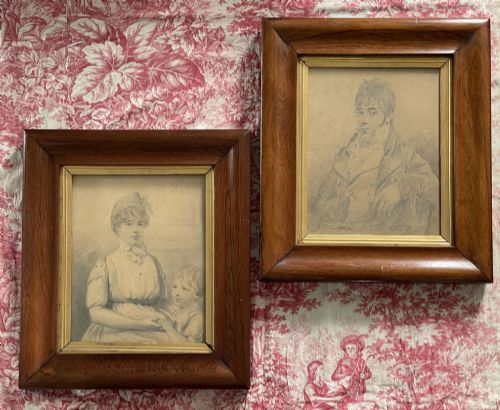
Georgian Era Portrait
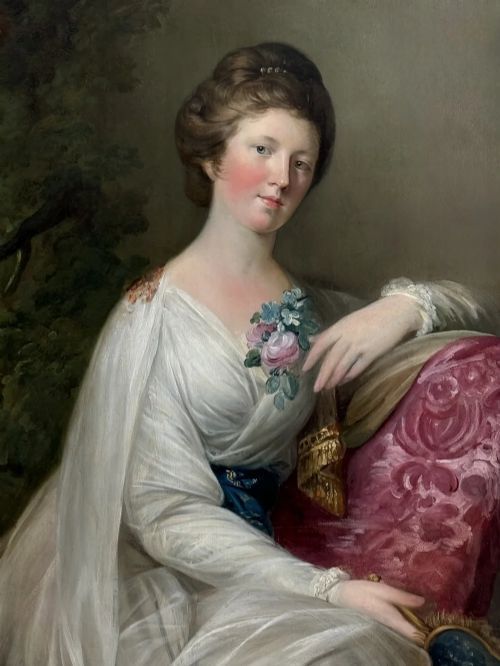
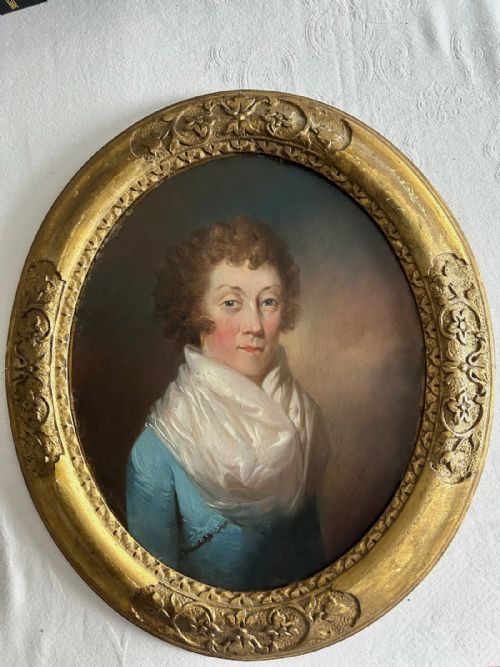
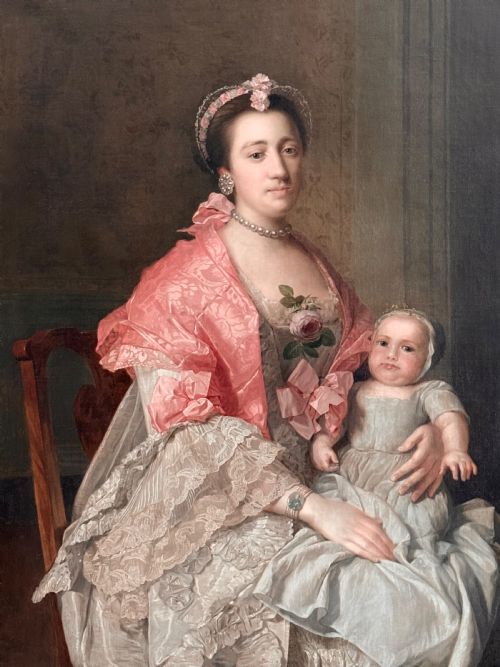
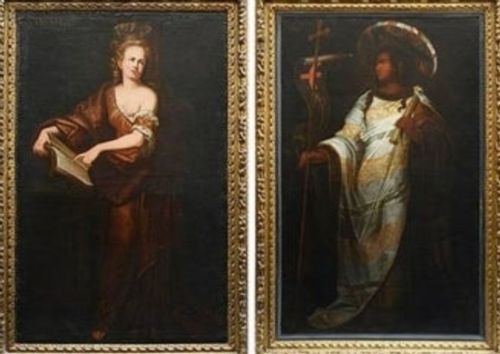
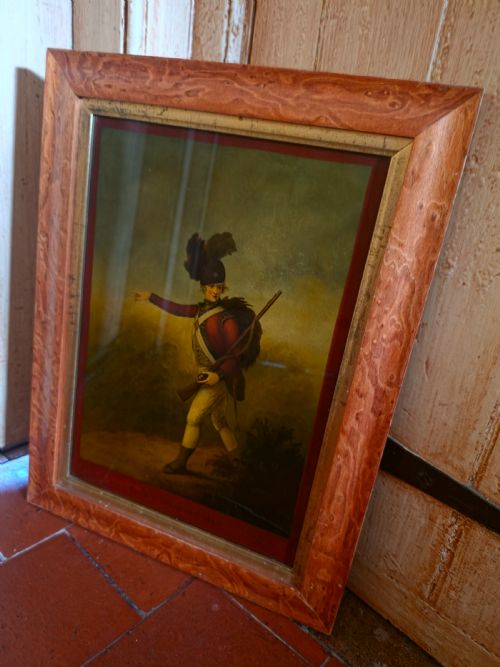
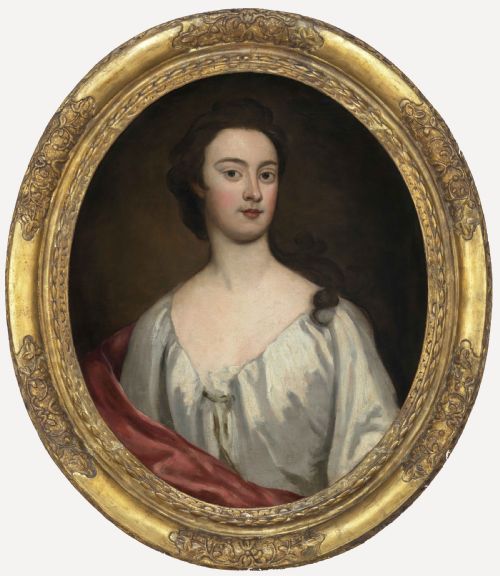
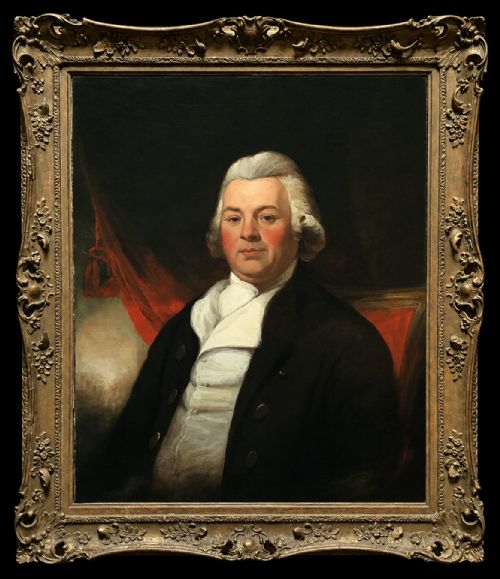
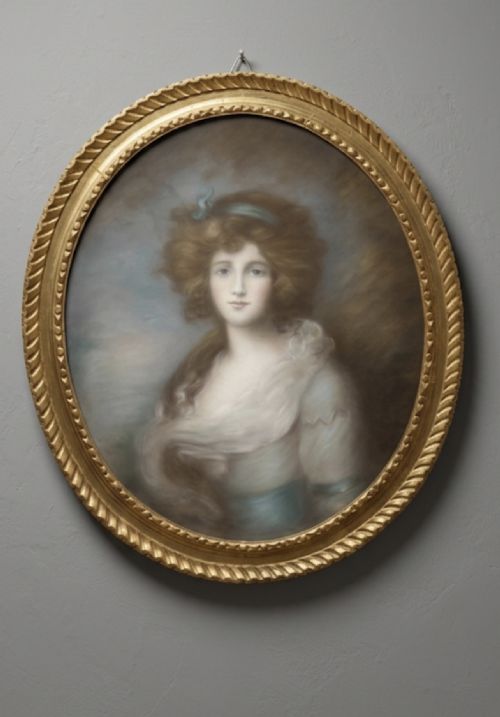
A georgian era portrait captures the likenesses of individuals from the eighteenth and early nineteenth centuries in various media.
Georgian Era Portrait
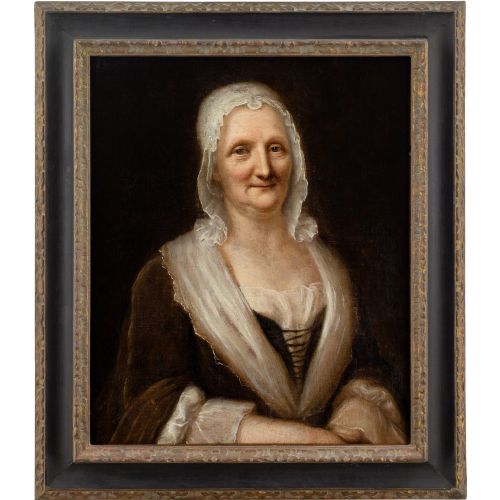
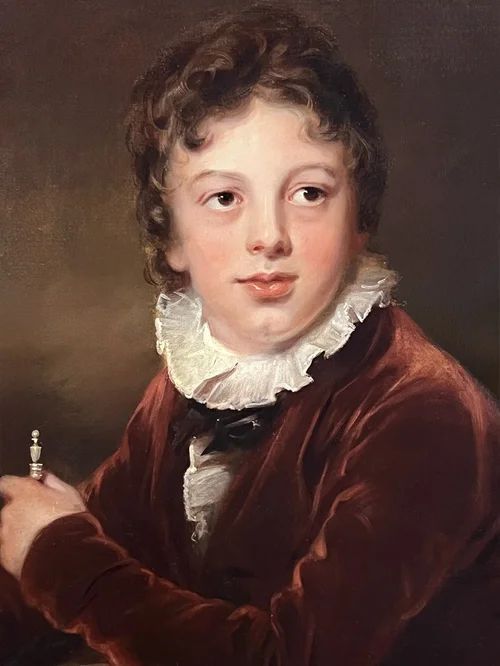
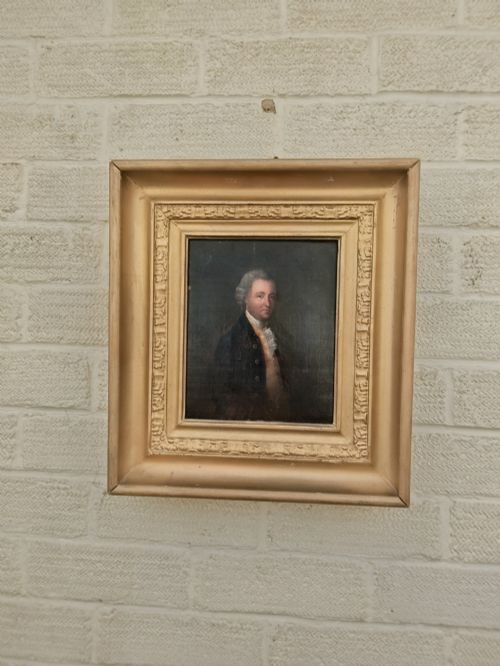
A georgian era portrait encompasses works produced across the eighteenth and nineteenth centuries, including the Regency period. Buyers encounter oil paintings on canvas and copper, alongside works on paper executed in graphite, charcoal, pastel, gouache, and watercolour.
Subjects range from individual gentlemen and ladies to children, sibling pairs, military officers, and naval figures, frequently presented in carved or gilded frames. Examples span English, French, German, Austrian, and Scottish schools, capturing notable sitters as well as anonymous sitters.
Many works relate to broader artistic traditions, featuring studio pieces, copies after masters such as Leonardo da Vinci or Sir Joshua Reynolds, and miniature formats set with seed pearls.
Materials and execution
Oil paint applied to canvas remains a primary medium, often utilising wood stretchers and complemented by frames fashioned from giltwood, gilt wood, and carved Florentine timber.
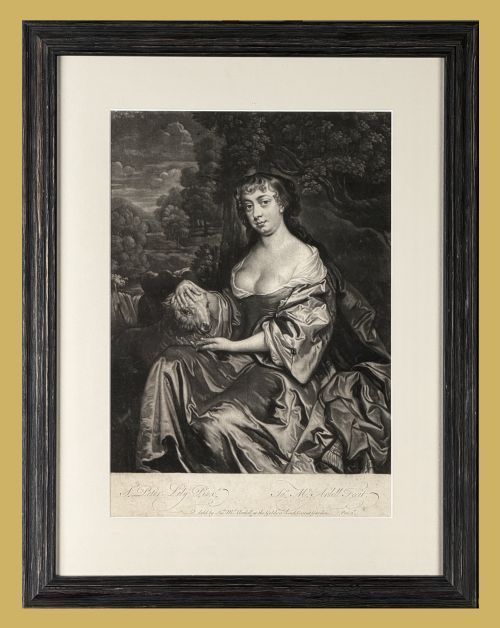
Works on paper employ graphite, charcoal, pastel, gouache, and watercolour techniques, while specialist variants include reverse glass pictures and mezzotint prints.
Georgian Era Portrait Retail Price Guide 2026
Typical asking prices for georgian era portrait among the pieces listed under this phrase on Sellingantiques today, from the lower quarter to the upper quarter. They describe what is for sale here now, not the wider market.
Samuel Raven paints a canine subject titled Lady and Her Litter circa 1800.
Distinctions in quality
The standard of a georgian era portrait depends on the precision of the draughtsmanship and the handling of pigment, distinguishing professional studio output from lesser academic copies.
The integrity of the original support, the preservation of the surface pigment or paper medium, and the retention of period framing contribute significantly to the standing of the piece.
SIR WILLIAM BEECHEY R.A·GEORGE WILLISON·SIR ALLAN RAMSAY·MARGARET SARAH CARPENTER·JAMES MACARDELL·SIR PETER LELY·JEREMIAH DAVISON·GEORGE WATSON·THOMAS GAINSBOROUGH·SIR JOSHUA REYNOLDS·ARTHUR WILLIAM DEVIS·SAMUEL RAVEN·SIR THOMAS LAWRENCE·LADY FRANCIS HERBERT
The Georgian Era Portrait Glossary
- Mezzotint
- A printmaking process of the tonal method, allowing smooth gradations of light and shade. This technique was frequently utilised for reproducing famous painted portraits.
- Reverse glass picture
- An image painted or transferred directly onto the back side of a glass panel to be viewed from the front. This delicate technique produces a glossy surface finish.
- Portrait miniature
- A small-scale painting executed with high precision, often housed in a locket or framed with decorative elements such as seed pearls.
- Pastel
- A dry painting medium consisting of powdered pigment and a binder, shaped into a stick. Works executed in this material require glass protection to prevent smudging.
- Giltwood
- Wood carved and treated with a thin layer of gold leaf or gilt. It provides ornate framing for many formal paintings of the period.
Georgian Era Portrait: Frequently Asked Questions
What periods do these portraits cover?
These works span the eighteenth and nineteenth centuries, incorporating specific movements such as the Regency period and the Georgian era.
Dates stretch from the early 1700s through to the decades following 1800, reflecting changing aesthetic preferences across European schools.
How were these portraits displayed?
Original owners hung framed canvases on domestic walls or kept delicate works on paper, such as pencil sketches and watercolours, within private rooms.
Miniatures and reverse glass pictures were often positioned on tables or smaller wall spaces where viewers could inspect the fine detail closely.
Are all sitters identified?
Many listings record the specific names of individuals, such as military officers, nobility, or children, often accompanied by biographical dates.
Other works depict anonymous sitters or represent historical and literary figures produced by contemporary schools.
What media besides oil are common?
Artists utilised paper, canvas, copper, and glass as surfaces for their compositions.
Drawing and painting media include graphite, charcoal, pastel, gouache, watercolour, and ink alongside printed mezzotints.