
17th Century Gentleman Portrait
A 17th century gentleman portrait captures the commanding presence and distinct fashion of an earlier era through oil on canvas.
17th Century Gentleman Portrait
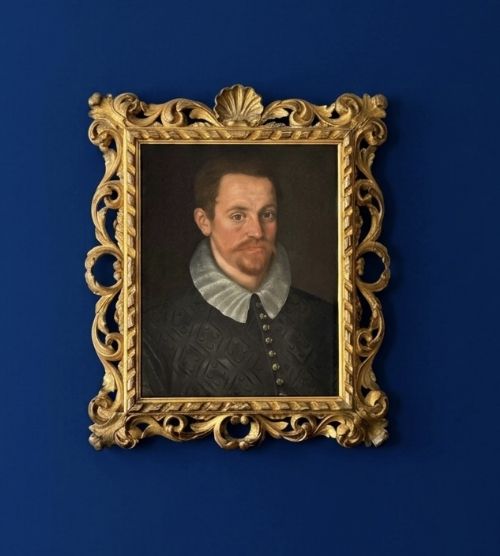
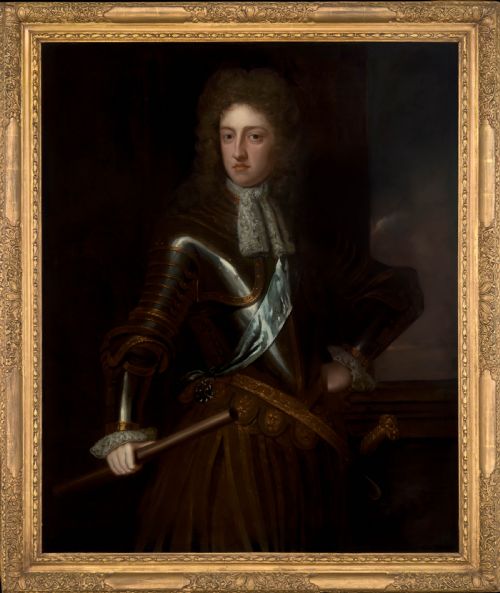
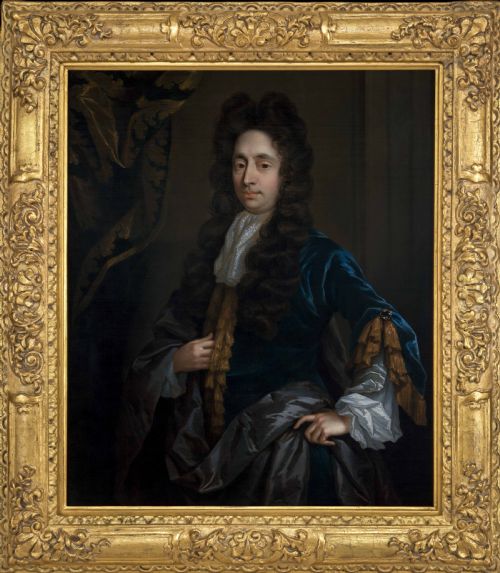
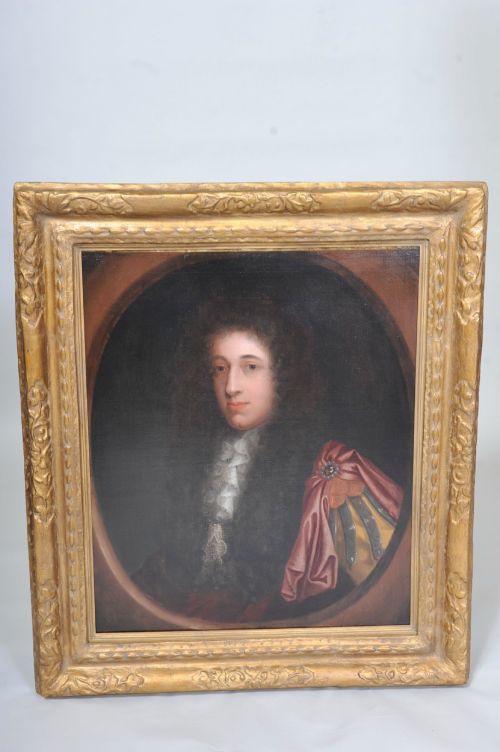
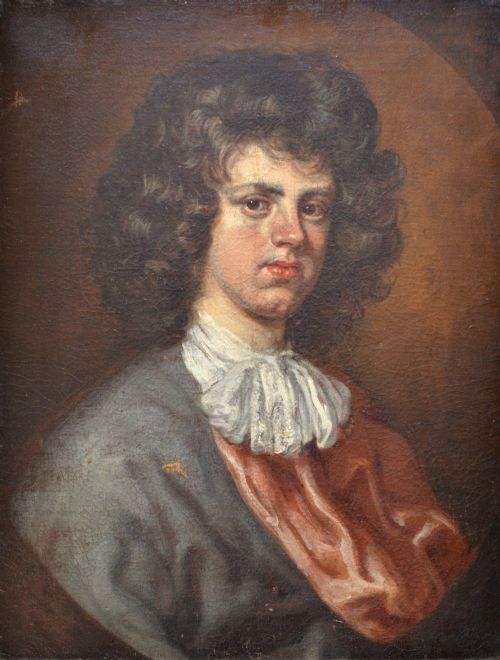
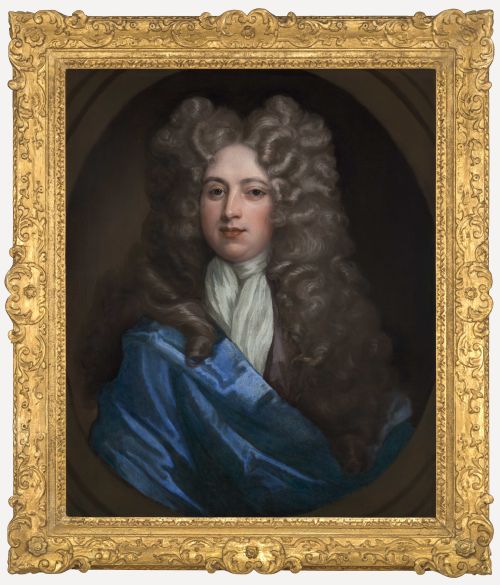
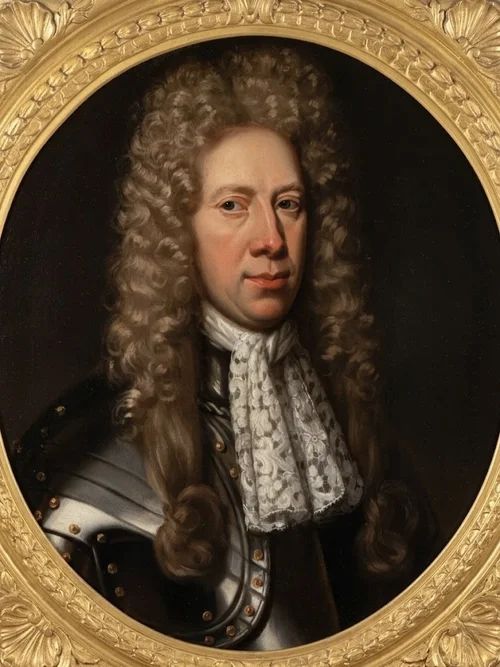
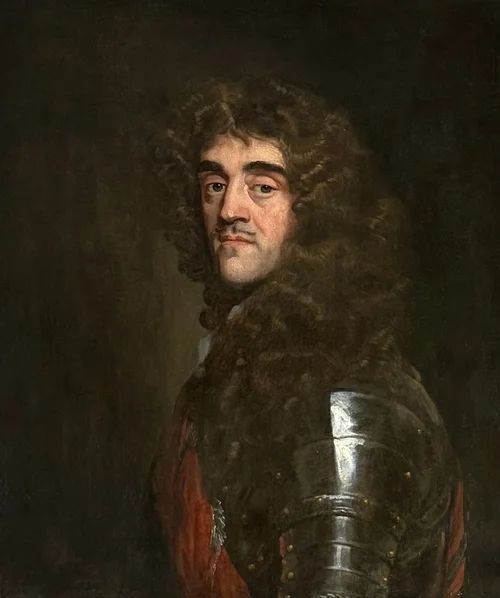
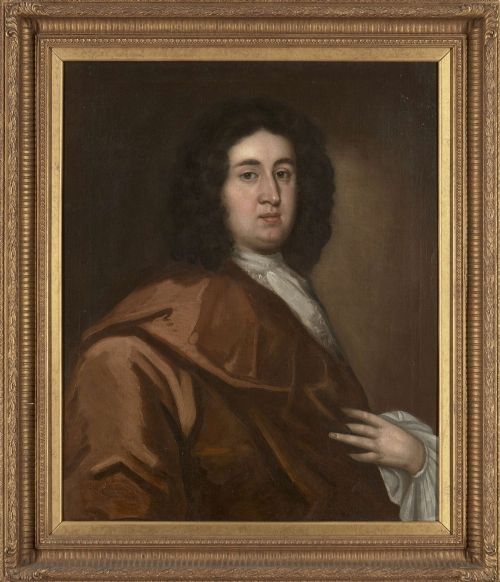
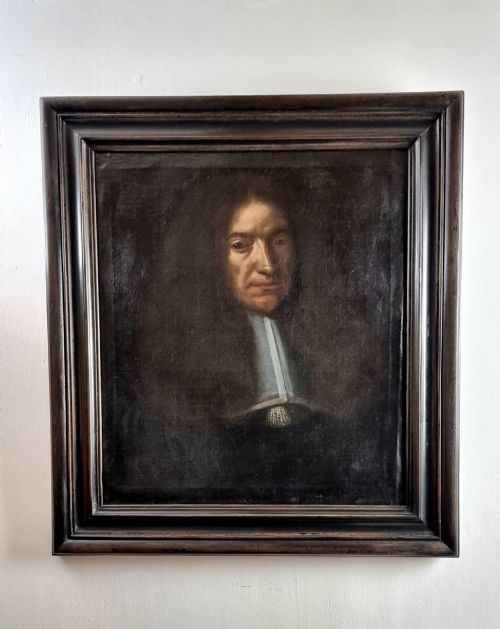
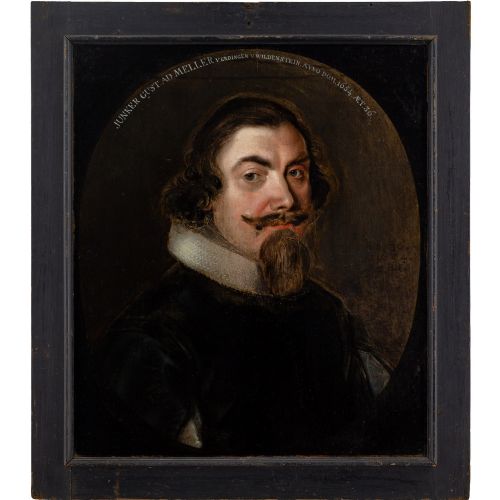
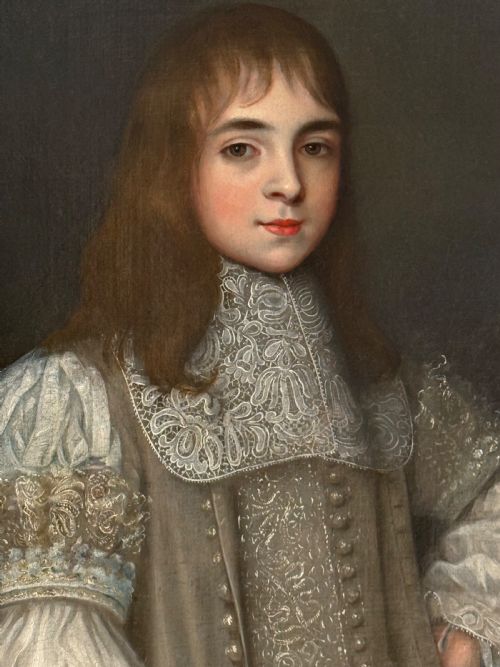
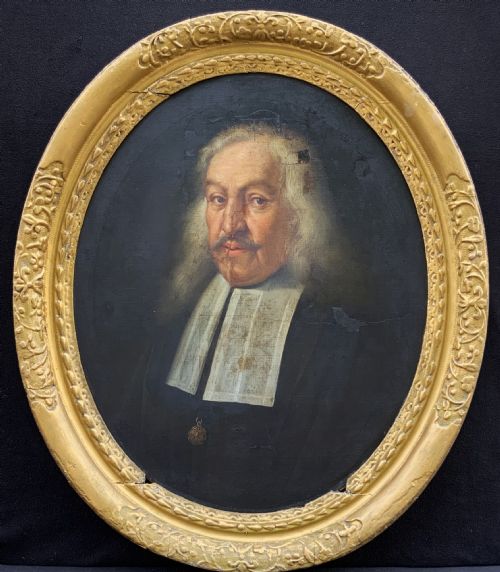
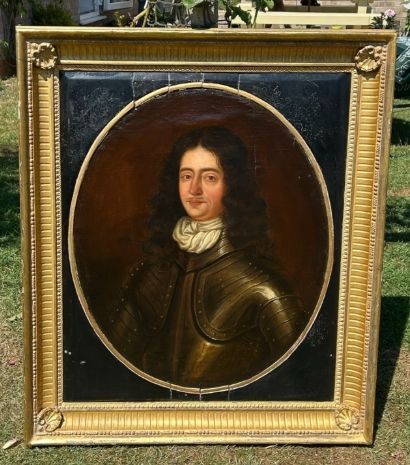
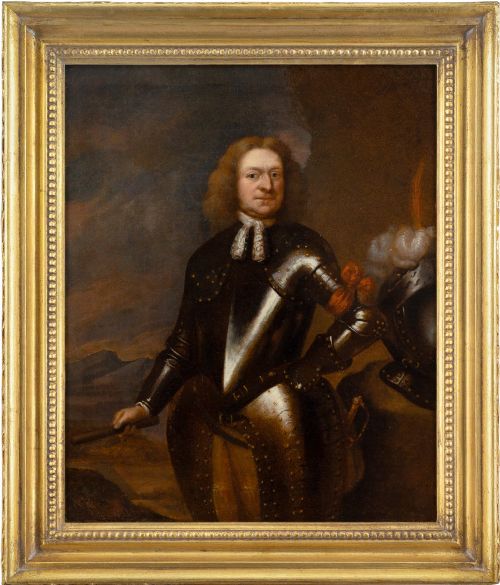
A 17th century gentleman portrait typically depicts figures of standing, from English judges and military officers to Dutch merchants and European nobility. These works capture subjects wearing period dress such as dark embroidered doublets, white ruffs, periwigs, and armour.
The selections available include pieces originating from English, Dutch, Flemish, German, and French schools. Buyers will encounter works ranging from direct studio creations to pieces produced within the circle of notable painters or by regional schools.
How They Were Made
Artists painted primarily using oil on canvas, applying pigment to stretched fabric to build deep tones and rich textures for fabrics like velvet and silk. Some examples utilise wood panels as a base for the oil paint.
Framing often involves original giltwood or gilded wood frames enhanced with gold leaf, which complemented the dark and dramatic palettes characteristic of Baroque painting.
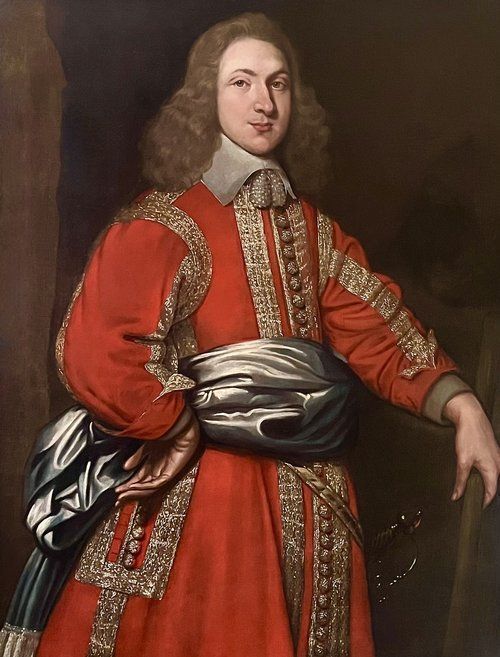
Certain military officers gaze out from these canvases wearing striking red coats and elaborate sashes designed to intimidate rivals.
What Varies in Quality
The treatment of costume detail, such as the lace on a ruff or the sheen on a velvet coat, demonstrates the technical mastery of the artist or studio involved.
Sir Godfrey Kneller·Constantyn Netscher·Thomas Murray·John Scougall·John Greenhill·John Closterman·John Michael Wright·Pieter Borseler·Hyacinthe Rigaud·Mary Beale·John Riley·Willem Wissing·Samuel Cooper·Michiel van Mierevelt·Theodore Roussel·Bartholomeus Van Der Helst·Joseph Vivien·William Dobson
The 17th Century Gentleman Portrait Glossary
- Doublet
- A close-fitting man's jacket worn during the Renaissance and 17th century. It frequently featured rich embroidery and elaborate buttons.
- Periwig
- A voluminous artificial wig worn by men of status from the mid-17th century onwards. These hairpieces indicated high social rank and fashion.
- Baroque
- A style of European art spanning the 17th and early 18th centuries characterised by movement, drama, and deep chiaroscuro lighting. It emphasises grand presence and rich textures.
- Ruff
- A prominent, fluted starched collar worn around the neck in the late 16th and early 17th centuries. It frames the subject's face in formal portraiture.
17th Century Gentleman Portrait: Frequently Asked Questions
How do I identify a 17th century gentleman portrait?
Examination of clothing, such as doublets, ruffs, or large periwigs, provides the primary indicator of the period. Style markers aligning with Baroque conventions also help date the canvas.
Studying the handling of the oil paint and the attribution to specific European schools further confirms the era.
Where were these portraits displayed originally?
Subjects hung these large canvases in the panelled rooms of country houses, town residences, and institutional headquarters. They projected family lineage, legal authority, or commercial success.
Owners positioned them in reception rooms and halls to impress visitors with their status.
What is the difference between studio work and circle pieces?
Studio works involve the named master and assistants working directly together in a workshop to complete commissions. Circle pieces are painted by artists closely influenced by the master's distinct style.
Both categories reflect the aesthetic standards of major portrait painters of the era.
How should I care for an oil on canvas portrait?
Keep the painting away from direct sunlight and maintain stable indoor humidity levels to protect the canvas and oil paint. Avoid touching the painted surface or any gilded wood frame elements.
Professional conservators should handle any cleaning or structural repairs to the canvas.