
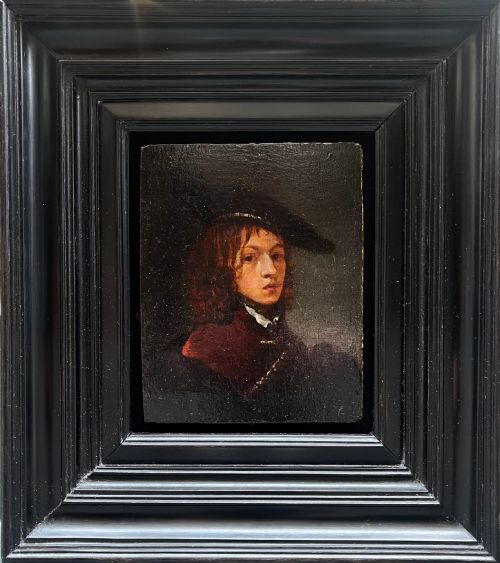


Portrait of Young Man
Every portrait of young man captures a singular gaze across the centuries, offering an intimate encounter with a face from the past.
Portrait of Young Man
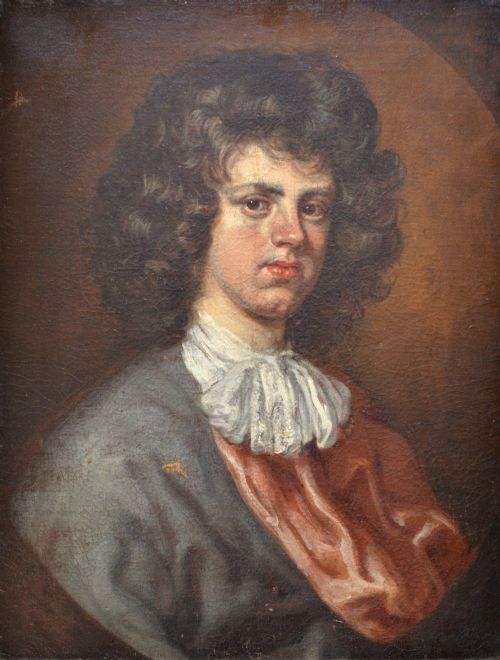
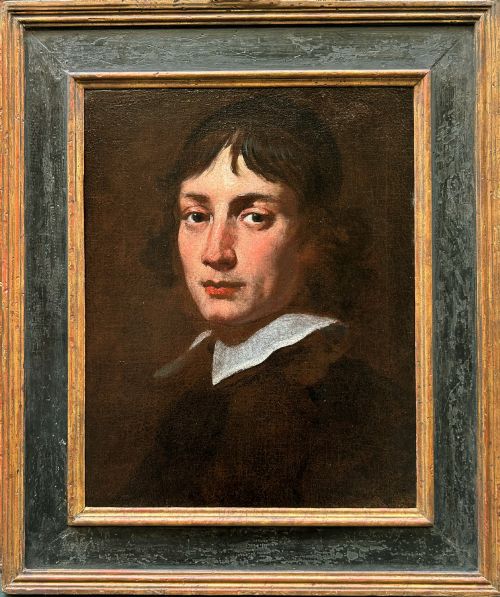
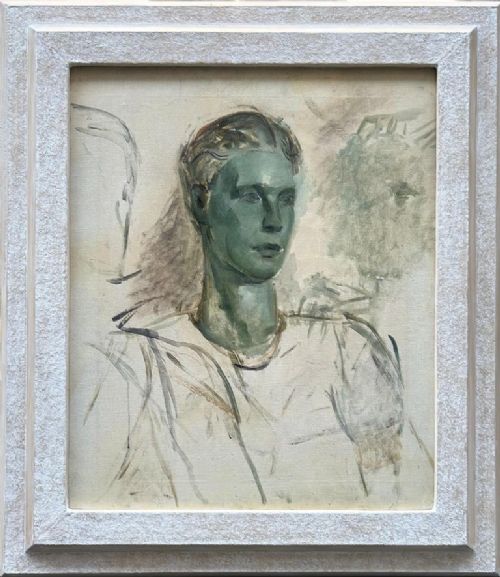
A portrait of young man brings centuries of character into a room, most frequently encountered here as an oil painting on canvas or panel. These works range from seventeenth-century classical studies and Georgian canvases to twentieth-century modernism and mid-century sketches.
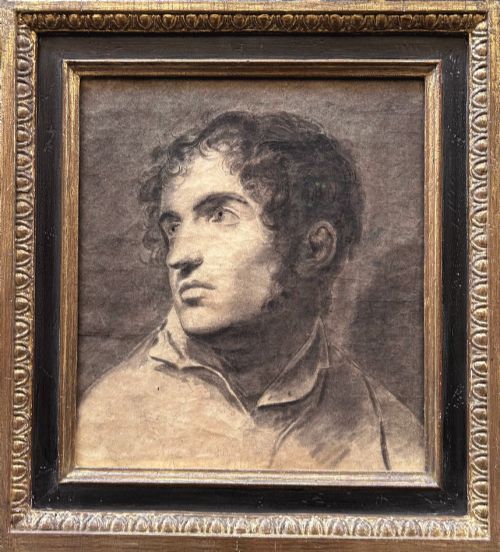
The subjects appear in varied contexts, from formal aristocratic attire to informal charcoal drawings and framed plaster busts. Each piece preserves the distinct personality and fashion of its era through the eyes of diverse European and British schools.
Materials and Technique
Artists relied primarily on oil on canvas or panel, building rich layers of pigment to create depth in skin tones and garments. Frames in giltwood, ebonised wood, or maple often complete the presentation, matching the period aesthetic of the artwork.
Works on paper utilise charcoal, pencil, and pastel for immediate, expressive line work. Plaster and copper provide sculptural and enamel alternatives to traditional flat surfaces.
Judging Quality
Quality rests upon the confidence of the draughtsmanship and the artist's ability to render light across the contours of the face and fabric. Superior pieces display a psychological depth and anatomical precision that elevate the subject beyond a mere record.
The handling of secondary elements, such as hands, clothing, and background atmosphere, distinguishes a master hand from routine studio production.
Mary Beale·Guillaume Courtois·Oilver Messel·Rembrandt·Thomas Beach·Thomas Jones Barker
The Portrait of Young Man Glossary
- Baroque
- A flamboyant seventeenth-century style defined by dramatic lighting, deep shadows, and intense emotional expression. It gives these portraits a theatrical presence.
- Georgian
- The eighteenth-century British aesthetic characterised by elegance, restraint, and naturalistic depiction. Portraits from this era often feature refined clothing and subtle colour palettes.
- Giltwood
- Carved wood treated with a thin layer of gold leaf. This material frequently frames classical and antique paintings.
- Ebonised wood
- Timber stained or painted to imitate dense, black ebony. It provides a stark, dark contrast that highlights the tones within a canvas.
- Circle of
- A designation indicating the artist worked in the style of a master during the same period, often closely associated with their studio.
Portrait of Young Man: Frequently Asked Questions
How do I date a portrait of young man?
Dating relies heavily on the style of clothing, hair, and facial hair visible in the subject. Costume historians can place a canvas within a specific decade simply by examining a collar or doublet.
The framing materials and canvas preparation methods also offer vital clues to the age of the work.
What is the difference between an oil painting and a drawing?
Oil paintings utilise suspended pigments in drying oils on stretched canvas or wooden panels, allowing for rich blending and deep tones. Drawings rely on dry mediums like charcoal, pencil, or pastel on paper.
Drawings often capture a more immediate, intimate study of the sitter compared to finished oils.
How should I hang and light these portraits?
These works benefit from steady interior placement away from direct sunlight to protect vulnerable pigments and paper. Picture lights mounted above the frame enhance the depth of oil glazes.
Maintain stable humidity levels to preserve both canvas integrity and antique wooden frames.
Are unsigned portraits still valuable?
Unsigned works frequently represent skilled regional schools or workshop productions rather than famous hands. The strength of the brushwork and the presence of period materials determine the merit of an unsigned piece.
Attributions are often made by comparing the technique to documented works of the same era.